Demolishing our 100-year-old chicken coop

The idea to demolish the chicken coop was laid (see what I did there?) when I was writing my 2022 Home Goals mid-year report last summer. Usually, I have a list in my mind of what renovations or projects are next. So the coop kind of surprised me when it snuck in. But once it was there, I couldn’t forget it.

So as our last project of 2022, we took down the old coop.

The timing is right for a few reasons. The patio is on the list for 2023. That means there will be equipment here that is capable of removing the foundation for the old coop and levelling the ground.

Also, we’ve been here for 11 years. It’s time to have birds already!

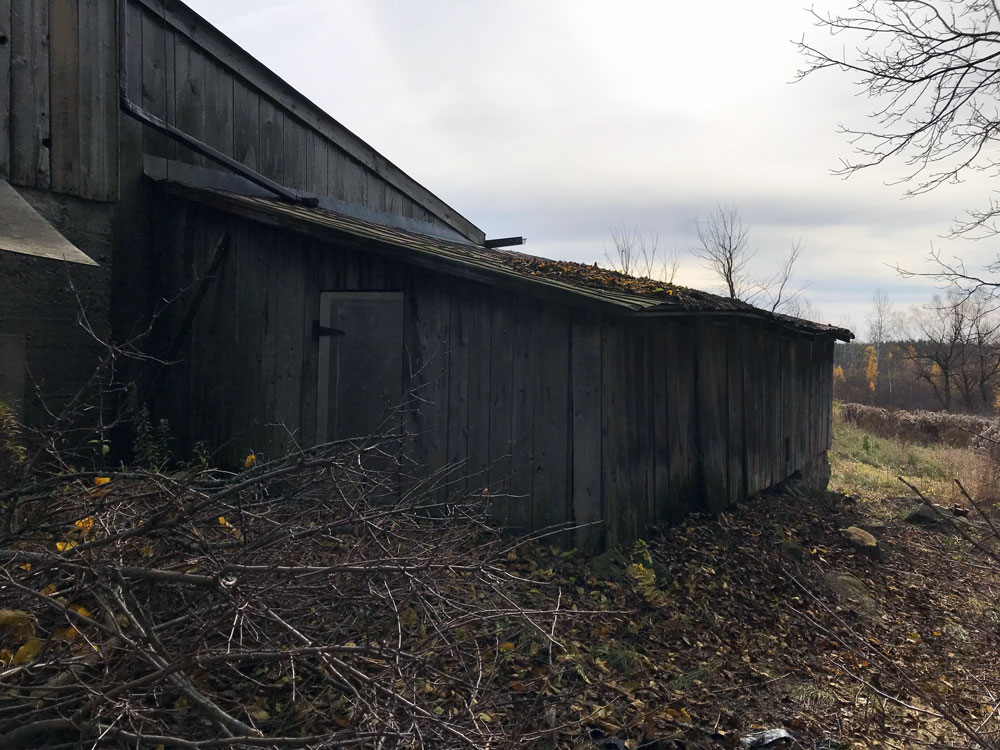
If you need a bit of background, this post gives you an introduction to the old coop. While the coop was a good size, it was run down. Rehabbing it (and mucking it out) was more than I wanted to take on. Plus it wasn’t what I was looking for when I thought about how I would handle our birds. I decided to start fresh.

First step was cutting the trees that had grown up around the coop. Matt’s Dad and nephew came out and gave us a day of work to clear them out of the way. In the process, we learned that the coop was sturdier than it looked. One of the trees that was particularly close and leaning in an inconvenient direction ended up on the roof. Despite the weight of the large tree, the coop didn’t budge.

A few weeks later, my cousin and his daughter’s boyfriend came out for the official demo day and my Mom came to take care of Ellie.

Aside: I am so fortunate to have help with so many things around the farm. I want to be able to continue to live here, and I want to make it the way Matt and I always envisioned. But it’s a huge job. Taking care of this property and doing the work that’s needed (and wanted) is a lot. In cases like the coop, it’s more than I can handle. Asking for help is essential. Having people who willingly and happily say yes is incredibly meaningful. It’s more than a coop. It’s a vision and a life, and they help me make it happen.

Back to demo.

We started with popping off the old siding. I wanted to work from the outside as much as possible, as the coop was full of old manure, critter mess and who knows what else. Nothing we should be breathing.

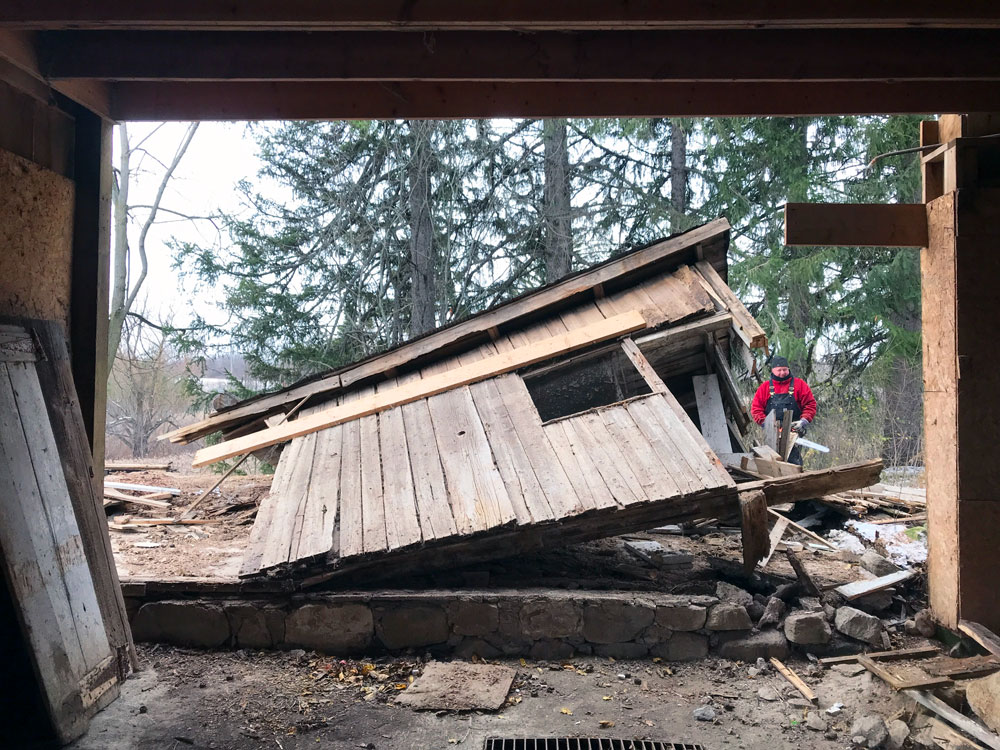
As we progressed to the roof, it became obvious that the coop was, in fact, very sturdy. Even with major support posts cut, the structure wasn’t going anywhere. So my cousin climbed up, peeled back the metal sheathing and sliced the roof with his chainsaw. Then we hooked up a rope, connected it to the winch on his ATV (he brought all the tools, which turned out to be so helpful) and pulled the roof down. We did that three more times and ended up with four huge sections of roof spread around on the ground.

This was also the point when it became clear that the coop was its own freestanding structure and wasn’t actually attached to the barn. I had planned to leave the one wall intact where it joined the barn, so that we didn’t have a huge gaping hole in the side of the barn all winter. But the wall was part of the coop and down it came.

By the end of the day, the coop was gone–aside from huge piles of wood and a foundation covered in half a metre of manure.

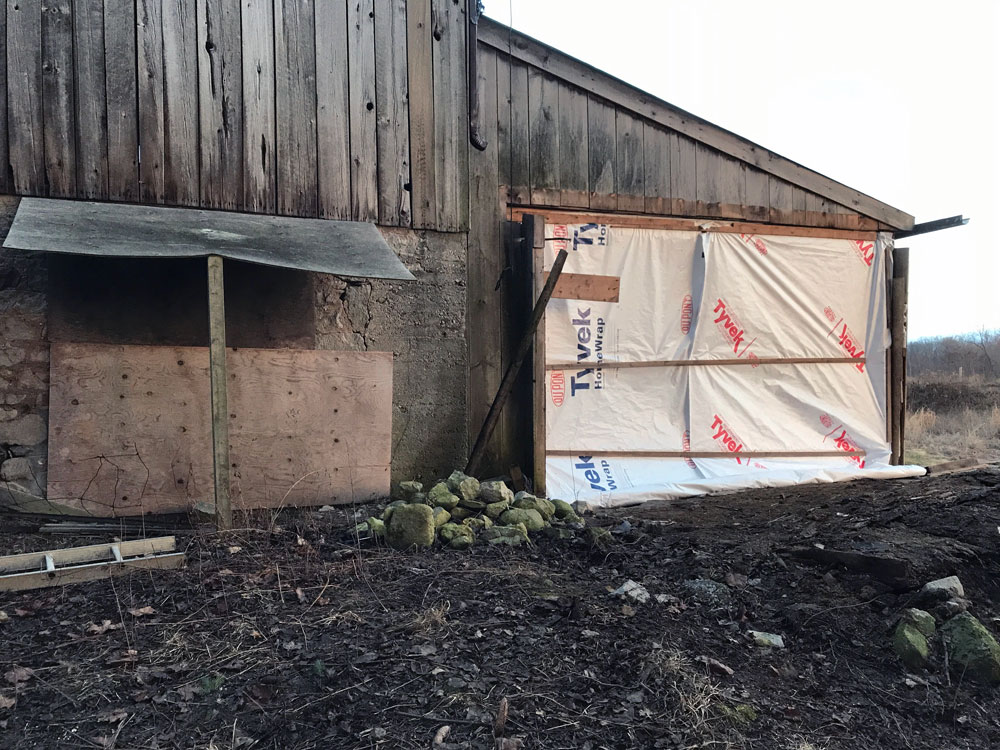
We saved a lot of pieces of wood that are long enough or solid enough to be reused. Matt’s Dad again came to the rescue and took care of burning the rest of the old lumber. He also helped me cover the huge gaping hole in the side of the barn.

He and my sister came out again to help take apart the roofs. These were beasts. The rafters and beams were round sections of trees. Then there was a layer of sheathing boards. On top of that was a layer of wooden shakes. Then another layer of boards that were strapping for the metal panels that were the final layer. Prying them all apart, saving what was useable and then burning the rest took a full day.

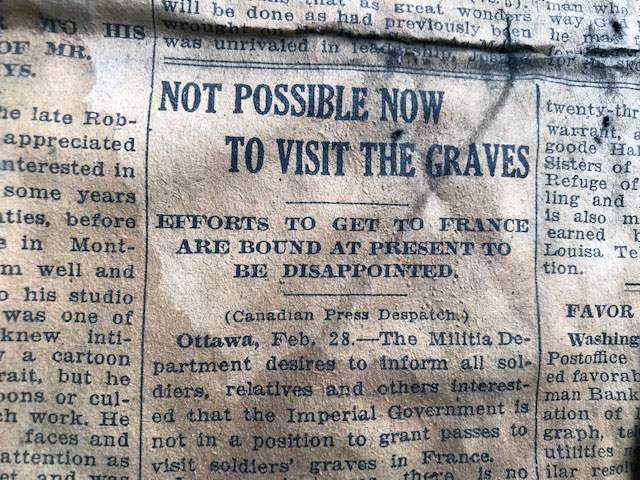
From what we uncovered during demo, I am guessing that the coop was built in 1919. The walls were a double layer of barnboard, and between the planks were old newspapers. They were very well preserved and dates were very clear. The coop has obviously been renovated over the years. Metal was added to the roof over the original shakes. A layer of concrete was poured over the original floor. But the core structure seems to be more than 100 years old.

Part of me felt a bit bad for taking it down. But as I said at the beginning of the post, it would have taken a lot of work to fix it up and it still wouldn’t have been what I was looking for in a coop. I’ve come to realize that living at the farm comes with history and also means adapting the property to us and now.

So that’s where I’m looking now. I’m planning for our new coop and looking forward to starting to rebuild. I’ll share my plans soon.

Have you ever had a home project sneak up on you (not because something broke)? Have you found any relics when renovating? How do you deal with history at your home?

One year with Cigo

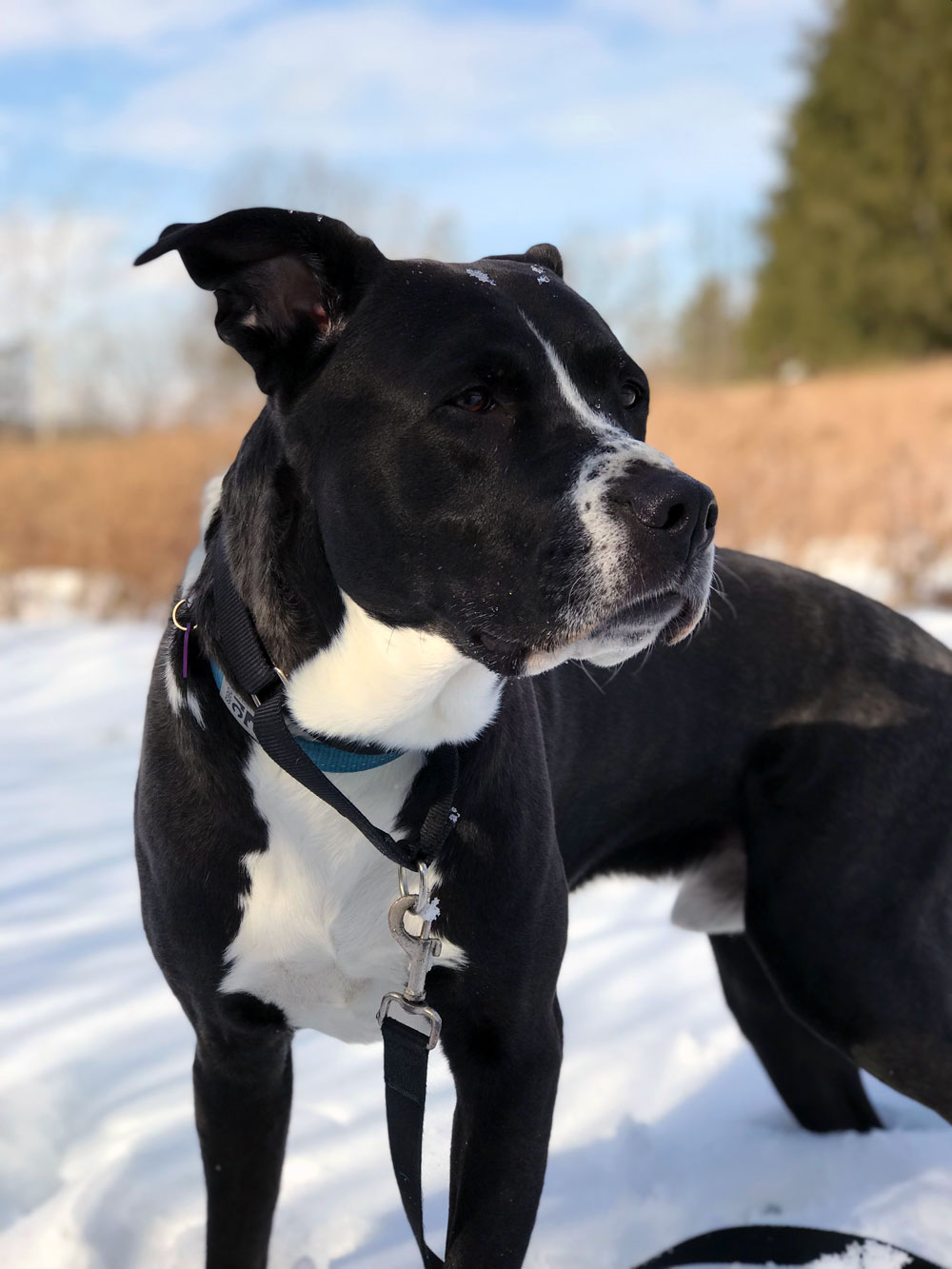
When we adopted Baxter, I began a tradition of writing a letter to him on the anniversary of his gotcha day (inspired by Tracey at love lives on). Cigo’s gotcha day was yesterday, so I decided to resume the tradition.

Dear Cigo,

Thank you for joining our family a year ago. When we met you, the adoptions coordinator explained that deciding which family would adopt you was your choice as well as ours. I’m very glad that you chose us.

Ellie and I remember our first visit. I think about seeing you on the computer for the first time, sending in our application and all of the feelings I had–excitement, uncertainty, hope. When we brought you home, I think you felt some of those yourself. We all adjusted. You joined our circle of love and joy.

You have brought a lot to my life. Your company, our hikes. Most of all watching you with Ellie and her with you. Your love of people, your patience with children, your happy, sensitive nature are very special. Whatever we are doing, you’re up for it. In fact, you’d prefer not to be left out.

This year has been full of adventures–cottages, road trips, picnics, playgrounds, boats, a ferry, canoes, sleds and tents. We’ve also made our own routine with hikes, swims, bonfires, car rides and the farm.

Along the way, we’re remaking our own family. We don’t know each other’s history. You don’t know Matt or Baxter. I don’t know your other family. We’ve found our way together, and we keep moving forward, enjoying each day.

Tracey, who originally inspired me to begin writing letters like this wrote, “joy is not ignoring reality, it’s about making the best of it.” I feel this so strongly. You help us make the best of it, every day.

The wonderful thing about love and joy is that they grow. Our lives are better because you’re here. Thank you.

Love,
Julia

The bats of the farm

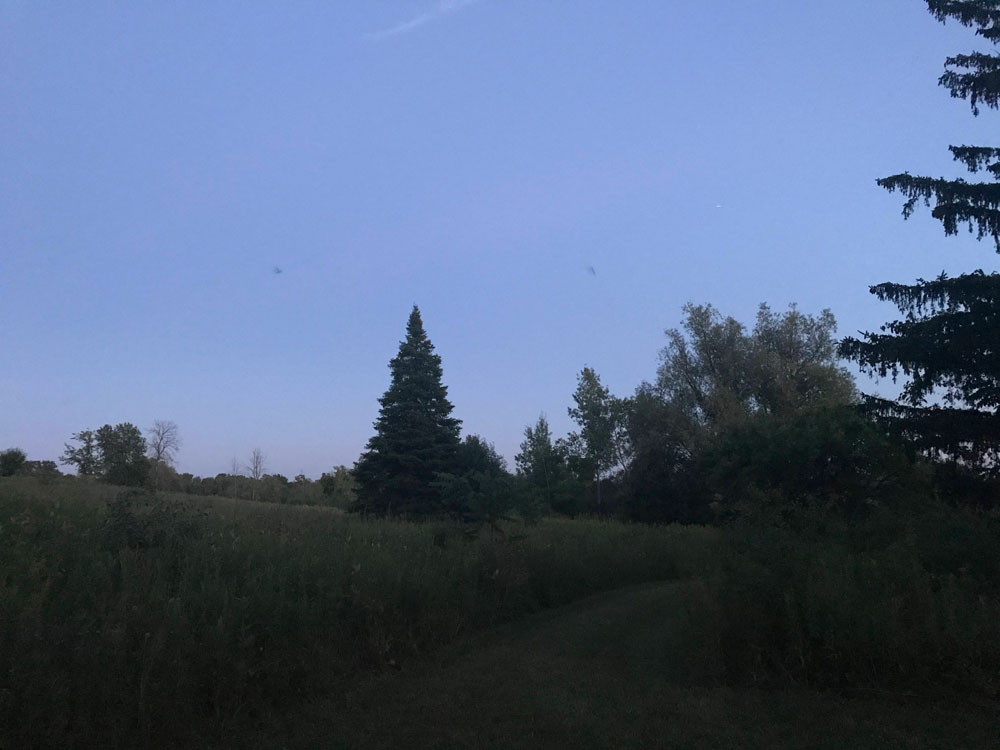
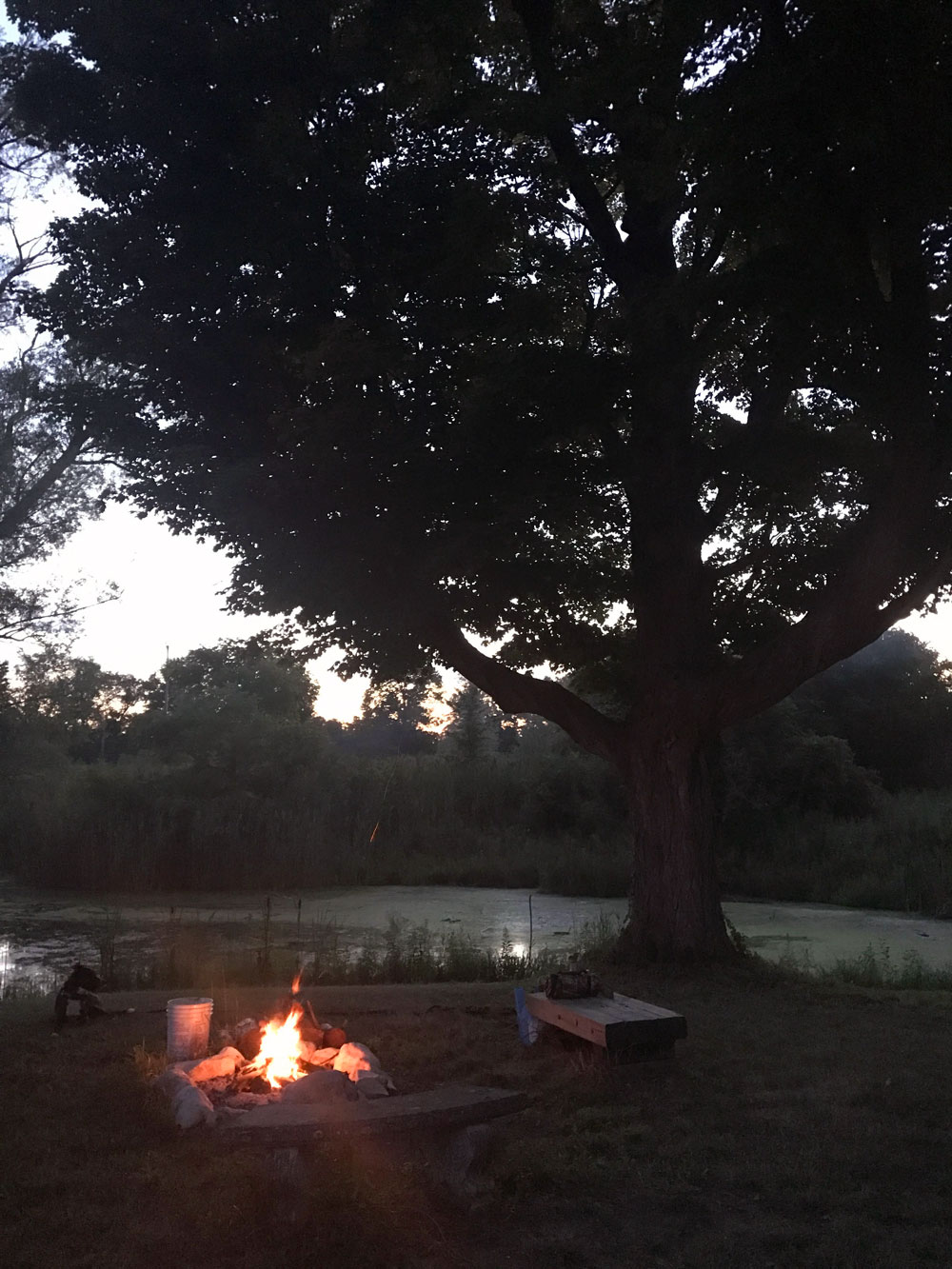
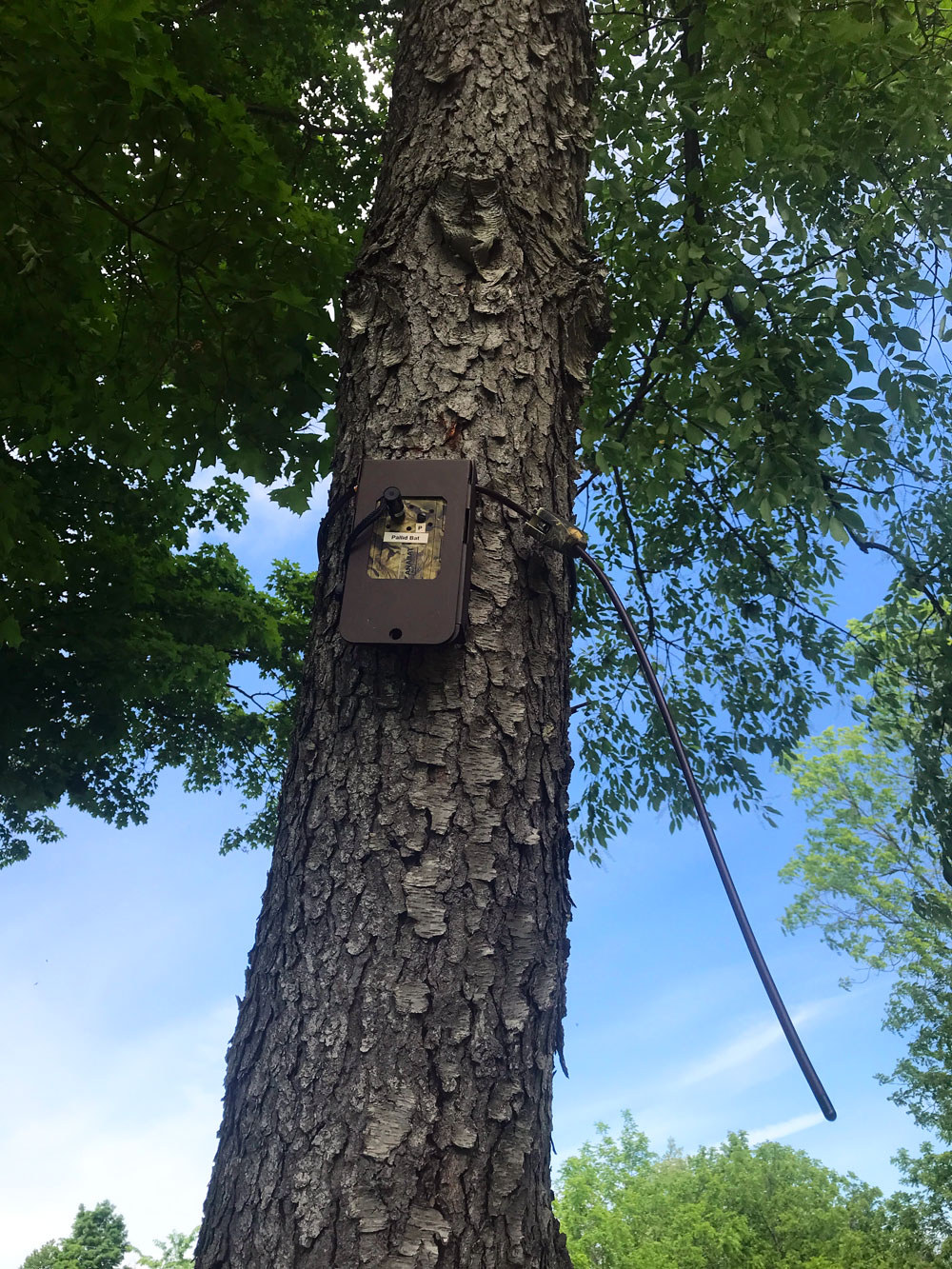
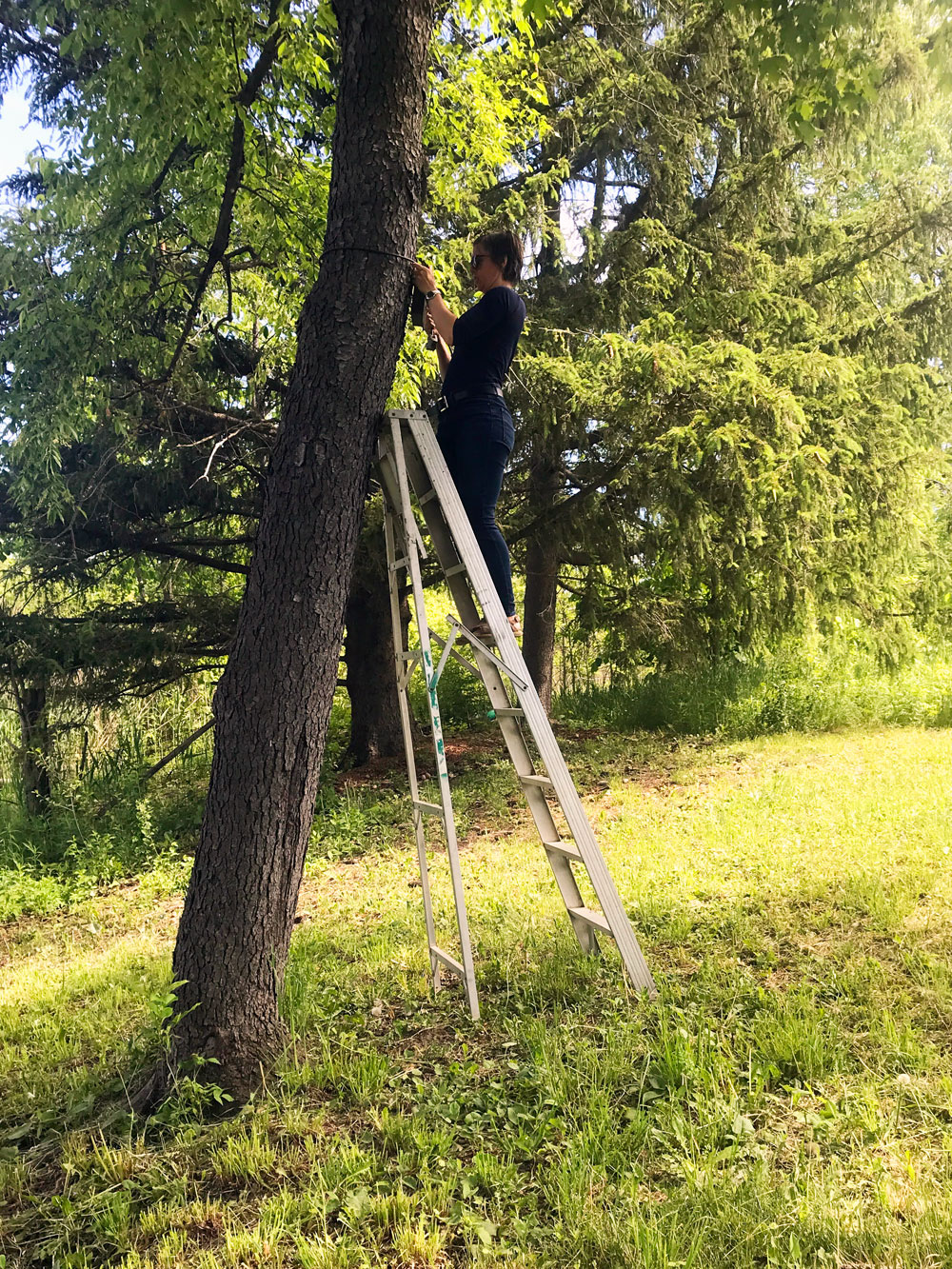
This summer, we participated in a bat study organized by the Toronto Zoo. Our contribution was installing an acoustic monitor for four nights to record the calls of bats here at the farm. (The two dark smudges in the sky in the photo above are some of the bats that were flying at the start of my bonfire on Friday night.)

We’ve now received a report from the the Native Bat Conservation Program with some of our results.

The monitor recorded a total of 104 “acoustic observations” from five different species.

Big Brown Bat73
Eastern Red Bat2
Hoary Bat8
Silver-haired Bat6
Little Brown Myotis15

Here’s a little bit more about our bats from the report:

The Big Brown bat is the most commonly observed bat in Southern Ontario. The Hoary bat is Ontario’s largest, weighing as much as three to five toonies (18-39 g).

The Little Brown Myotis was once Canada’s most common bat, but populations have been decimated by white-nose syndrome. This disease affects bat’s hibernation sleep and makes them wake up early. They then can’t find food and starve. The Zoo says, “The impact of the disease has decreased since its discovery, but since bats are slow to reproduce, population levels will not re-establish to pre white-nose syndrome levels in our lifetime.” Isn’t that terrible?

Little Brown Myotis can live up to 40 years and weigh about one to two toonies (4–11 g).

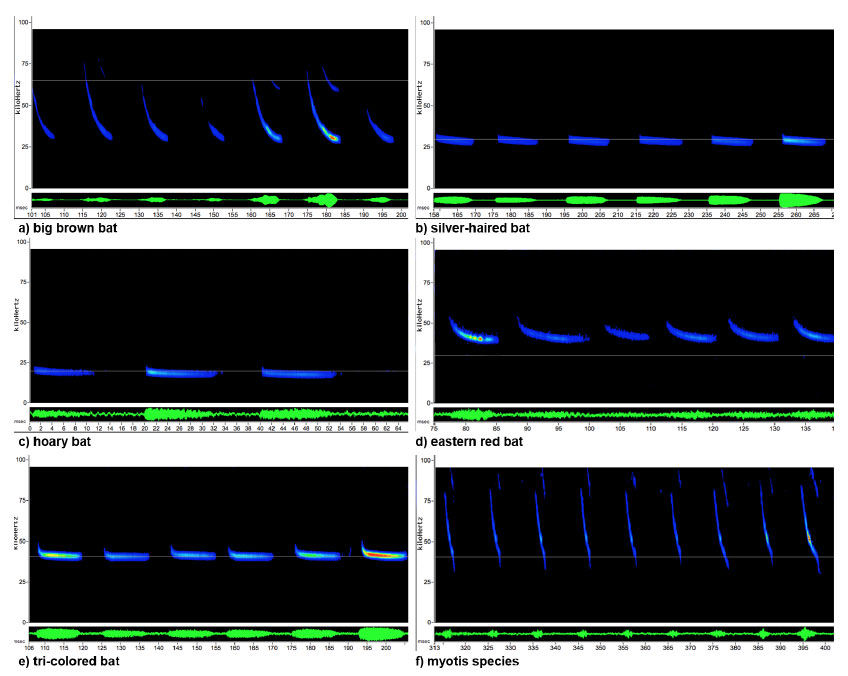
Our report showed that bat activity varied between nights. For example, the two Eastern Red bat calls were recorded on the same night. We don’t know whether the calls were from one bat or two. Each bat species has a unique echolocation call, so the scientists (and their software) can distinguish between species. However, the calls of individuals are difficult to distinguish between one another.

To identify the species, the scientists don’t listen to the recording. Instead they look at the spectogram–the graph produced by the sounds. Here’s what the calls look like for some of the different species.

Source: Toronto Zoo Native Bat Conservation Program

Bats change the shape of their call based on the type of environment they are in (for example when a bat is flying in an open space, compared to flying in a forest). Their calls also vary whether they’re navigating, feeding or socializing.

We see bats all the time at the farm, so it’s been really special to learn more about them. These results are a sample of the bats here. Some bats are more easily recorded than others. For example, loud, low-frequency bats are easier to detect than quiet, high-frequency bats. Also, the bats had to fly within range of the monitor.

However, the results give us a general idea about the bats here and can help to indicate where we have good habitats. Participating in this study has also helped me to learn more about bats and what I can do to help them.

Do you see bats where you live?

Six months with Cigo

This weekend marked six months since Cigo came home with us.

He has been a great fit for our family, and it’s hard to remember life without him. I feel like he’s always been here.

In honour of his six-months, here are six things about Cigo:

1. His head is heavy. One of the very first things we learned about Cigo is that his head weighs a lot and he frequently has to set it down. On the bed, on the couch, on the chair, on your lap. He does not have furniture privileges (though it appears he used to), and by resting his head on the couch and gazing up at us pathetically, he lets us know how terrible it is to have to stay on the floor.

This is his go-to sad puppy pose. He rested his head on the diving board at Matt’s parents’ house when he wasn’t allowed in the pool. Which brings us to number two…

2. He loves to swim. As soon as the ice thawed on the pond, Cigo was in the water. Now he runs there any time he wants to cool off. We went to a cottage last month, and he swam so much he had some withdrawal when we came home.

3. He’s a people person. Cigo is happiest when he’s with people, so the cottage week with my extended family was his definition of a good time. He even gave me a little space sometimes (he is very attached to me and doesn’t let me go far). I can’t complain too much. Having him beside me at night as I work is a good feeling. Plus it’s entertaining because…

4. He likes to sleep on his back. Seeing Cigo sprawled out all four feet in the air makes me laugh every time.
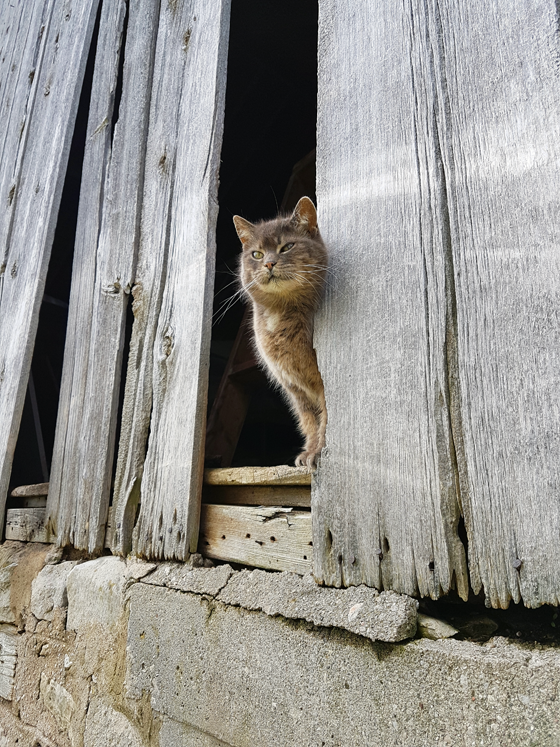
5. He’s great off leash. (Except for that one day that we won’t talk about.) Cigo has free run of the farm, which is exactly what I want for him. Baxter and I worked very hard at off leash, and he still wasn’t always reliable. But from the start Cigo has been great (we’re still working at making him great on leash). I’ve loved going hiking again, and it’s a great feeling to have confidence in my dog.

6. Kids are his superpower. Ellie was my biggest consideration when we adopted Cigo. The adoption coordinator at the SPCA picked him for us in part because of how good he was with her. Cigo is the most patient accommodating dog when it comes to children. He wears the necklaces she makes for him, admires the pictures she shows him, tolerates her sitting in his bed, and goes along with the games she plays.

Cigo goes pretty much everywhere with us, so that means lots of playgrounds. When kids come to see him, he continues laying where he was and lets them pet him. If kids are uncertain around dogs, he stays stoic and calm while they work themselves out. It’s magic to see.

I made the decision to adopt Cigo very quickly. But I was thoughtful about what was most important to us. I wanted a dog who could be part of our family–who would fit in with our life and what we like to do. Cigo has been that in more ways that I ever hoped.

I wrote some blog posts a long time ago for That Mutt that feel relevant to share:

How we’re helping to save endangered bats

On Friday night I had my first bonfire of the season. They’ve become a Friday night tradition since COVID. A way to visit with my friends safely and stay connected. They’re also a chance to watch the bats that fly around the farm.

This week, we have a new addition at the farm to help us keep an eye–or in this case an ear–on the bats. An Anabat Swift acoustic monitor.

What is that you ask?

It’s a recorder that monitors bats.

I signed up for a community science project with the Native Bat Conservation Program at the Toronto Zoo.

For the next few nights, the monitor will be recording the calls of the bats flying around the farm.

Bats are very important ecologically. They pollinate plants, disperse seeds and help control pests like mosquitoes. They are key to a healthy ecosystem. But bat populations have declined dramatically over the last several years. There are 8 species of bats in Ontario and 4 of them are endangered.

Bats are hard animals to study, so scientists are sometimes limited in how much information they have on bats in a particular area. Bats are nocturnal, their roosts can be hard to find, they can be challenging to handle, and their behaviour varies by species and season.

Acoustic monitoring is a way to track and analyse bats.

Throughout the summer, volunteers like us are installing the monitors all over Ontario. The monitor records the bats for 4-5 nights, and then we pass it on to the next volunteer.

The team at the Zoo will analyse the recordings and determine what bats are found in a particular area (each species has its own specific call). Over the fall and winter, they will manually identify all of the calls one by one–thousands and thousands of calls.

The recordings will help the Native Bat Conservation Program to assess what species are found where, what time bats are active, and identify any sites where there are species at risk. The information will be contributed to the North American bat database and help to inform conservation efforts.

We will also receive a personalized report of what species and how many calls were heard at the farm.

I love seeing bats flying around at dusk, and I’m excited to learn more about the bats in our area and how we can help them.

Do you see bats where you live? Have you every participated in a community science project? Are you keeping an eye on any endangered species? Have you had a summer bonfire yet?

Remembering Ralph

Ralph the barn cat

Ralph died last week.

The farm feels different.

I’ve never known the farm without Ralph. She was here before us. (Here’s her introduction on the blog.)

After she died, Ellie and I went for a walk. As we came up the trail toward the barn, I was hit by the thought that Ralph wasn’t here.

It doesn’t feel right. Another hole in our family.

Our barncat Ralph

I call Ralph the #worldsbestbarncat. Because she was. She was tough and savvy. Gentle and affectionate.

Our first spring was particularly memorable for the four kittens she gave us–and the realization she was female.

Everyday she would wait for Matt to come home from work, knowing that he’d head straight to the barn to dish out her kibble. Her habit of waiting on the driveway and demanding food and attention led to her broken leg–and her temporary stint as an indoor cat.

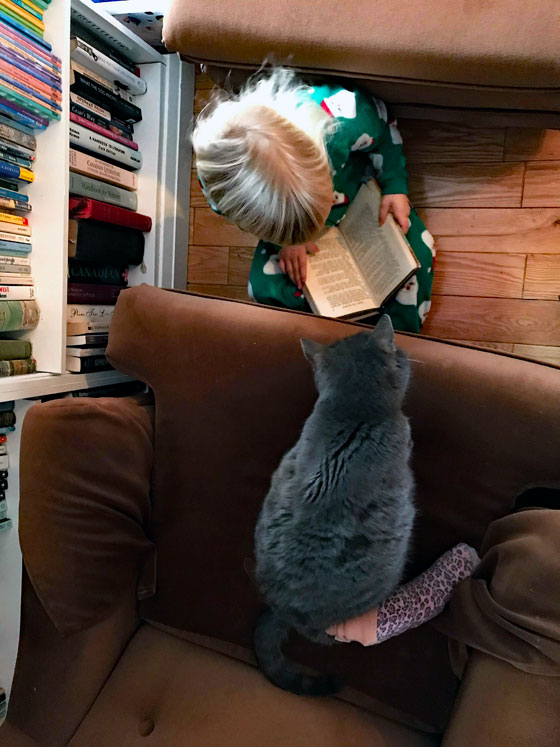
Child sitting on the floor reading a book to a cat sitting on a chair

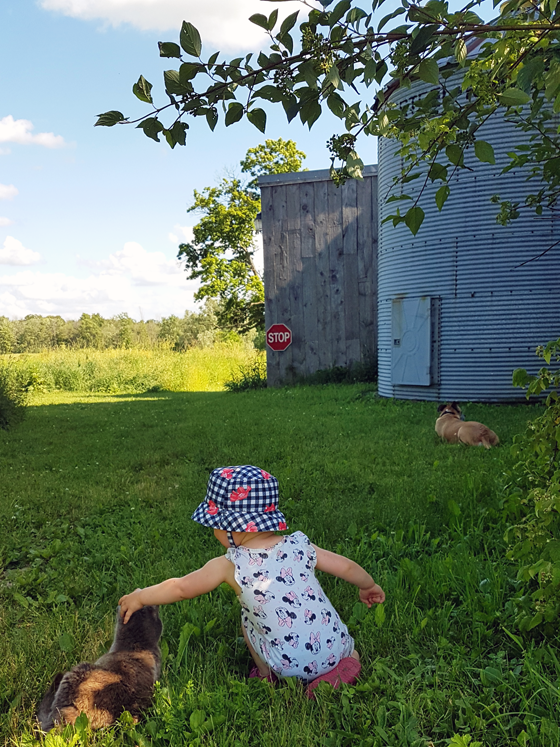
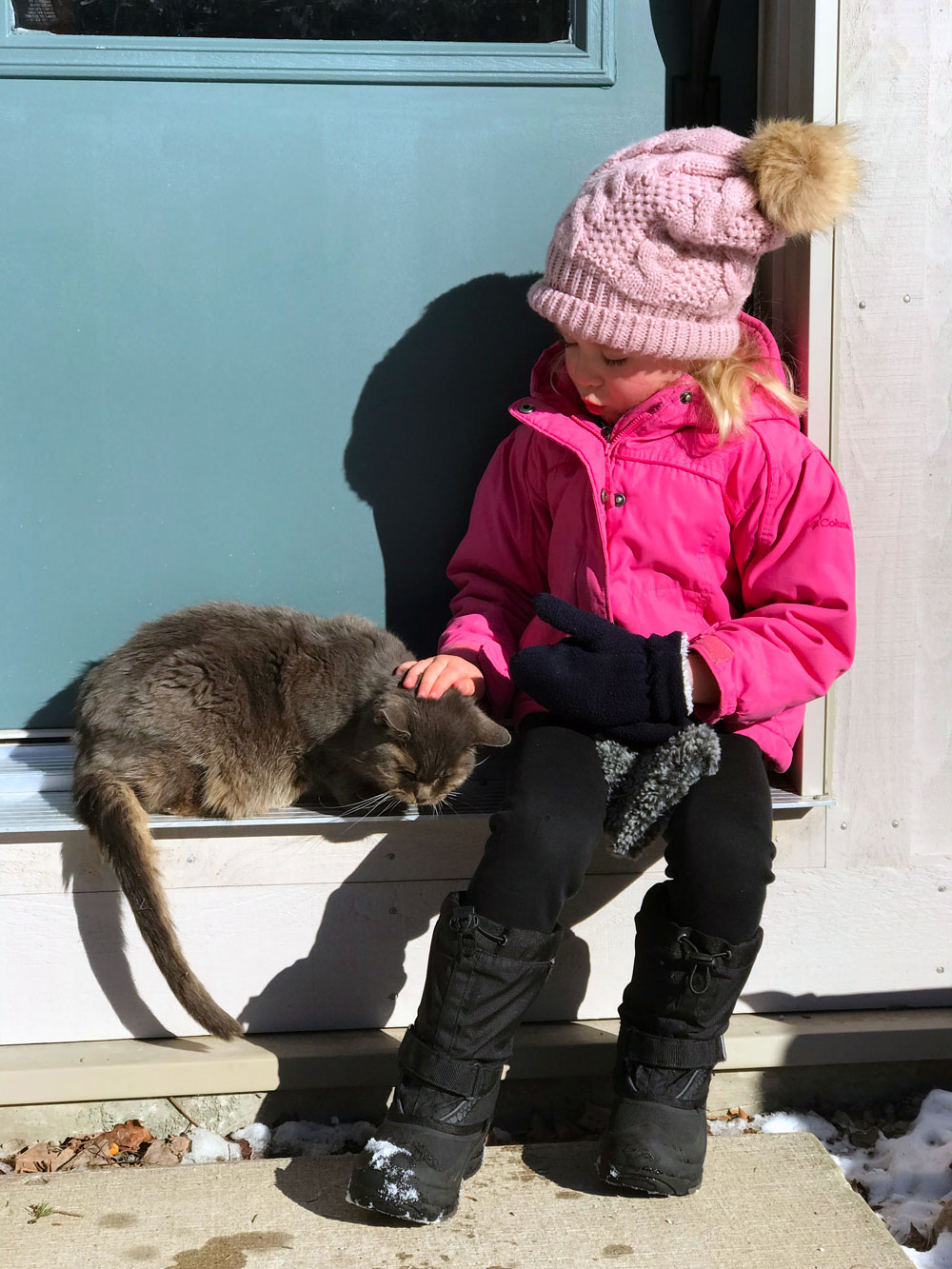
She bonded with Ellie from the beginning and was an exceptional babysitter. If I sat Ellie on the ground, Ralph would wind around her. Ellie would laugh and try and try to reach and pet. Ellie’s gentleness and affection for animals is rooted in Ralph and Baxter.

Ellie, Bax and Ralph by the silo

We have no idea how old she was or what her life was like before we came here. She was blind in one eye, pretty much deaf, almost toothless and lame (mostly a joke, since her leg healed very well). She did not like dogs, though she did come to tolerate Baxter. Even in her last weeks as she was weak and ill, she had the energy to hiss and swipe at Cigo.

Maybe she waited until Cigo was here. We have another furry family member to watch over us now. Her time here was done. Now she is with Matt and Baxter.

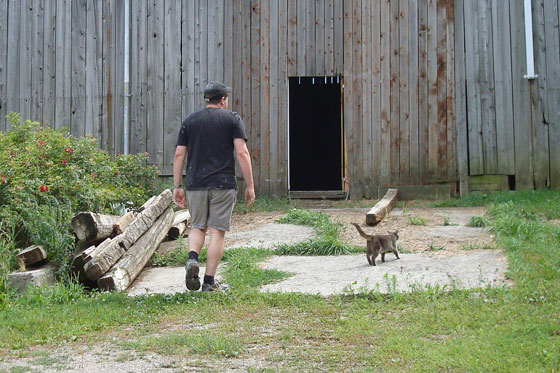
Matt and Ralph walk to the barn

She gave us 10 special years, and she will always be part of this farm and our family.

Adding to our family

One of the functions the mudroom was designed for is being fulfilled. A row of hooks is now holding leashes, collars and old towels.

Last week, Ellie and I added Cigo to our family.

I was not looking for a dog. But something made me click onto the SPCA website. There I saw an easy-going 3 year old boxer lab. That all sounded very familiar, and we had an amazing experience last time.

Without giving myself time to think, I put in an application. A few days later we went to meet him. Ellie liked him and he was good with her–my most important criteria. The next day, we heard from the adoptions coordinator that we were approved and he could come home with us.

Cigo (See-Go) has been a nice addition to our family. We’re all still adjusting, and it’s definitely a juggle. But seeing Ellie with him is incredibly special and having him with me as I write at night is comforting.

His overall disposition is awesome. He’s good with people, children and dogs, and doesn’t bother with our food or Ellie’s toys. He doesn’t have a lot of training, so we’re working on basics like not pulling on the leash, stay and our house rules.

He loves the farm and likes rolling in the snow, checking out the smells when we go snowshoeing and running around the driveway with Ellie.

A week in, he’s starting relax and know what’s expected. And we’re getting to know him and what he needs. It feels good to share the love and joy of our family.

How to fight gypsy moths

Gypsy moths are an invasive species that is very destructive to trees. Caterpillars “feed gregariously.” If there are enough caterpillars, they may eat all of the leaves off a tree. “Severe defoliation can reduce tree growth and predispose trees to attack from other insects and diseases.” (Source)

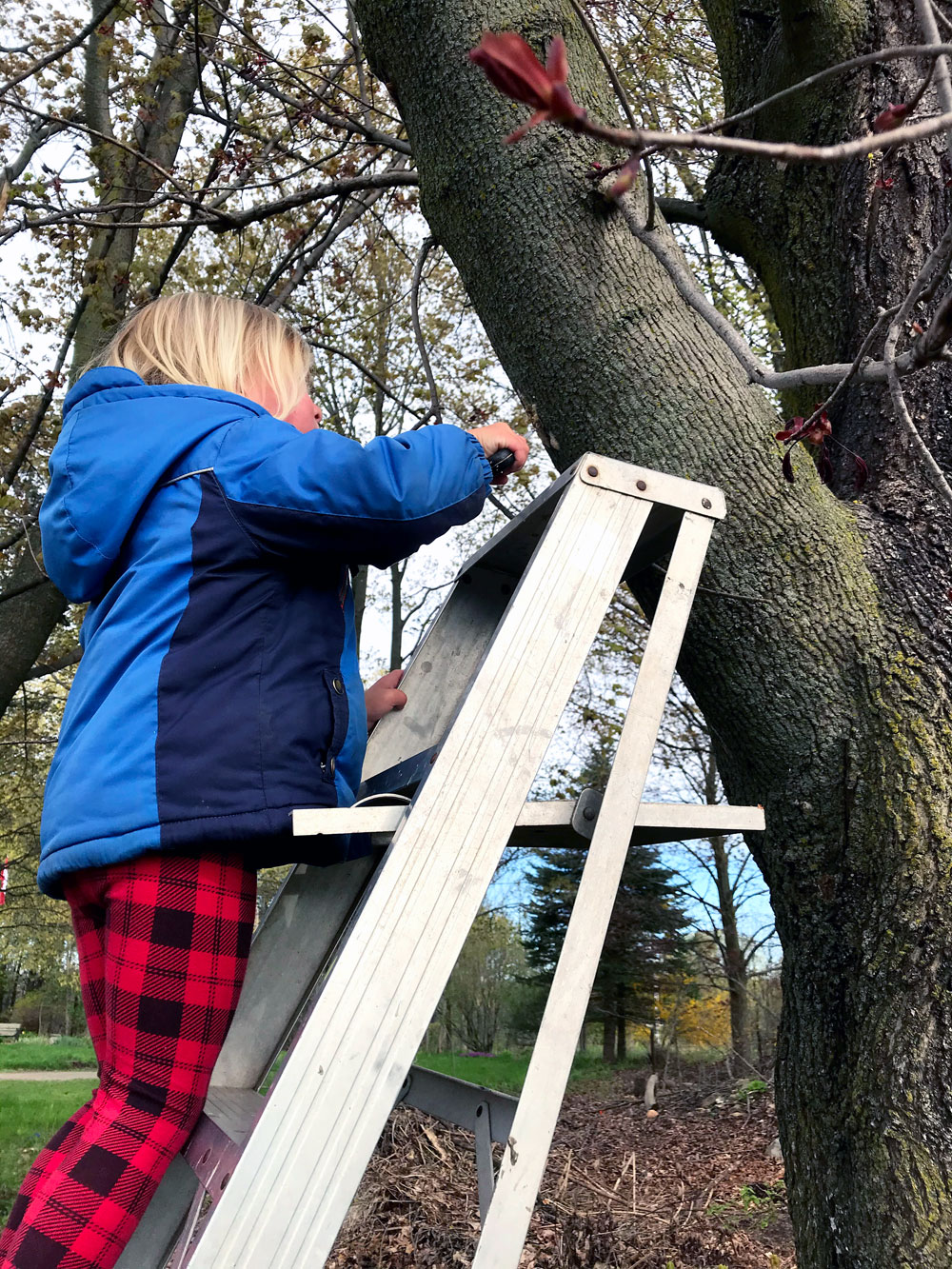
We prize our trees here at the farm, and we’ve had some caterpillar damage the last few years. So last week, Ellie and I spent a morning scraping gypsy moth eggs off our trees.

Child standing on a ladder scraping gypsy moth eggs off a tree

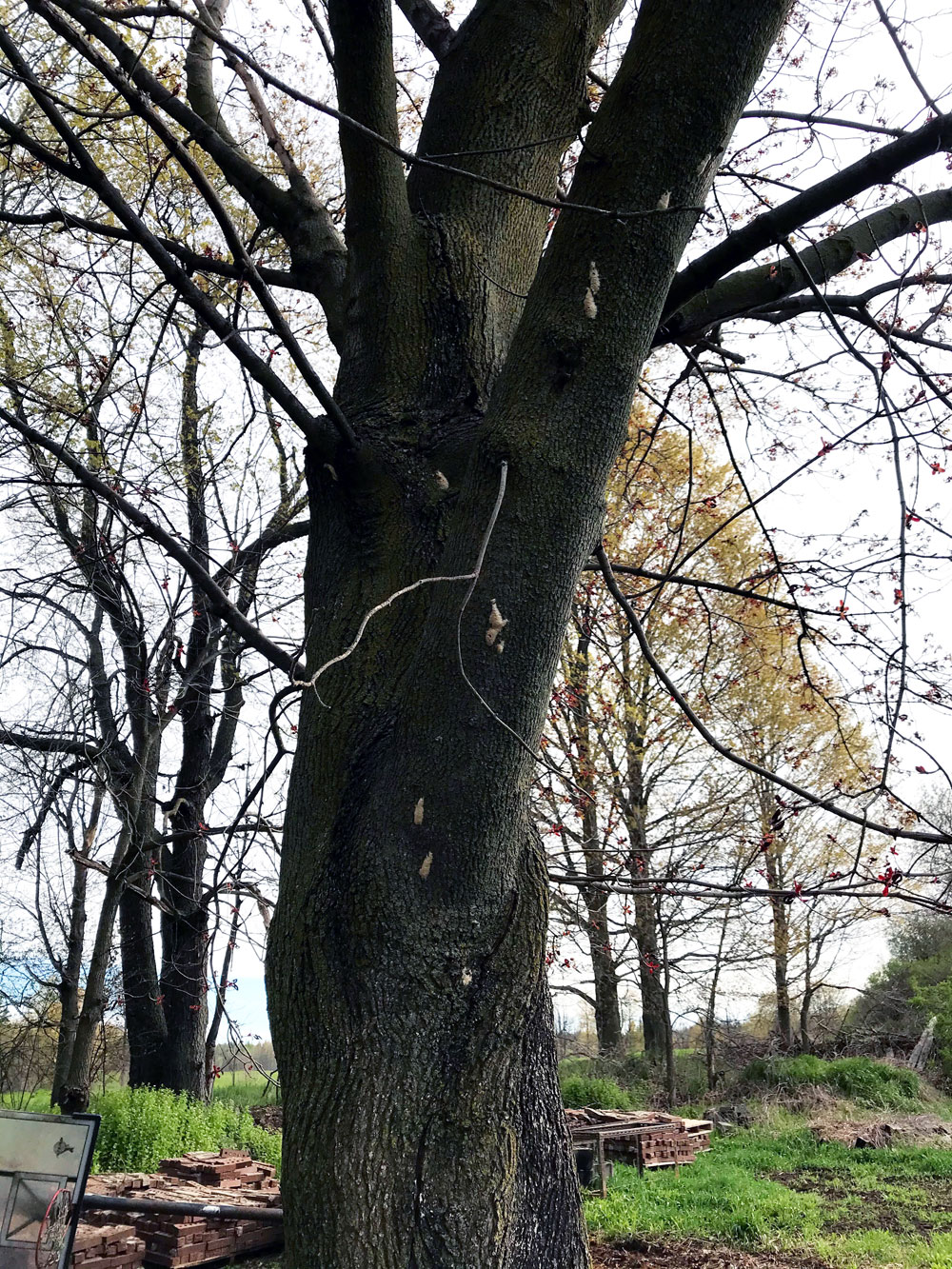
I had noticed some pale patches on various trees and after a close look assumed they were egg deposits of some kind. Then, articles in a couple of magazines confirmed they were from gypsy moths. A very detailed article in our community newsletter advised scraping them into a bucket of hot water mixed with bleach. And to do it by May before the caterpillars hatched.

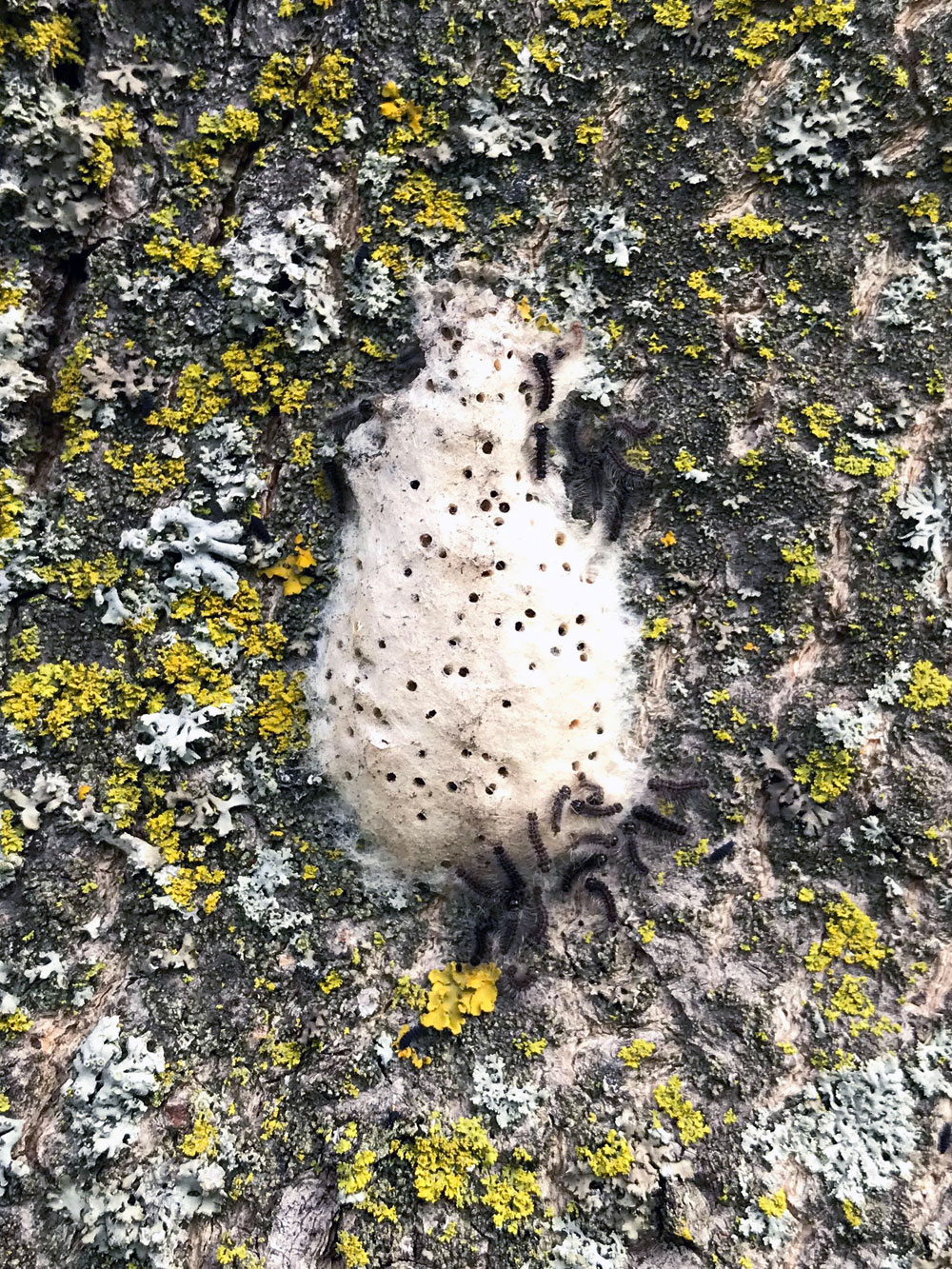
We were already into the first week of May, so Ellie and I got busy right away. We carefully examined our trees and scraped off any masses we found. A few had already hatched, though the caterpillars were still small and hadn’t crawled away yet. I was very glad to remove them before they moved onto the trees.

Gypsy moth egg mass with newly hatched caterpillars
Gypsy moth egg masses on a maple tree

We used a ladder to get as high as we could. We were careful to scrape as many of the eggs off as possible and catch them in the bucket, rather than letting them fall to the ground.

Gypsy moth egg masses and caterpillars in a bucket of water

We found the eggs on many of our maple trees. I’m sure there are a few we missed, and some that were out of reach. I’m hoping that we removed enough to prevent the trees from being severely damaged.

Our community newsletter also recommended wrapping sticky tape around the bottom of the trees to catch the caterpillars, so I’m planning on doing that as well.

The article concluded, “The more people that are aware and actively working to reduce gypsy moth populations, the better overall control we will have over this invasive pest.” I hope that this post encourages you to check your property for signs of gypsy moths.

Do you have any pests on your property? Are gypsy moths a problem in your area?

Ralph update

Three months after breaking her leg, Ralph is finally free from her cast.

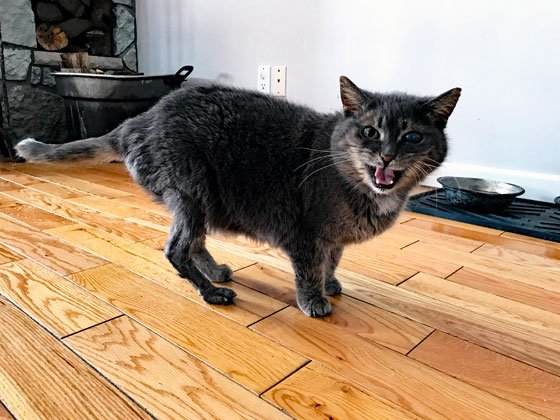
Cat meowing

When we first went to the vet at the beginning of November and he said it would be 6-8 weeks, I gulped. Keeping a barn cat contained for two months? This wasn’t going to be fun.

Well, it ended up being just over 12 weeks, and our barn cat now lives in the house.

We started off with Ralph in the mudroom. We keep the door from the mudroom to the house closed, so she could be contained and safe, but not in the house. For the first few weeks of her confinement, she was mad. She hated being inside. Then she adjusted and we had a peaceful couple of weeks. But then she got mad again. This time she was mad that she wasn’t in the house.

She would yowl for more than an hour at a time. Finally I couldn’t handle the noise, and I moved her inside. She settled into a corner of the kitchen and has lived happily ever since.

Fortunately, the transition has not been difficult. She stays in the living room or kitchen. She uses her litterbox. She does not scratch or climb on the furniture (aside from a couple of attempts in the early days).

Child sitting on the floor reading a book to a cat sitting on a chair

She’s occasionally more nocturnal than I would like and yowls in the night. And I really don’t like having a litterbox in the house and having to clean it.

But I think this is what’s best for our girl right now.

Her leg is still healing. I can feel a bump where the break has mended. But her leg is skinny and weak after two months with a splint and another month wrapped in a bandage. She needs to walk on it to rebuild the strength in both her muscles and bone.

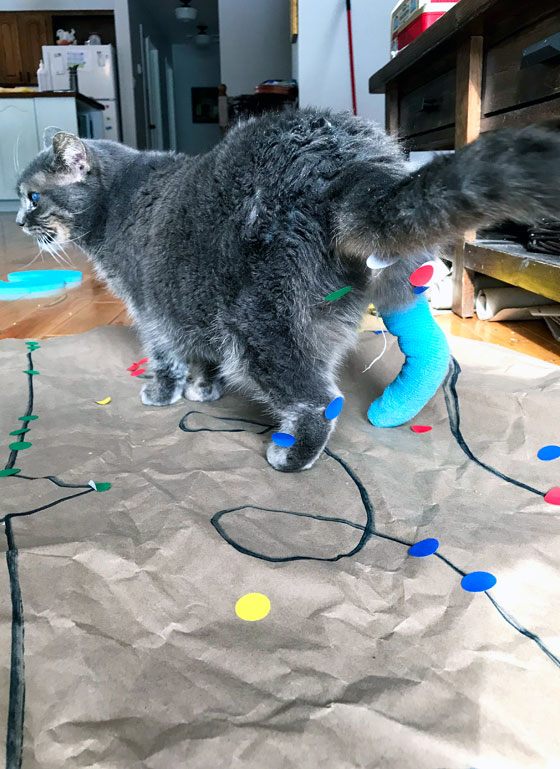
Cat with a cast on her back leg

The vet checked her over at her last appointment, and the verdict is she’s a lame, blind, deaf, toothless cat. She gets to have whatever comfort she wants right now.

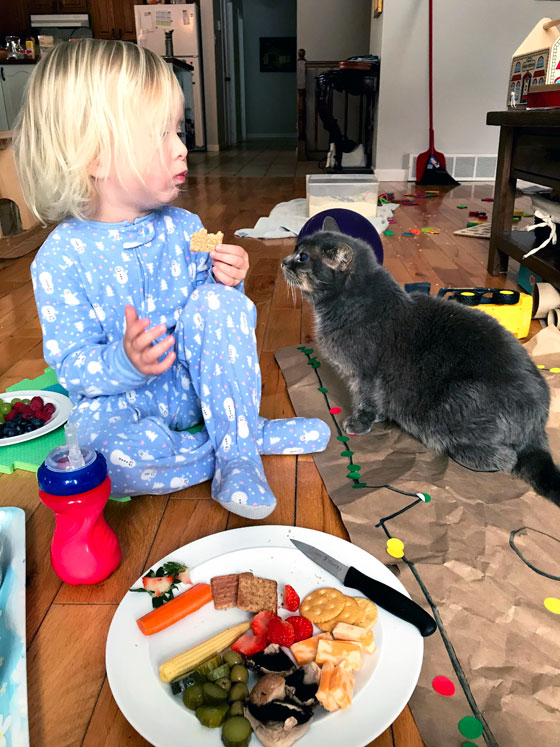
She curls up on Ellie’s playmat if we have a morning sunbeam. And when Ellie and I have lunchtime picnics in the living room, she comes to join us.

Cat begging for food from a young girl

At night when I’ve finished work, I sit in the living room for a few minutes and read. Ralphie invariably gets up and hobbles over to my chair for pets.

While I may not be an indoor cat person, Ralph isn’t a bad cat to have indoors.

I am extremely grateful that she wasn’t hurt too badly and the leg seems to have healed.

Are you a cat person? Any tips for night time yowling? Have you gone through an injury with your pet?

Busy, busy beavers

A month into living at the farm I wrote a post that was basically, “I think I saw a beaver? It wasn’t really a beaver, was it?” It turned out that yes, it was a beaver.

And they’re still here and busier than ever.

Ellie and I visited them on the weekend. She likes to throw sticks into the water for the beavers and climb the “beaver tree.”

Child standing on a tree in the middle of a large beaver lodge

Since we cleared the pond shore last year, the beaver lodge became visible. It wraps around the big willow–the beaver tree–on the shore.

Partially frozen pond with a large tree and beaver lodge on the shore

Occasionally over the summer we caught a glimpse of the beavers swimming in the pond or heard splashing during one of our campfires.

In the lead up to winter, the beavers added sooooo many sticks and sooooo much mud to their lodge. It is very large.

Close up of a stick in a beaver lodge

If you take the trail from the pond around the meadow and behind the barn, you come to the beavers’ logging camp. They’ve taken down about a dozen trees here. In the fall, Matt’s Dad came and cut up three trees that had fallen over the fence and across the path. He dumped the wood at the firepit by the pond. The beavers dragged every single log into the water. And then they went back and knocked over a bunch more trees.

Trees stumps cut by beavers
Child ducking to walk under a tree cut down by beavers

Apparently, “beavers store food (fresh branches) in the water around their lodges” in the fall. Then “in the winter, a beaver will swim out… to get food under the ice.”

This gives me a bit of comfort as the build up of sticks in the pond this fall has me worried that the beavers are planning to build a dam across the middle.

The weather here has been much too mild for the pond to freeze yet. And I can see where the beavers have broken through the ice to keep the water open. They’ve also still been coming up on shore to eat the bark off a variety of trees, including a huge maple.

Beaver damage around the base of a large tree

I’m a little worried for the maple and still concerned that the beavers are going to take over the whole pond, but I’m hoping we can continue to share the farm. I still think it’s so neat that we have beavers.

Do you have any interesting wildlife at your house? Anyone have any experience with beavers to share?