For the last two and a half months, I have been breaking one of my major rules of DIY. I’ve been working on more than one project. <<Gasp>> There are no DIY police coming to arrest me and no real consequences for breaking my own rules. But the start of this year has confirmed that this is not the way I like to work. It also made me think about some of the DIY rules I follow and how I make renovating enjoyable and productive.
I’ve been a DIYer my whole life. My Dad and Mom both worked in construction and they involved my siblings and me in projects from the time we were very little. Once I got older, I worked with my Dad officially, labouring for him every summer.
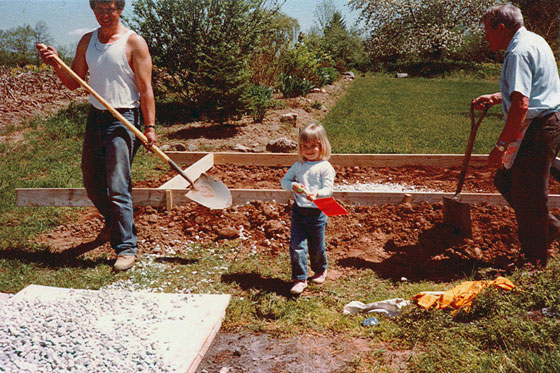
Then Matt and I bought our first house. We fixed it up, sold it and bought the farm. Here we found another fixer upper, which was exactly what I wanted. Over the years, I’ve learned a lot about construction and how I like to tackle projects. So today, I’m sharing a few rules I (usually) follow to ensure DIY is successful.
Tackle one project at a time
Have you ever walked into someone’s house to find they have a project on the go over here, and oh they’re working on that over there, and yep that needs fixed over there too? With DIY, and especially with a fixer upper, it’s easy to get pulled in different directions. So many things need fixing!
Or maybe you get bored. That project that was so exciting a few weeks ago has now become a slog. Or you got stuck and weren’t sure what to do next, so you started something else.
At the start of this year, I broke my own rule. I started redoing the office downstairs while I was still working on the coop outside and I began planning the bathroom reno. I justified it that it was winter, so having an indoor and outdoor project made sense. Plus I really, really wanted the office.
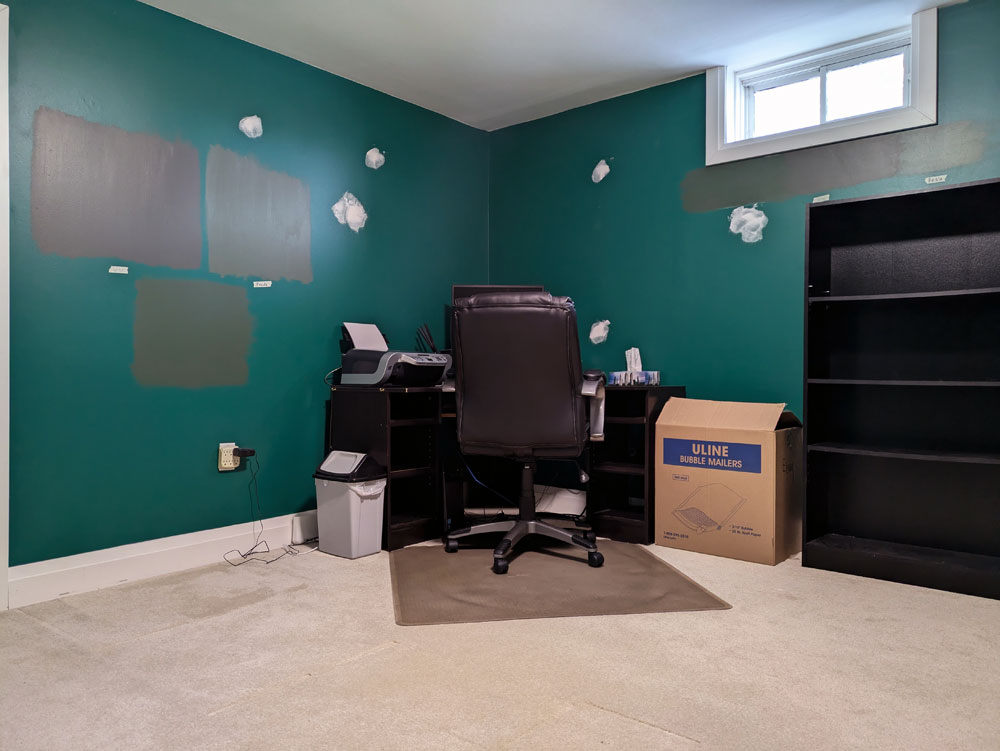
But it was hard. I was thinking about three different projects, which for me meant I didn’t have a clear vision of what had to happen next for any of them. Also I was working all the time and got really, really tired. Progress slowed and I wasn’t having fun anymore. Eventually, I stepped back from the office and prioritized the coop.
DIY requires a singular focus. Pick a project, stick with it and don’t let yourself get distracted.
Have a schedule and stick to it
For most of us, DIY is something extra. We have our jobs, our families, our lives. And then we try to fit in home renovations. Having a plan of where and how you’re going to squeeze it into your schedule can help you complete your project.
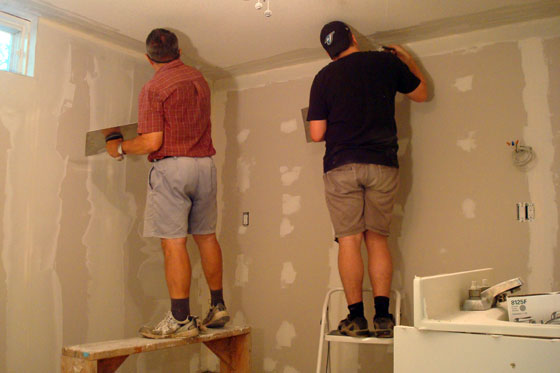
When Matt and I were drywalling the basement, we set every Wednesday night and all day Saturday as our work time. Sure most Wednesday nights we would have rather sat on the couch and watched TV, but we had a vision of that couch and TV in our beautiful finished basement, so we stuck to the plan and eventually finished the drywall.
For the coop, I committed one day a week to construction. Some weeks were very cold. Sometimes something came up and I couldn’t give it the full day. But knowing I’d made the commitment to myself got me out each week and kept progress moving.
Know your limits (but push them a little)
DIY comes in all shapes and sizes. Some projects are super simple and others are complex. Make sure the scope of the project you are tackling is (mostly) within your capabilities. If you take on something too big or too complicated, you may get stuck or frustrated or make a mistake. Certain mistakes like messing up the wiring, plumbing or structure of your house can have serious consequences.
We watch YouTube or HGTV and think renovation is no big deal. But many parts of construction require special expertise and professional training. There’s a difference between knowing something’s possible and knowing what’s possible for you to do. Be realistic what you can handle and when to call in professional help.
At the same time, DIY is a learning opportunity. Simple projects can lead to bigger things as you build your skills and confidence.
The coop has stretched me. Figuring out how to build it took me a while. Constructing the floor–with so much drilling into concrete–was a bit intimidating. It’s not something I’ve done before on my own, and I wasn’t sure I was doing it right.
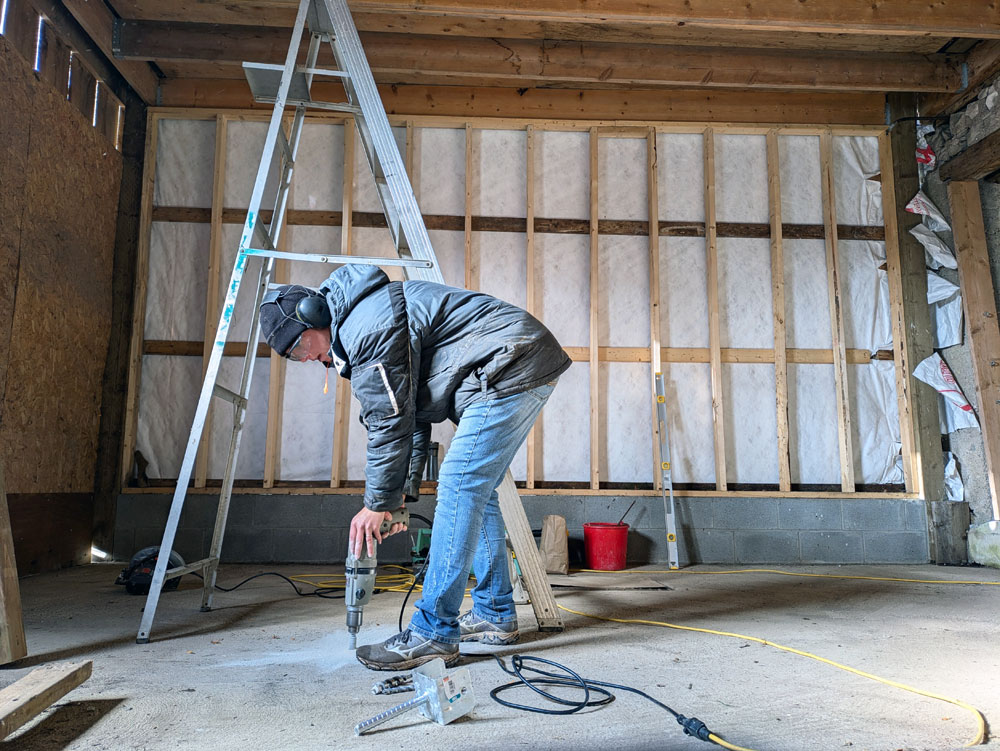
I asked for advice, looked up construction standards (the building code, not YouTube, is a good source), thought about how to tackle different parts of construction and then I did it. I had a foundation from a lifetime of DIY that I could build on to accomplish that project. And I’m so proud of it. Now I have more skills and confidence to tackle something else in the future.
I think I’ve been pretty successful with DIY. I’ve saved money, grown my skills and built a really nice home for myself and Ellie. Plus, I enjoy it. For me, one of the biggest signs of success is simple. I get stuff done. Finishing a DIY project is hard. These three rules help me do it.
 Home on 129 Acres