Fall is here. That means the clock in my head is ticking as I review the things-to-do-before-winter list.
Today, I’m getting that to-do list out of my head.
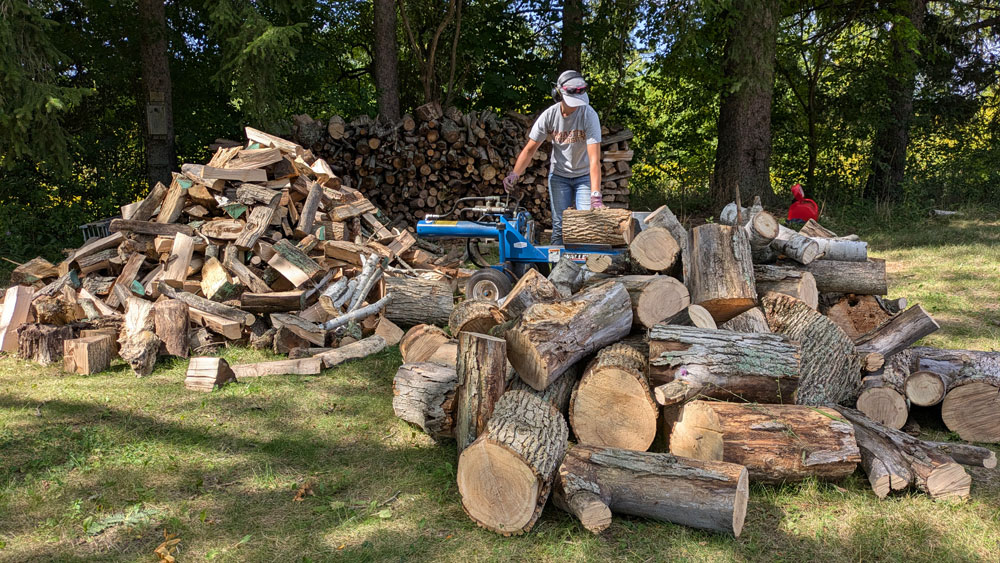
There are the usual winterizing tasks like putting away the mowers and patio furniture, turning off the outside water, stacking firewood (thanks to Matt’s Dad, his brother and nephew for all their work last weekend), taking off the window screens, cleaning the eavestroughs. But there are a few special additions too.
Coop
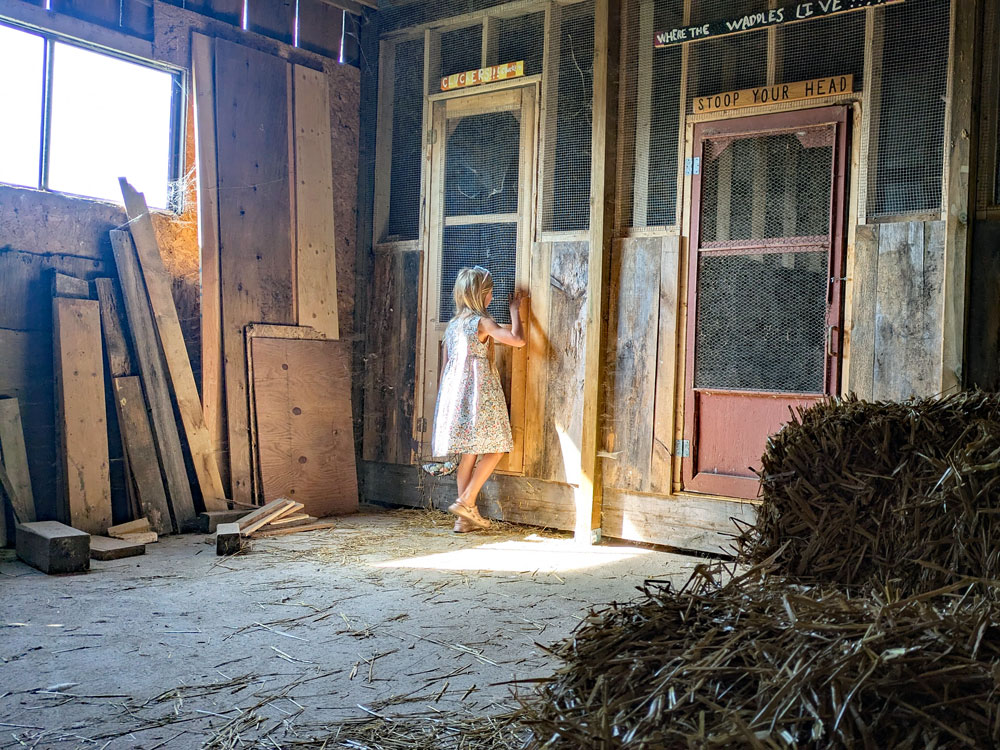
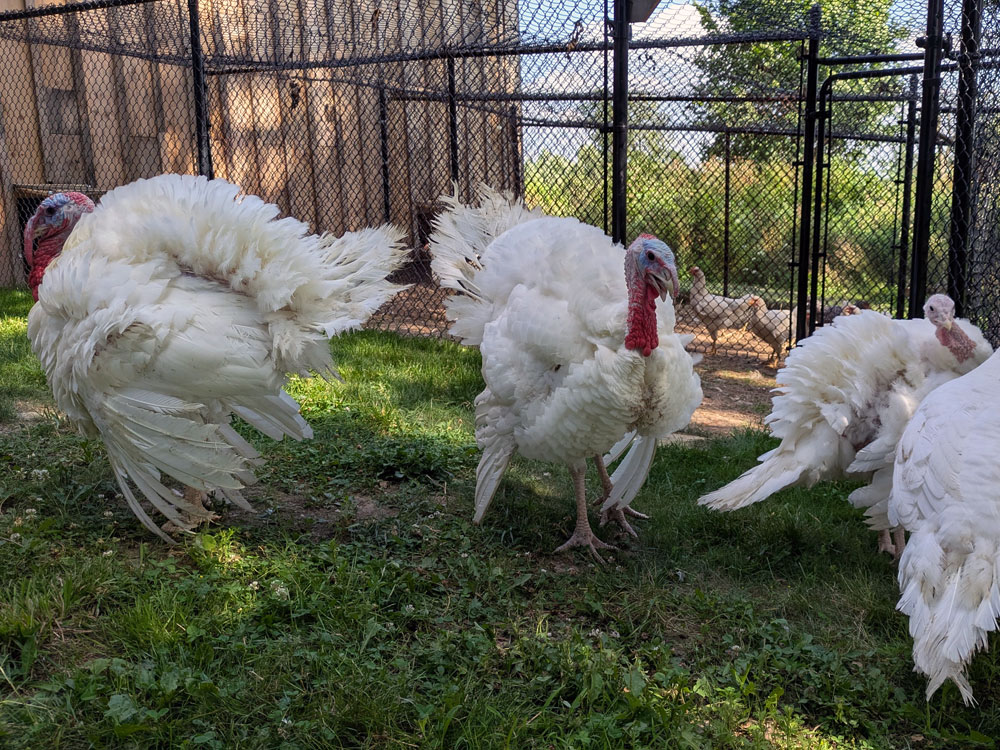
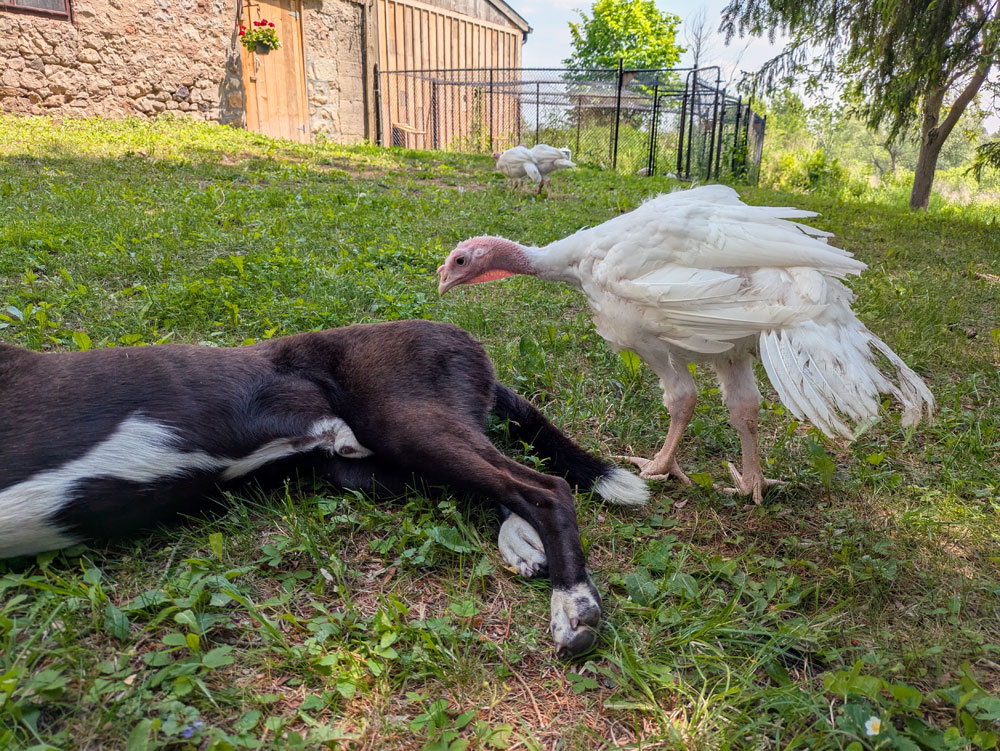
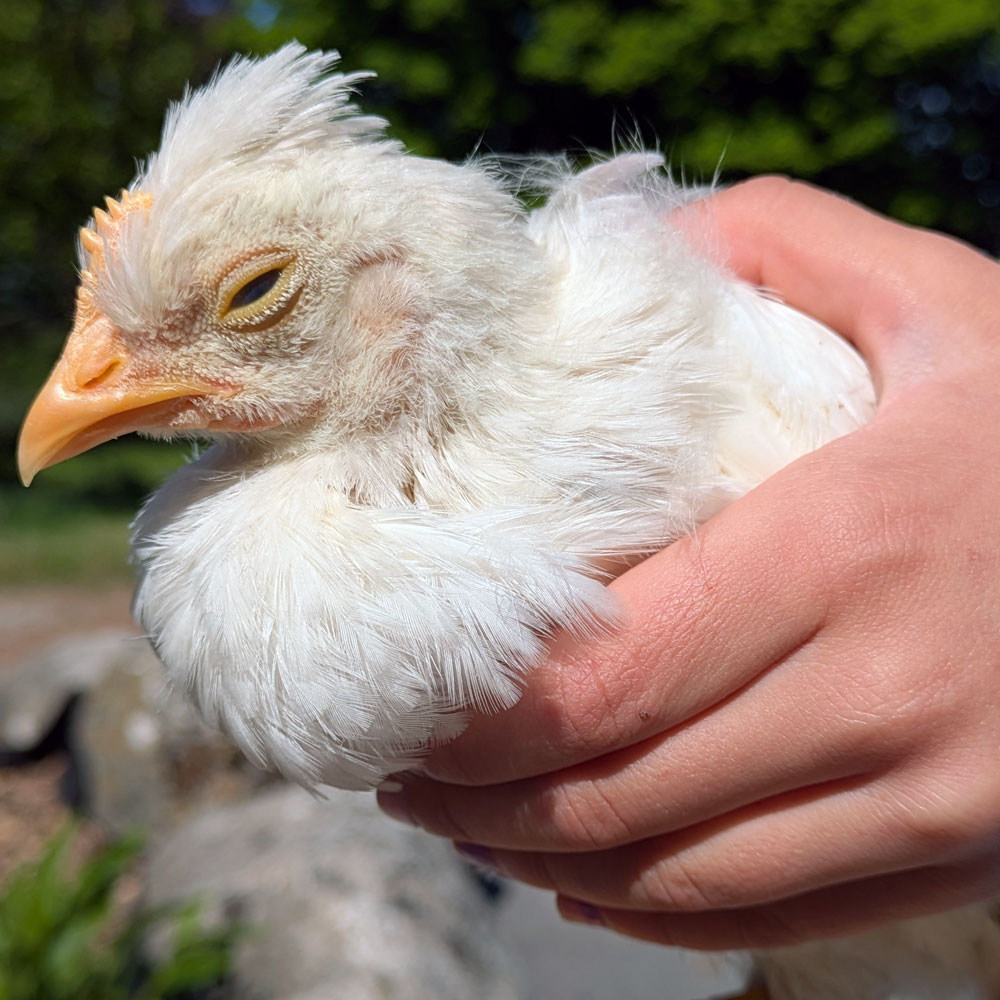
The most critical item on my list is the coop. I need to make sure the chickens are all safe and set for winter. Some of my tasks are basic, like clean out the pens and put in fresh straw (the turkey pen also needs cleaned, though they obviously don’t need fresh straw). Others are a little more involved like hunting down a few drafts in the walls and leaks in the roof and patching them. I also want to clean up the scrap wood that has been scattered around since I took down the old coop and set up a designated area for my bales of straw.
Barn grading
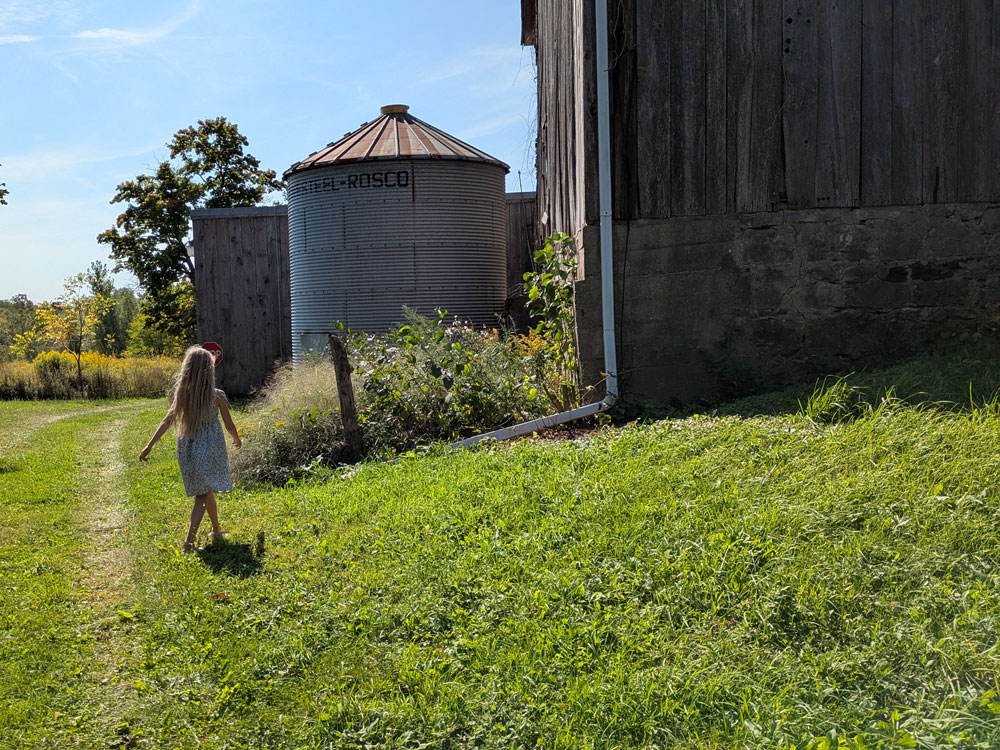
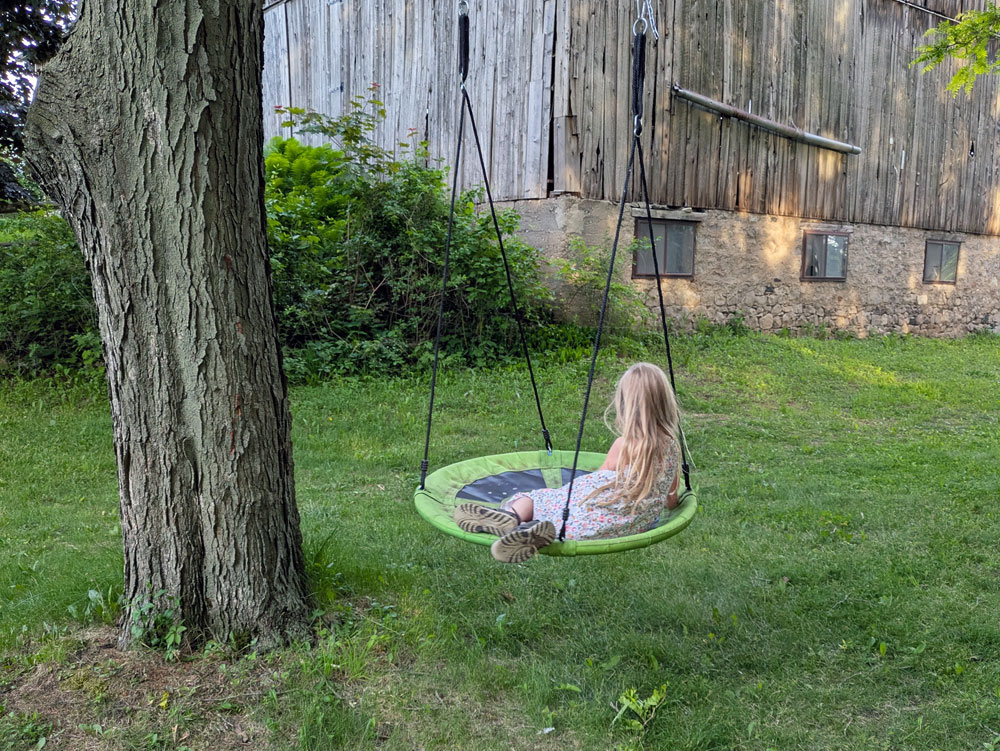
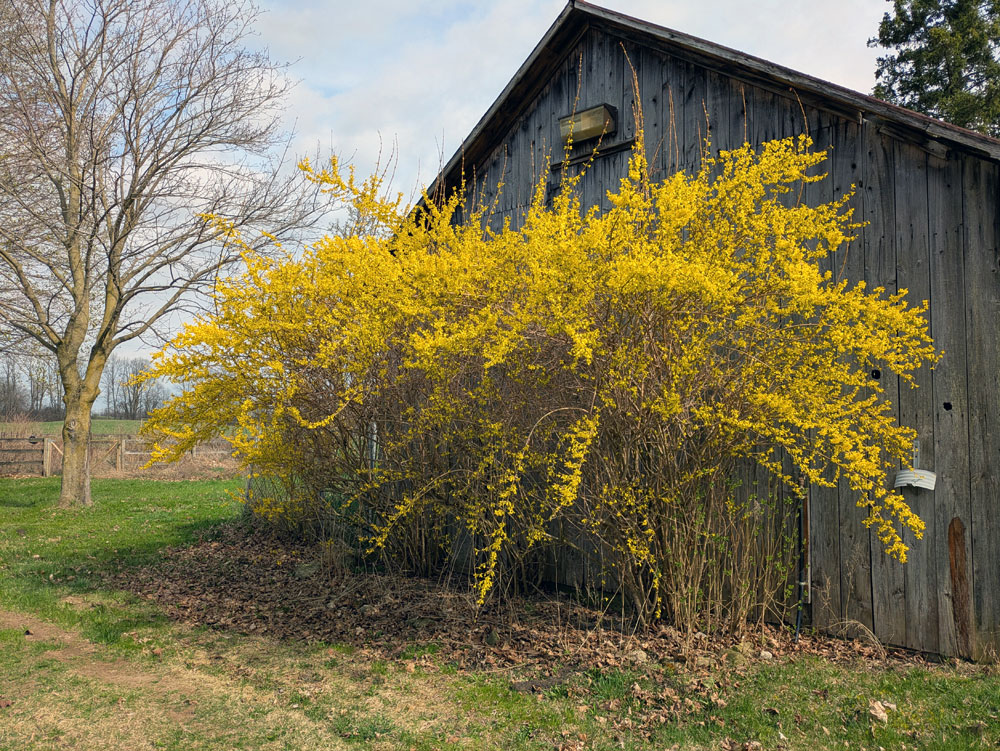
I have been slowly working my way around the barn for years, clearing brush from along the foundation and mowing closer and closer. I was able to get a few loads of dirt this summer from the landscaper who did our patio. He dumped them at one corner of the barn where the grade needs to be adjusted. The corner also held a bush, a wire fence and an old split rail fence. I’ve tackled most of the fence and have just one post left to pull. The bush needs a bit more time with the saw and perhaps a shovel. Then I need to spread the dirt and finally finish this corner.
Driveshed siding
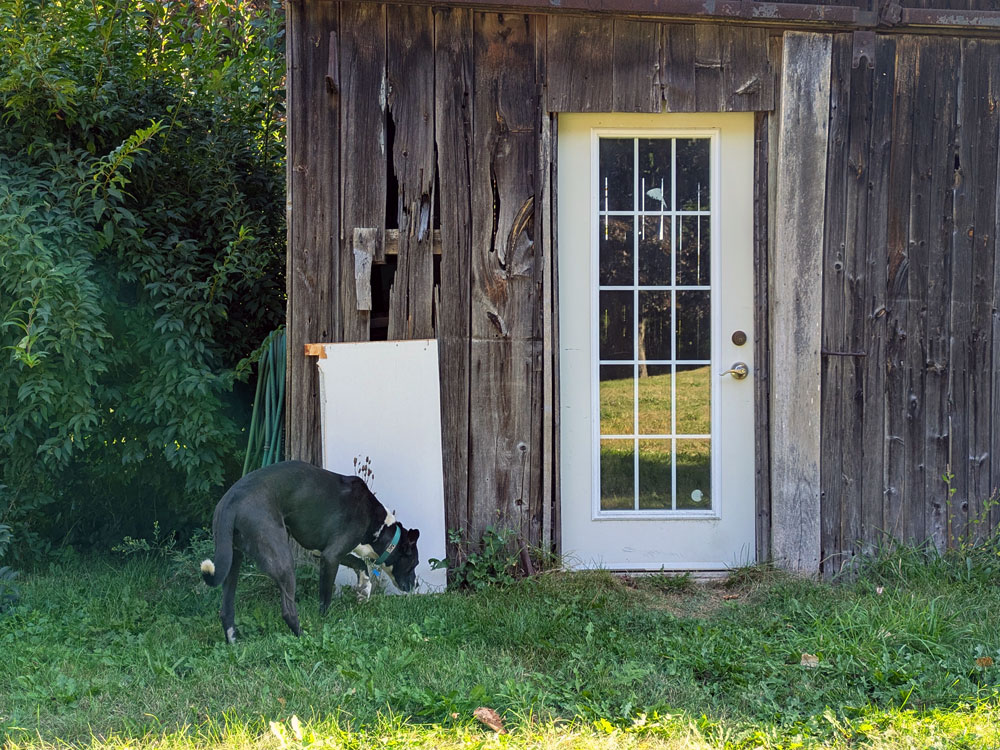
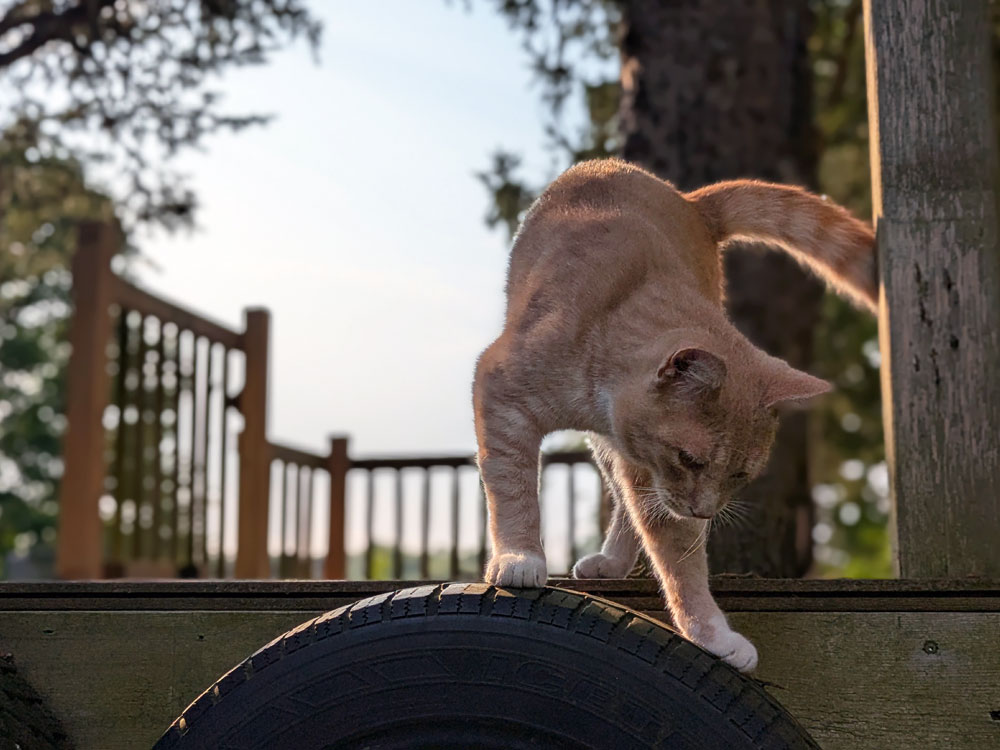
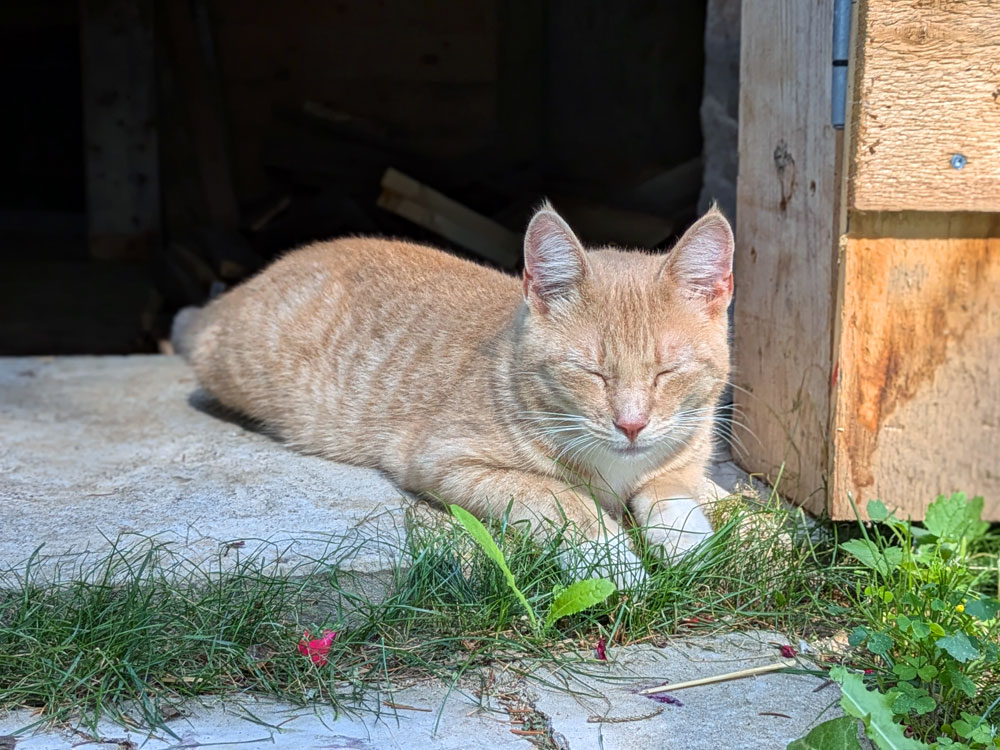
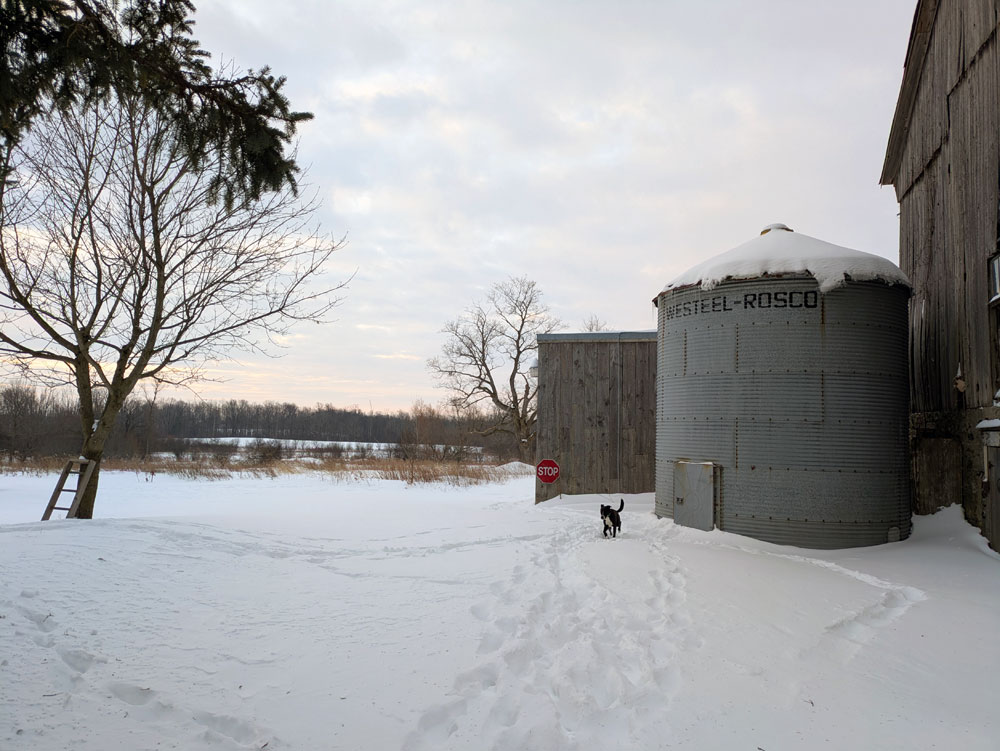
Some time ago (I’m talking more than a year), I noticed some boards on the driveshed were in rough shape. Just how rough became obvious when Cigo got into the driveshed while the door was locked. I didn’t know where he was, called his name and he popped out through the wall. I blocked the hole with a piece of plywood, but I need to do a proper patch with actual siding.
Mowing
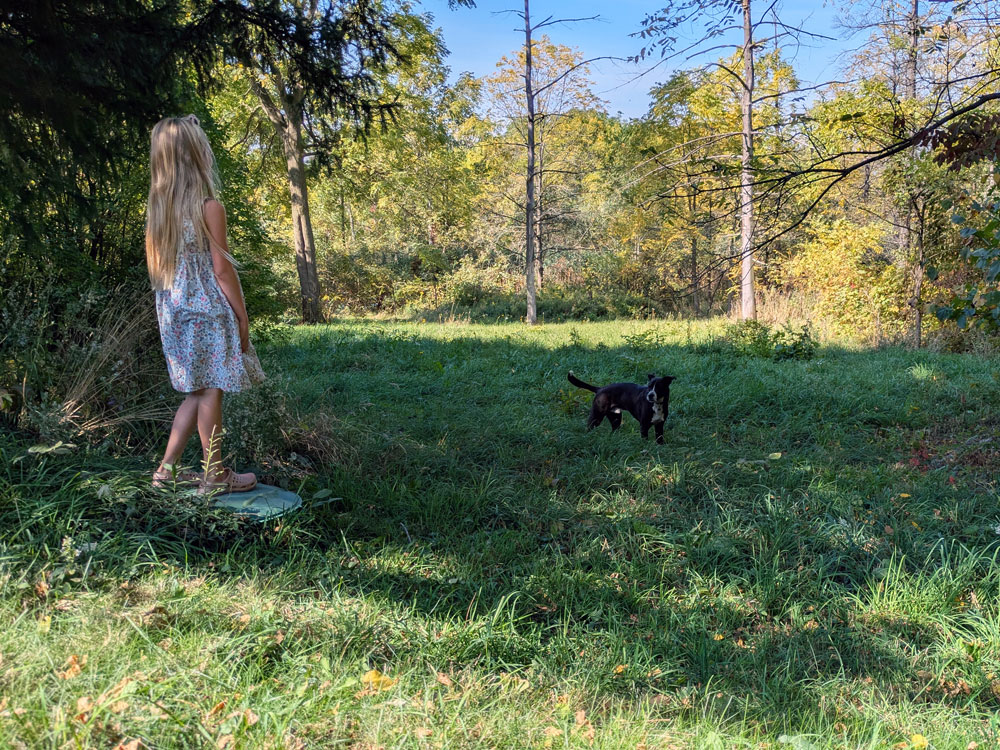
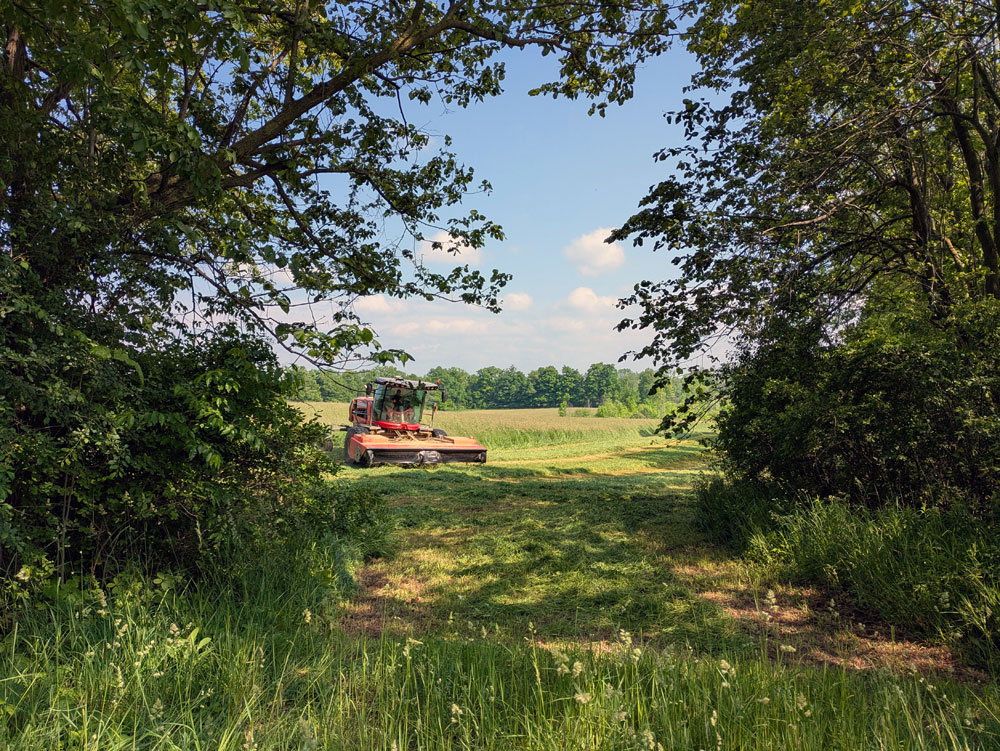
I’ve made good progress at clearing the septic bed and alongside our front field over the past few years. To keep them clear, I need to mow them a few times a year with our big rotary cutter. I’ve done them once, but I want to do one more cut. Given that I haven’t cut the main grass at all this month, this is perhaps a bit optimistic. I feel like I have one more mowing in me, and while I have the tractor out, surely I can hook up the big mower and get it done. Right?
Brush chipping
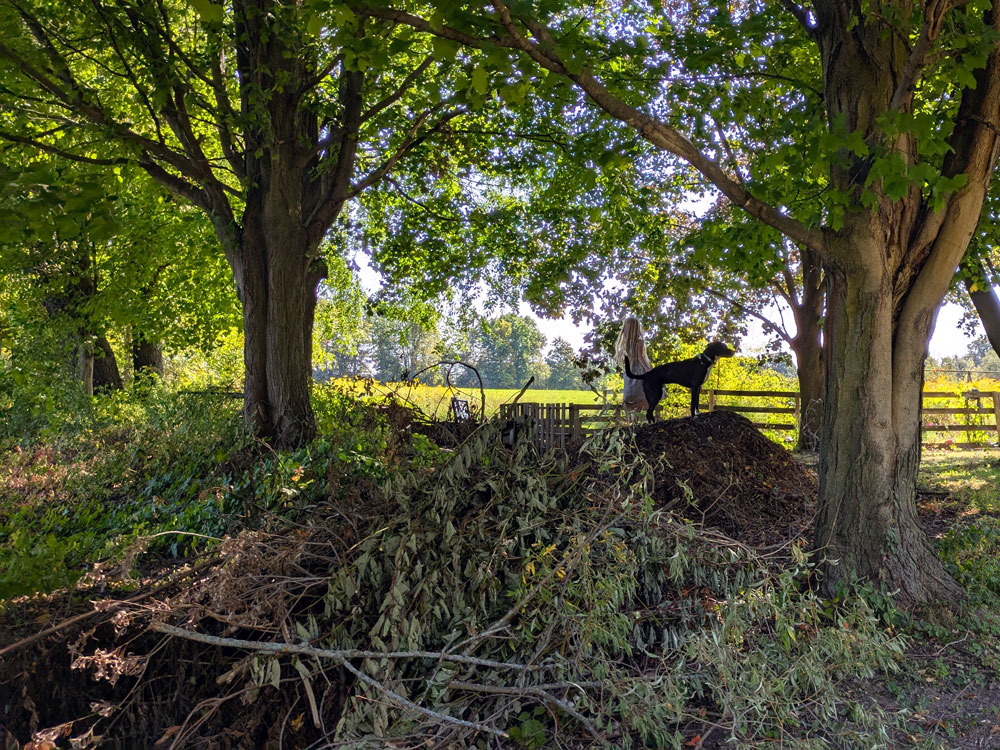
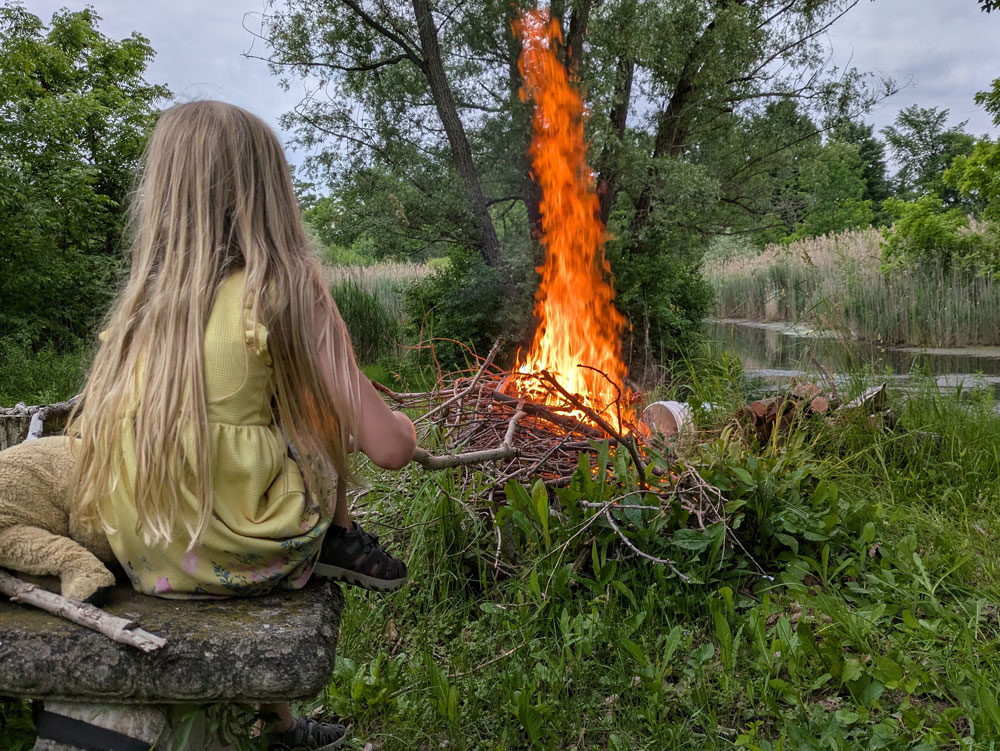
After I disconnect the rotary cutter, the next attachment in line is the wood chipper. As always, I have a brush pile. In previous years, this pile has grown extremely large. If I can chip once a year, the pile will stay under control.
Swallow shutter
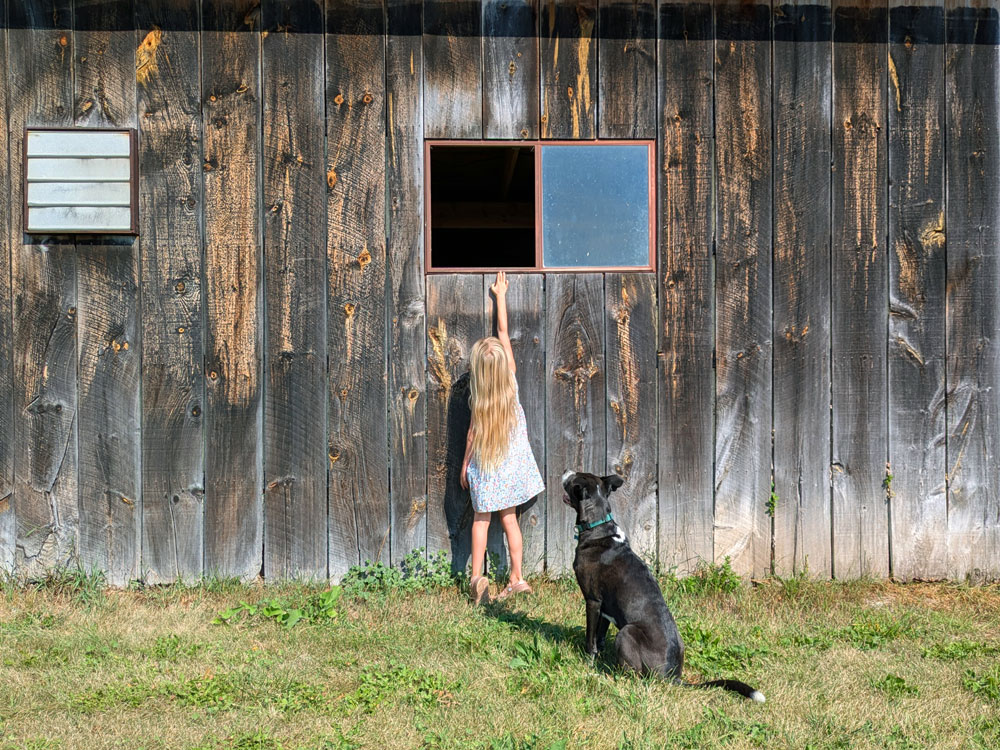
My final task is back at the barn. I uncovered a broken window on the back of the barn in the spring, so that the swallows would be able to get into the barn to nest. It worked well, but I now need to close it back up. I’d like to make a shutter so I can open the window again next spring. However, in the interest of time and simplicity, my “shutter” may be a piece of plywood I screw in place for now.
While the clock in my head is ticking urgently, making me feel like I’m already behind, I’m reminding myself I have three months until winter officially arrives. Laying my tasks out here is one step and a helpful one. Now, I will get to work.






 Home on 129 Acres