Garden Dueling DIY Week 2

Sarah in Illinois and I have entered into a friendly competition this spring to help us get our gardens in shape. We’re now at the conclusion of week 2 of this Dueling DIY. (Week 2 already, yipes!) Sarah is here today to share her first official update. You can check out all of the previous posts here.

Lots of rain and cool weather has continued here, and I was running out of time to work on this week’s challenge. I was getting nervous because I could just picture Julia having beautiful weather and getting ahead of me. (Ha-ha-ha. Be afraid, Sarah. Be very afraid). I was able to do a second till of the garden Tuesday before another round of rain came through, but that was as far as I had gotten.

However, the forecast called for perfect weather Sunday, and I had a list a mile long to work on. Of course at the top of the list were projects on our challenge. I can’t mark very much off of the list yet, but I sure got a great start.

The first thing I did was divide up my two big mums and spread them around the deck.

Splitting mums

I was easily able to make 7 different clumps of plants. I dug holes and planted them and watered them well.
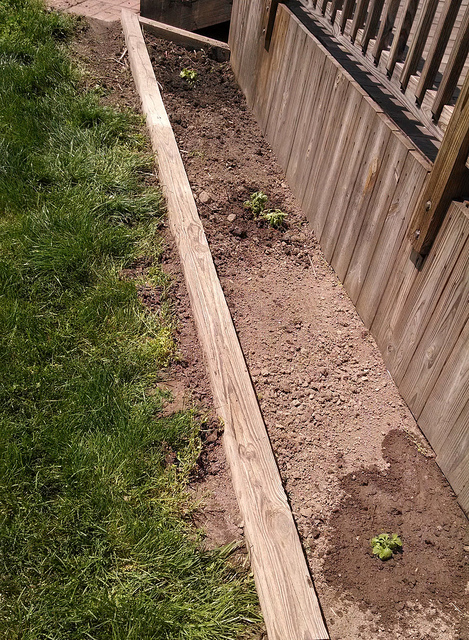
Transplanting mums

While I was doing that, Steve changed the oil and put new blades on the mower. Then I mowed while he tilled the garden for the third time and then we decided where our “annual garden” would go.

We made a few first passes over then new garden, but I still have to make some type of borders and plant it.

The foreground is our new bed for plants that won’t get tilled up every year such as strawberries and asparagus and in the background is our yearly vegetable garden. You can see the fencing ready for the cucumbers and sugar snap peas. And in front of it is the hill for our row of potatoes.
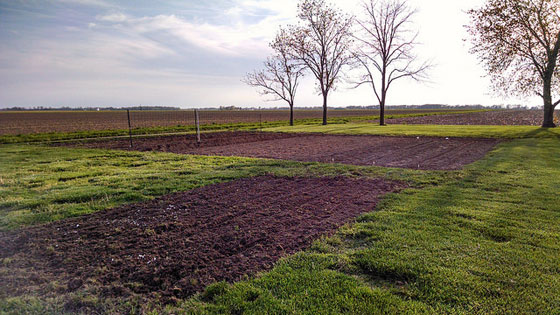
Tilled garden

The beautiful weather also meant it was time to bring out our deck furniture from the barn. I got everything scrubbed and hosed off. I let it all sit in the sun to dry and then we set it up on the deck. We finished our hard day of yard work with brats and shish-kabobs on the grill and ate it outside on the deck. It was a perfect end to a perfect day.

Despite all of that hard work I was only able to check one thing off of my challenge list:

  • Make some kind of designated area (possibly raised bed) for perennial vegetables such as asparagus and strawberries.
  • Neaten, and define north flower bed and add mulch.
  • Divide mums and spread around deck
  • Make a designated gardening area complete with workbench.

It may not look like much was accomplished, but I am setting myself up for the kill! So how was your weekend, Julia?

Oooh. See how she throws in that little jab at the end? We’re pretty much tied up right now. Sarah and I have each officially crossed just one thing off our lists. However, I have big plans for both Matt and me this coming weekend. Watch out, Sarah.
Sprouts

Sarah in Illinois will be sharing her update in our Dueling DIY gardening challenge later this week. I couldn’t help sharing a small–very small–garden update of my own today.

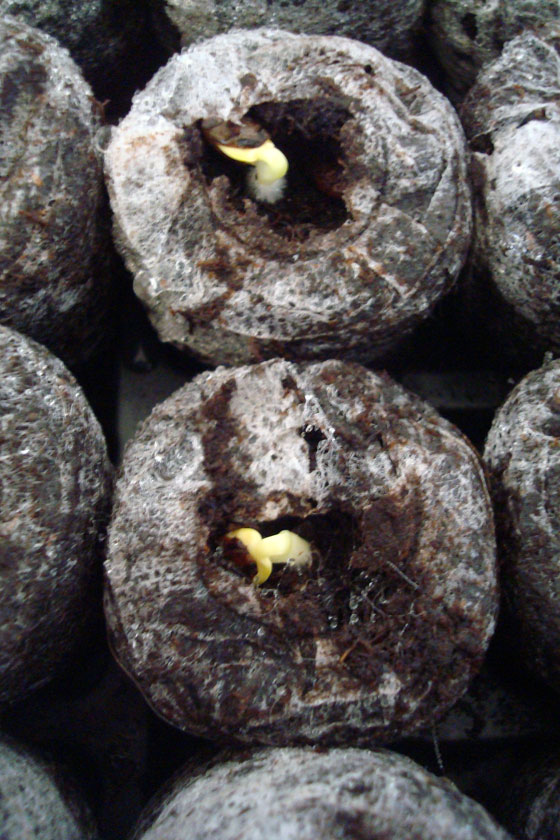
We have sprouts!

Watermelon sprouts

Two of the seeds we planted last week have sprouted. These are sugar baby watermelons.

There are 36 little soil pellets in this container, so we have a lot more sprouts to go. And we have a long way to go until the garden is ready for these sprouts. Dueling DIY continues.

Do you have any sprouts at your house? Have you ever used pellets like this before? (This is our first time). Any watermelon growing tips?

Garden Dueling DIY Week 1

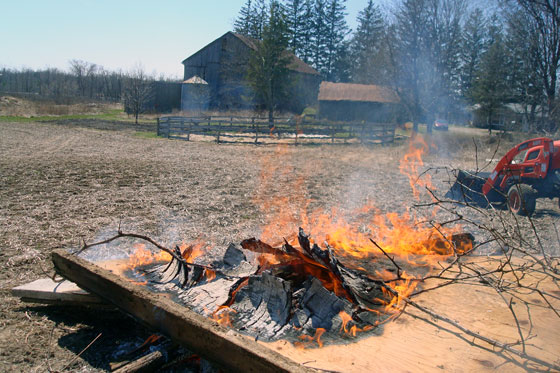
Fire in the field

In this Dueling DIY garden challenge, I am on fire. Literally.

These were my jeans at the end of Saturday.

Burned cuffs on my jeans

And this was the back of my neck at the end of the weekend. Ow-ee.

Sunburned neck

If you’re new to this Dueling DIY series, Sarah in Illinois and I are undertaking some friendly competition to help us get our gardens in shape this spring. You can check out all of the previous posts here.

Now, if you look again at that top picture and squint through the smoke, you might notice that the fire is some ways away from the garden itself–that big round thing with the fence around it.

Fire in the field

Blame it on my pyromaniac tendencies. Blame it on the other outdoor task on my 2016 Home Goals list–general property cleanup. Blame it on the first nice weather of the year. I got a little bit distracted over the weekend.

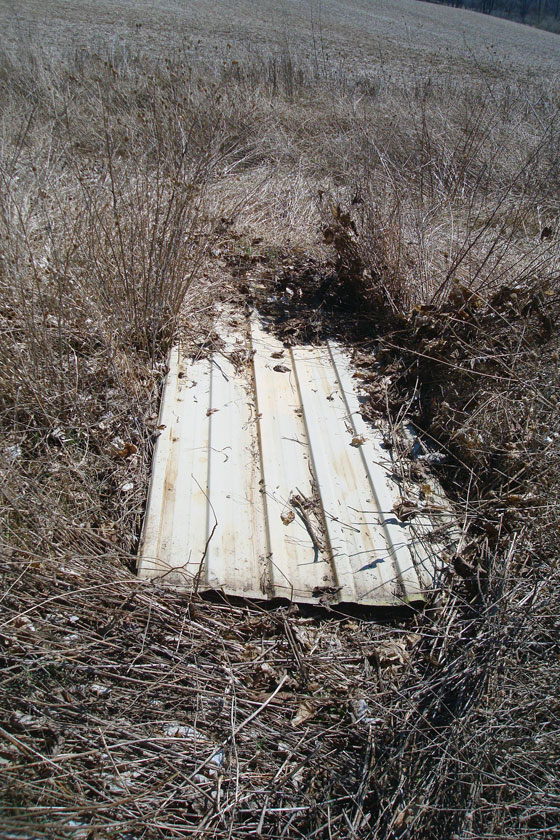
I cleared a stack of about a dozen incredibly heavy metal siding panels that had been hiding in the weeds on the south side of the garden.

Sheets of metal siding

Wiley and me moving the siding

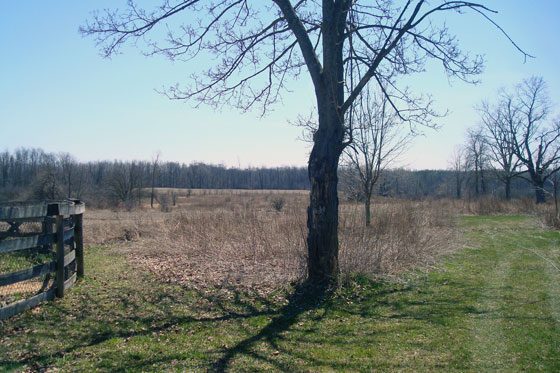
Then I cleared the weeds themselves–using my preferred method of fire.

Burning weeds in the south field

Burning weeds in the south field

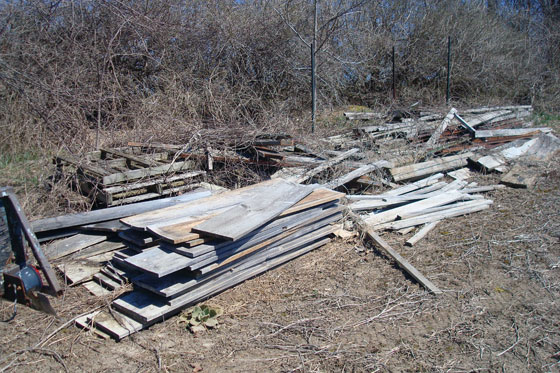
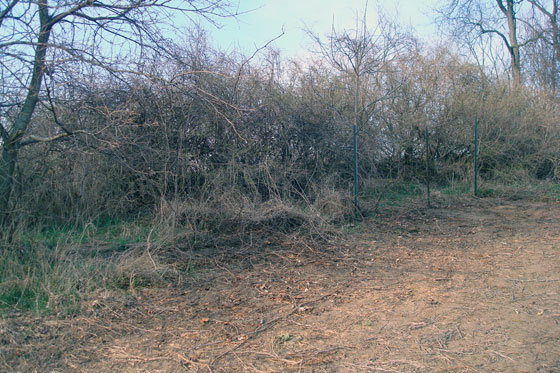
I cleared a very large pile of lumber at the edge of our centre field–and lit some of the really punky stuff on fire. (I might have a problem).

Lumber pile at the edge of the field

Field after clearing the lumber pile

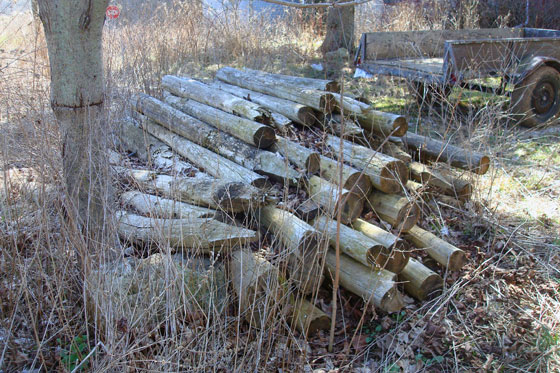
I cleared a stack of old fence posts beside the driveshed.

Pile of old wood fenceposts

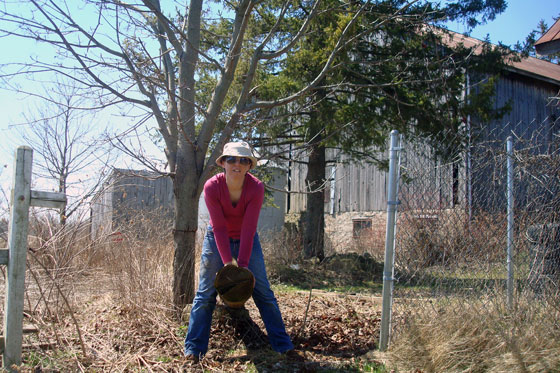
I’ve moved these fence posts once before, picking them up from where they were scattered around the property and tucking them behind the driveshed. I had to remind myself a couple of times that I had moved them before, and I could move them again.

Moving the fenceposts

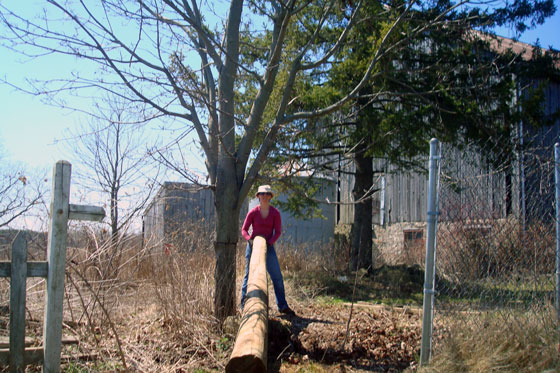
These things were heavy. The very last one was the girth and almost the length of a telephone pole–not even close to a fence post. Example 8,694 of why I don’t need a gym membership.

Moving the fenceposts

But I digress. All of these clearing tasks do actually have something to do with the vegetable garden.

The fence posts are going to become the “curbs” around the outside of the garden and the raised beds.

Some of the lumber from the field is going to be trellises for the tomatoes and stakes to hold the curbs in place.

The metal T-posts that were mixed in with the lumber pile are going to be the trellises for the raspberries.

So my big accomplishment in this Dueling DIY is that I have amassed all of my materials. A whole lot of materials.

Materials for the garden update

My other accomplishments are on the non-heavy lifting side: I ordered seed potatoes and grape vines, and we’ve started some watermelon, tomato and pepper seeds inside.

Here’s my original to-do list that I shared last week. I can cross just one thing off.

  • Hang the gate
  • Edge the garden
  • Build raised beds around the perimeter
  • Build trellises for the raspberries, tomatoes and squashes
  • Start a few seeds indoors
  • Till in the ash, straw and manure currently spread over the garden

But here’s how I’d calculate my scorecard so far:

  • I cleared the weeds from a space roughly equal to the size of the garden. Maybe this means fewer weeds to go to seed and infiltrate the garden itself.
  • I am prepped–and stocked–in the garden materials department.
  • I moved a telephone pole all by myself–in fact the equivalent of several telephone poles if you put all of those fence posts together.
  • And I lit myself on fire.

Beat that Sarah.

Thanks to everyone who shared their garden/spring to-do lists last week. Please share your progress. How is your spring project coming? Are there any pyromaniacs out there? Who else gets distracted from the primary project? What are you working on in your garden?

Spring Garden Dueling DIY – The Challenger

This week I kicked off a Dueling DIY Challenge to help get the vegetable garden ready for planting. Sarah in Illinois is my opponent in this challenge, and she’s here today to share her to-do list. Another Sarah, she of Ugly Duckling House and one of the original Dueling DIYers, issued another challenge yesterday–she admonished Sarah and me to “throw down.” I’m not usually one for smack talk, but I’ve seen Sarah’s to-do list, and I think I’ve got this.

There’s nothing I love more than a little friendly competition, whether it is during bowling league, golfing, or predicting the outcome of professional football games. So when Julia suggested a competition that would also help me get my garden and yard in better shape, I was all for it.

Last weekend I looked around the yard and garden and made a list of things that I really want to get done.

Our temperatures have been unseasonably cool so far so I still have not made any type of raised bed or containment for my asparagus and strawberries. Remember I stuck them in a pot temporarily? Well, they are not going to last there much longer.

Asparagus and strawberry plants

If you look closely, the strawberries are already blooming. And I really don’t know what to say about that asparagus other than it needs planted badly!

I have a small flower bed on the north side of our house that needs some attention. It needs mulch and the division between it and the yard either needs neatened up or maybe a more permanent border.

I shared this picture of my mums back in October and said that I wanted to divide them and spread them around our deck. Now that they are starting to come up, it is time to do just that.

Deck with mums

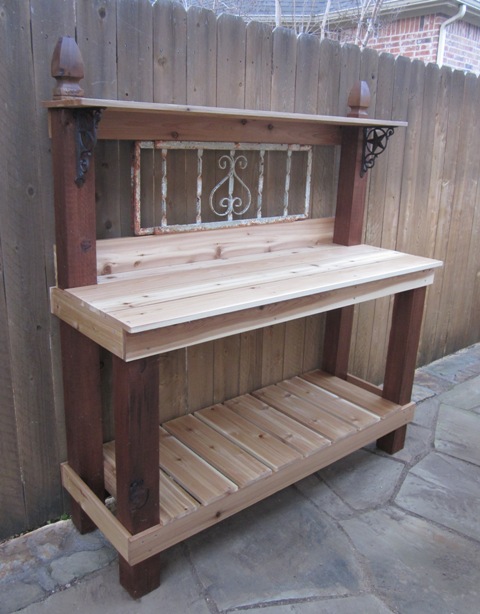
For my final and most ambitious project, I want to make a designated gardening area. I have pinned a few gardening benches on Pinterest.

While cleaning out one of our barns this weekend I found what will make a perfect bench top and that gave me the kick to get started on a work area.

So here is my summary:

  • Make some kind of designated area (possibly raised bed) for annual vegetables such as asparagus and strawberries.
  • Make a designated area (or raised bed) for a new cutting garden.
  • Neaten, and define north flower bed and add mulch.
  • Divide mums and spread around deck
  • Make a designated gardening area complete with workbench.

I am inspired Julia, let’s go!

Let’s go indeed. Bring it on, Sarah.

The woman can’t even control her asparagus. Yup, I’ve got this.

Vegetable garden dueling DIY challenge

I’ve been eagerly waiting to get back into the vegetable garden, but Mother Nature has not cooperated so far this spring. In fact, we had snow three times in the last week, negative temperatures and windchills.

But I’ve decided it’s time. No matter what Mother Nature thinks, gardening is going to happen.

Now I’m in Canada, so it’s not going to happen for a little while. The traditional start date for the Canadian gardening season is Victoria Day–also known as May 24 (or the 23rd this year because we’re all about the holiday Monday).

That’s six weeks away, which I think is perfect. There’s lots of work to keep me busy until frost has passed.

Garden at the beginning of April

It turns out, I’m not the only one with a gardening to-do list. Sarah in Illinois has one too. Inspired by DIY Diva and Ugly Duckling House, we’re kicking off a Dueling DIY challenge. Today, I’ll share my spring garden to-do list. On Wednesday, Sarah will share hers. Every week from now until Victoria Day, we’ll post progress reports and help keep each other on track.

We hope that you’ll join in too. Share your to-do list in the comments today, and come back each week to share your updates.

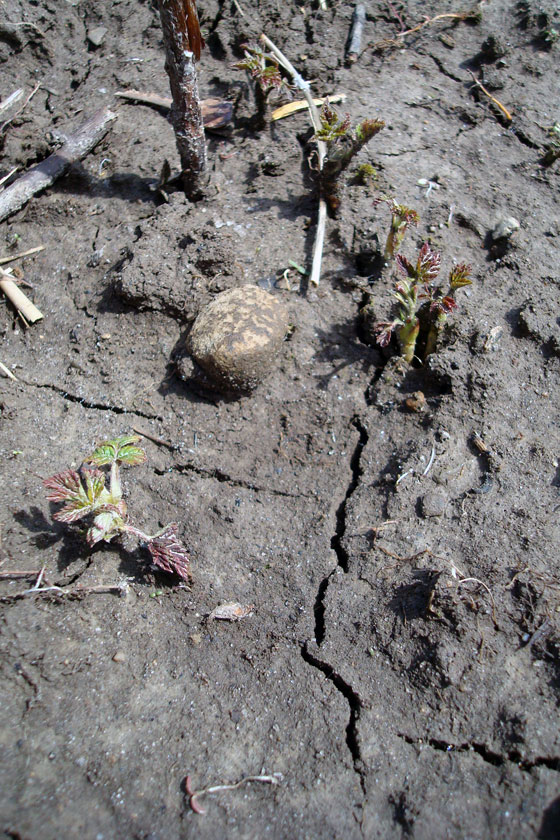
Raspberry canes sprouting

Here’s what I want to accomplish in the next six weeks:

  • Hang the gate
  • Edge the garden
  • Build raised beds around the perimeter
  • Build trellises for the raspberries, tomatoes and squashes
  • Start a few seeds indoors
  • Till in the ash, straw and manure currently spread over the garden

And a couple of maybes:

  • Weather permitting, plant grapes and potatoes
  • Run a waterline out to the garden (this one’s Matt’s… I’m not sure he’ll be as enthusiastic about Dueling DIY as Sarah is)

I think it’s do-able. I just need a little co-operation, Mother Nature.

Are you looking forward to gardening season? Or do you have another spring project? What’s your to-do list?

Surprise pussy willow

Growing up, an elderly lady lived next door. She couldn’t take care of her gardens very well, so things ran a bit wild. At the very back of her yard at the end of one of the overgrown flowerbeds was a huge pussy willow bush.

I loved that bush and its unique fuzzy flowers. And I’ve always wanted a pussy willow of my own.

This year I think I might have one.

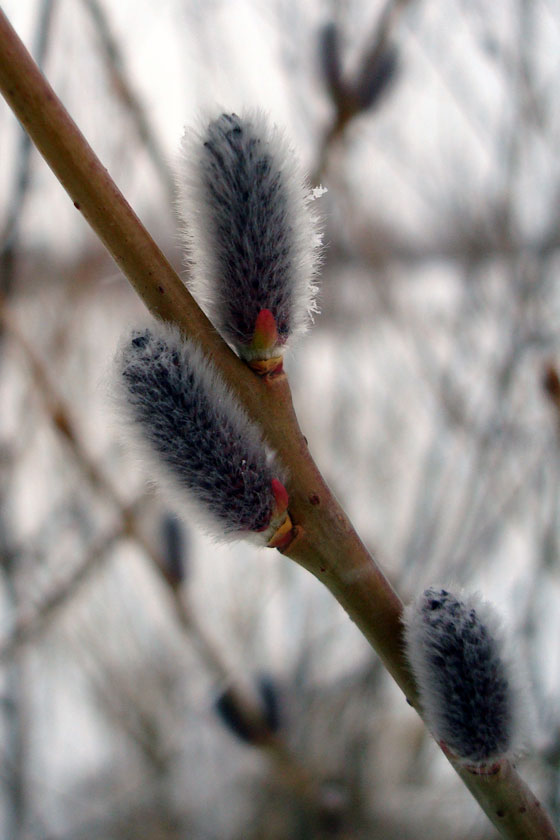
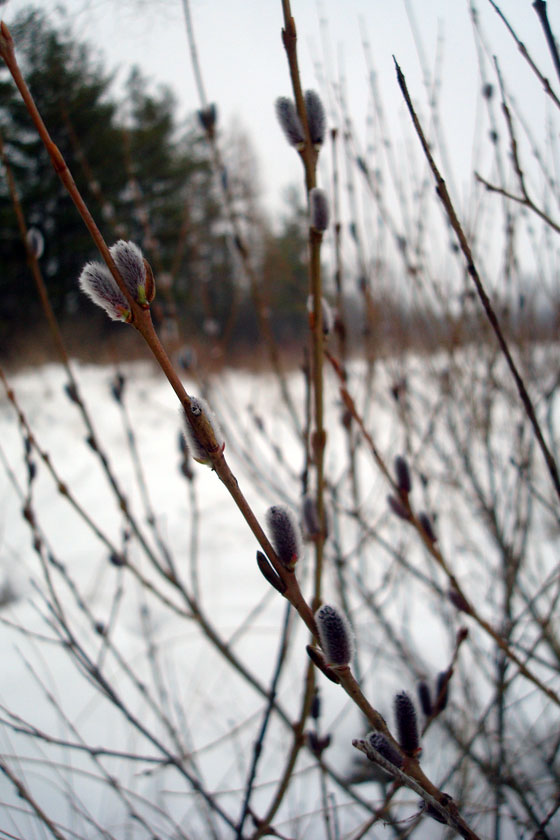
What looks like a pussy willow is growing in the creek alongside the driveway.

Pussy willow

Pussy willow

Pussy willow

The flowers–can I call these fuzzy things flowers?–are perhaps a bit sparser than the pussy willow of my memories, but other than that they look the same.

Anyone know if I can transplant this from the creek? I’d like to put it in one of the flowerbeds that are closer to the house.

April 2

April 2 has become my barometer of how spring is going to go.

The first year we moved to the farm, the forsythia was blooming on April 2. It hasn’t been that early since.

Each year I take a photo of the forsythia on April 2 and try to evaluate how long until we see blooms.

Given the mild winter we had this year, I’m thinking the forsythia might be close, but so far there’s no sign of the yellow blossoms.

You might recall that the past two years haven’t been great for our forsythia. The yellow blossoms have been few and far between. I gave the bushes a pretty vicious pruning last spring in the hopes that it might encourage some new growth.

We have what I think might be a few buds. And you can see where I hacked off the woody stalks.

Forsythia buds

Things were looking a little green around the farm, but then we got a dusting of snow Saturday morning.

Forsythia early spring 2016

It had mostly melted by afternoon, but then we got several inches of snow Saturday evening and more snow rolled in yesterday afternoon, so we’re back to winter now.

Forsythia bushes covered in snow

Looking at the pictures from April 2 going back to 2012, the snow rather than the forsythia tells the story of what kind of winters we’ve had.

Collage of forsythia through the years

Just a week ago, the forsythia was coated in ice, thanks to the ice storm.

Ice covered forsythia blossoms

So far, this spring has been very up and down. I’m not making any predictions of when the forsythia will actually bloom.

What’s spring been like where you are? What signs of spring are you watching for?

Harvest basket

Sarah in Illinois is still looking ahead to garden season. In fact, she’s looking far ahead to harvest time. She’s made a super cute harvest basket. I’ve admired these on other blogs, and I love the special twist Sarah added to hers (read on to find out what it is).

I have several projects pinned on Pinterest that I have wanted to work on, but making a harvest basket has been at the top of my list for a while. I have a few images pinned.

I did not click on any of the pins to know what kind of instructions they give. I just used the images as a guideline to make my own.

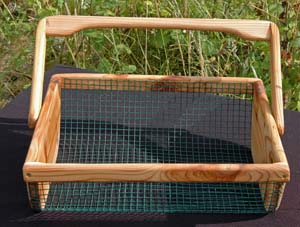
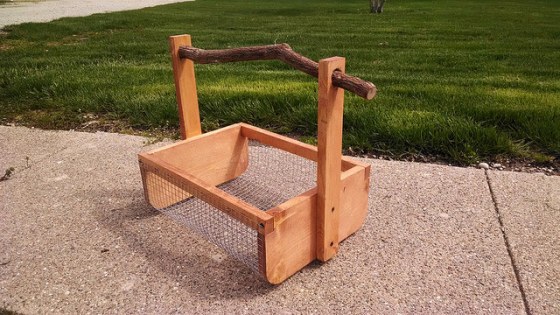
Wooden vegetable harvest basket with a twig handle

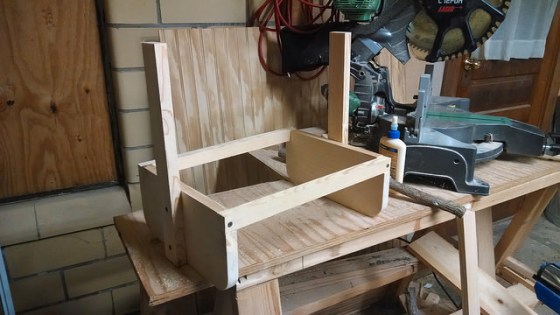
I started with cutting two boards for the sides and two boards for the uprights that would hold the handle. I took no measurements. I just “eyeballed” what I thought would be a good width and what I thought would be a good height. I am sure there are much more precise directions on Pinterest.

How to make a wooden vegetable harvest basket

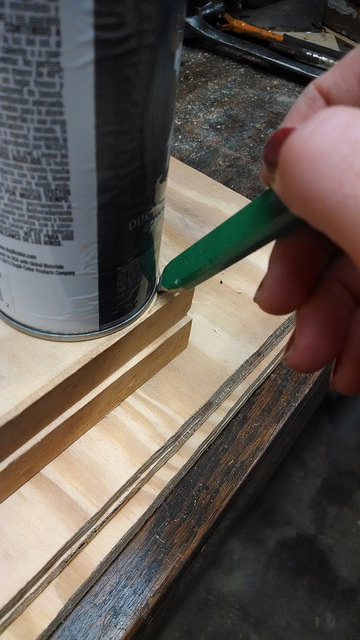
I wanted the bottom to be rounded so that it was easier to attach the hardware cloth. So I used whatever I could find (which happened to be a can of spray paint) and drew my rounded corners.

How to make a wooden vegetable harvest basket

I wanted the sides to match so I clamped both boards together and cut the rounded corners with a jigsaw.

How to make a wooden vegetable harvest basket

I also needed to notch out the corners for the side rails. I did this the same way as the rounded corners, by clamping the two together and using the jigsaw.

How to make a wooden vegetable harvest basket

It was at this point that I attached everything together. The frame work was fairly flimsy, so I used both wood glue and screws.

How to make a wooden vegetable harvest basket

I could have used just a dowel rod for the handle, but in my barn are several branches. Someone took the time to find very straight ones and remove all of the limbs. And those branches have been out there since way before we moved here. So I thought they would make a nice handle.

I used a paddle bit to cut a hole in the top part of each upright. Since the limb was not a perfect fit, I used a nail to secure the limbs in the holes.

How to make a wooden vegetable harvest basket

Then I spread a quick coat of stain over the whole thing.

Wooden vegetable harvest basket with a twig handle

The final step was to attach the hardware cloth. It is very sharp so I was sure to wear gloves and used metal snips to cut a piece to size. Then I stapled it to the frame.

How to make a wooden vegetable harvest basket

Wooden vegetable harvest basket with a twig handle

This was not a difficult project. It took me about two hours and now that I have done it once, I think that I could do the next one even faster.

And I am thinking I know of a few people with gardens that might like one as a gift!

I hope that we put this one to good use this year. I can’t wait to take it out to our garden and fill it with fresh vegetables for supper.

Isn’t that a great basket? I love the twig handle so much. Clamping the wood together and cutting it as one is such a smart way to get precisely identical pieces. Oh, and I think I know at least one person with a garden who would absolutely like a harvest basket like this! 😉

Starting from seed

Sarah may be in Illinois, but her mind is in the same place mine is–the vegetable garden. However, Sarah’s doing something that I’ve never tried before–starting her own plants from seed. She’s sharing the lessons she’s learned and the progress she’s made so far.

Every year Steve and his parents have grown a very large garden. And when I came along six years ago, I jumped right in to help and have become more and more interested every year.

I had always planted a few tomato and pepper plants before, but until I started helping at Steve’s I had never seen broccoli, or cabbage or brussel sprouts growing in a garden.

For several seasons I have tried to start plants from seed. And that usually starts off great and then fails miserably.

Steve likes to say that I have a “brown thumb” but that isn’t really true.

I just am terrible at hardening off the starts. I am impatient, and I am forgetful! So I push plants to be ready when they are not, and I forget to water them or forget to bring them in during the hardening phase.

This year I am going to use my “word for the year” that I mentioned around New Year’s and I am going to FOCUS on the hardening off process.

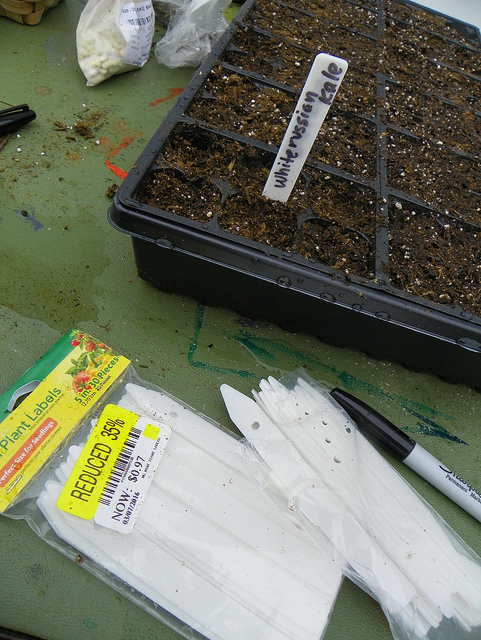
Starting plants from seed

This weekend I started my first seeds. I looked up online when the last predicted frost for my area will be and it said April 18. So I thought this was the perfect time to start some kale and lettuce.

Now I am going to make note here for the future that Steve says his farming sources predict a late frost for us and that we could get a frost up until May 5. That is a huge difference and I am really curious which source will be more accurate.

Over the next week or two, I plan to also start tomatoes and pepper plants from seed.

I found some plants on sale and used a black marker to label them. I was sure to not only write the variety of the plant but on the back I also wrote the brand of the seed. That way I can make notes of which seeds worked best and then I will have reference of where to buy my seeds in the future.

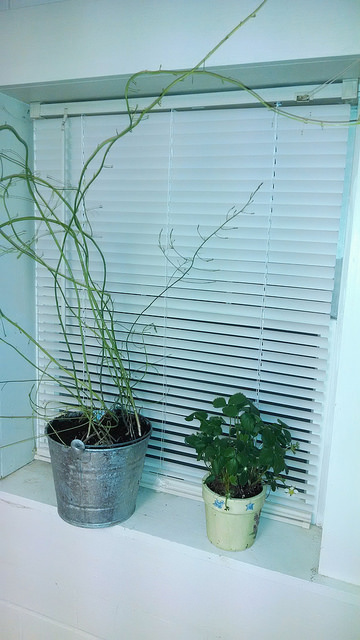
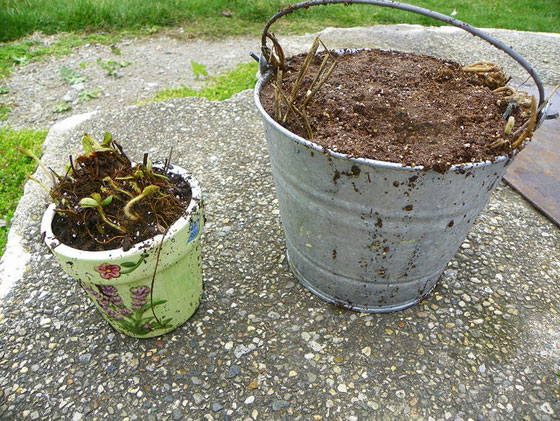
My mom and I had placed a small order for seeds and plants and those arrived last week. So besides the kale and lettuce seeds, I also had to do something with the strawberry and asparagus starts that I had ordered. Since I do not have my raised beds ready yet, I just stuck them in a bucket and pot temporarily. But now making those raised beds needs to be a priority.

Strawberry and asparagus starts in a bucket

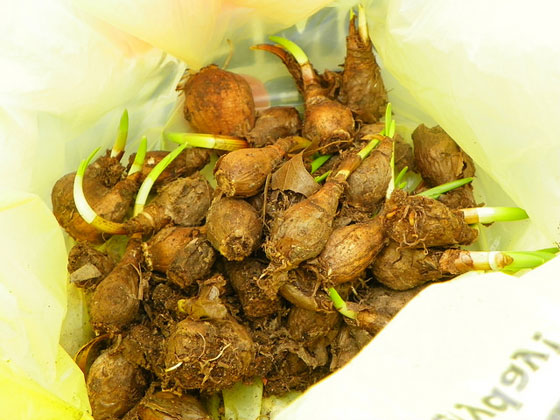
While I was digging through my gardening supplies I found a grocery bag with daffodil bulbs from last fall. So when I say I am forgetful, I am not exaggerating.

Daffodil bulbs

I stuck them in the ground since they were still alive, and I reminded myself that “FOCUS” has to remain my theme!

Next post I will update with the progress of my seeds.

Do you have a green thumb or a brown thumb? Do you have any helpful hints for the hardening off process? Do you have trouble staying focused?

Good luck, Sarah. Funnily enough, plants are one area where I get impatient or forgetful too. I hope you find your focus this year. I’m looking forward to following your progress–and seeing who’s right about the last frost.
No till vegetable gardening

The no till philosophy has gained traction in farming. The more I learn about vegetable gardening, I’m realizing no till also applies on a smaller scale.

If you’re not familiar with no till, it basically means undisturbed soil is healthier soil.

Our experience with our vegetable garden last year really brought this home for me. We built the garden in an area that hadn’t been touched–at all–the whole time we’ve owned the farm. I don’t know how long it had been abandoned before then.

Longe ring

Inside the fence, grass and weeds grew as high as they wanted. Every fall they died. Over the winter and spring, the dead grass was matted down by snow and rain. New growth sprouted in the spring and grew high over the summer. Rooted in the fertile soil, the new sprouts fed on the previous year’s plants which were slowly decomposing around them.

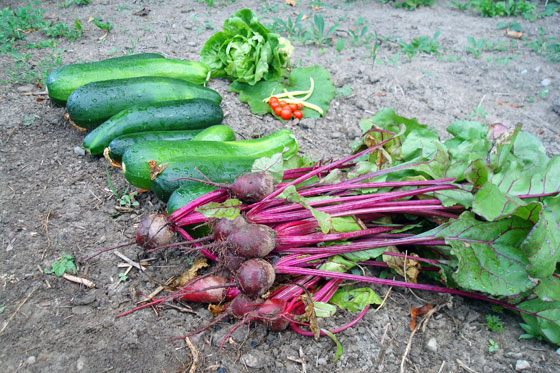
When we cleared the ring and planted vegetables in place of the weeds and grass, the vegetables went crazy. They sucked up all of the nutrients from the soil and were super productive.

Vegetable garden harvest

As the season went on and we harvested more and more from the garden, I realized that if I wanted to continue this productivity in future years, I was going to have to focus on the soil.

I’ve heard other gardeners say that gardening isn’t about growing plants. It’s about growing soil.

So that’s why I started a compost bin for all of our kitchen scraps and I spent three weeks spreading a thick layer of manure over the whole garden at the end of the growing season.

Manure in the garden

That’s also why I’m contemplating going no till.

I’m sure this isn’t entirely accurate, but I have this circle of life idea playing in my head. Whatever nutrients the plants take from the soil as they grow are returned to the soil as the plant decomposes (aside from the fruit and vegetables that we eat, of course). So leaving everything untouched and in place means we have complete soil, not deficient in any element.

Last year, I was quite excited to get our hand-me-down rototiller. But the more I learn about gardening, the more I wonder if we should be using it.

Matt and I tilling the garden

I’ve read a bit about the deep mulch method. It’s supposed to be good for weed control, retaining moisture and also for returning nutrients to the soil. (See The Prairie Homestead and Reformation Acres for some info).

We already have a deep layer of straw on the garden thanks to the manure spreading, so maybe we can build on that. My plan is to work towards something like the raised row method from Old Word Garden Farms.

Anyone have experience with no till or mulch gardening? Aside from the health of our soil, my biggest concern is weeds. Any tips for dealing with weeds?