Musings and a frosty dawn

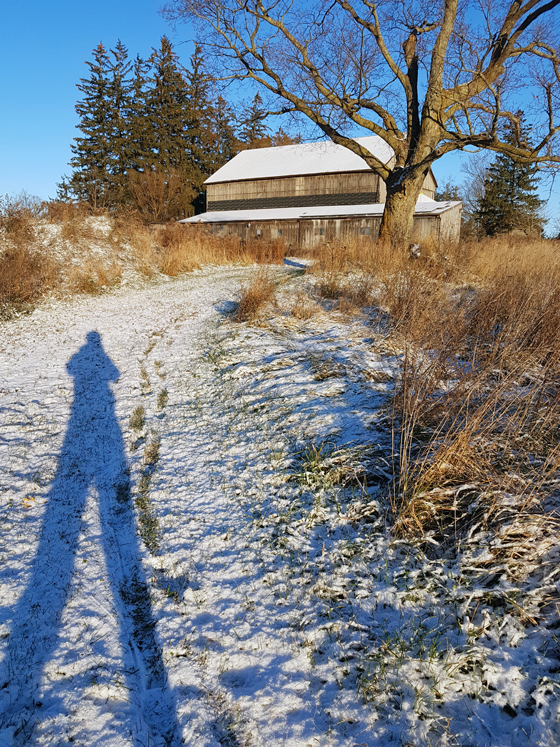
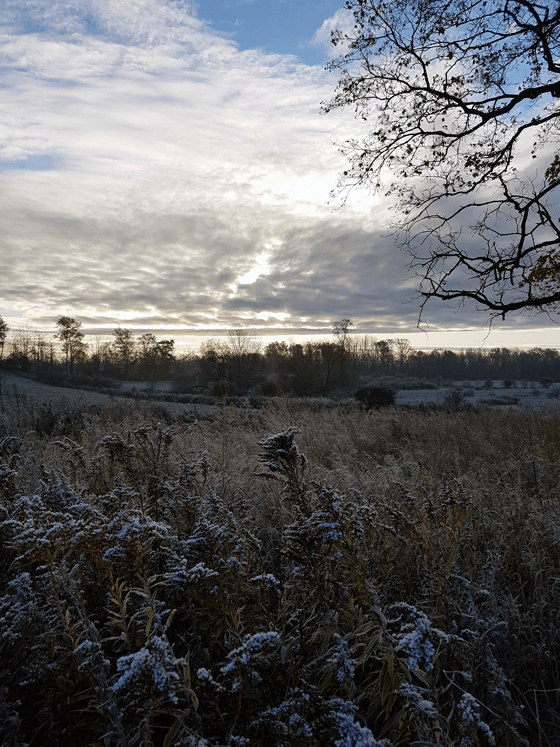
Frost covered fields at sunrise

Slowly winter is creeping in at the farm. This weekend will be filled with some more work outside as we try to get everything wrapped up before freezing temperatures are here to stay. Mixed in of course will be hot chocolate breaks and cozy nights in front of the fireplace.

I hope that you enjoy a wonderful weekend.

And to those of my readers still celebrating Thanksgiving, I wish you an especially wonderful holiday.

How we cleaned our chimney ourselves

Alternate title for this post “That time Matt’s Dad didn’t suffocate and fall off our roof.”

If you’ve been reading along here for any length of time, you know how much we enjoy our wood-burning fireplace and have fires nightly as soon as the weather turns cold.

It’s been three years since the fireplace was rebuilt and over that time we’ve never cleaned the chimney.

Before we fired anything up this year, I knew I wanted to address that.

Red brick chimney

Our go-to was Matt’s Dad. He heats his entire house with wood and cuts and splits all his own firewood. He’s our resource for all things fire.

He initially suggested dropping a heavy chain down the chimney and using it to knock off the soot. I was skeptical, but after a quick online search it seemed like that was a legit method of cleaning a chimney. However, consensus seemed to be that a brush was a more legit method.

Onto my Dad. I was pretty sure I remembered seeing a chimney brush and poles up in the rafters of the garage. After spending some time on a ladder peering around the garage, I found the poles but no brush.

So onto the store. I found a brush that I thought would probably fit our chimney and brought it to my parents’ house to try it on their poles. They didn’t fit together.

Back to the store, where I bought a handful of poles guessing at how many might be needed to reach the full length of the chimney.

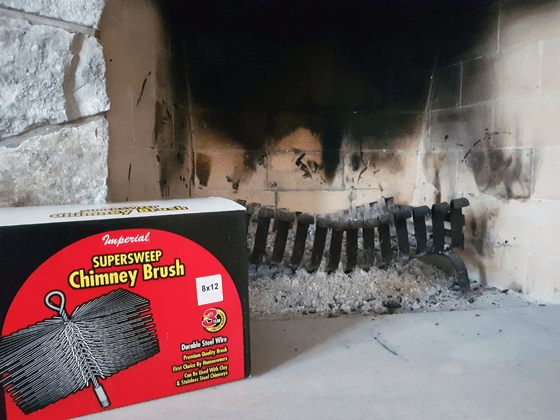
Chimney brush in front of the hearth

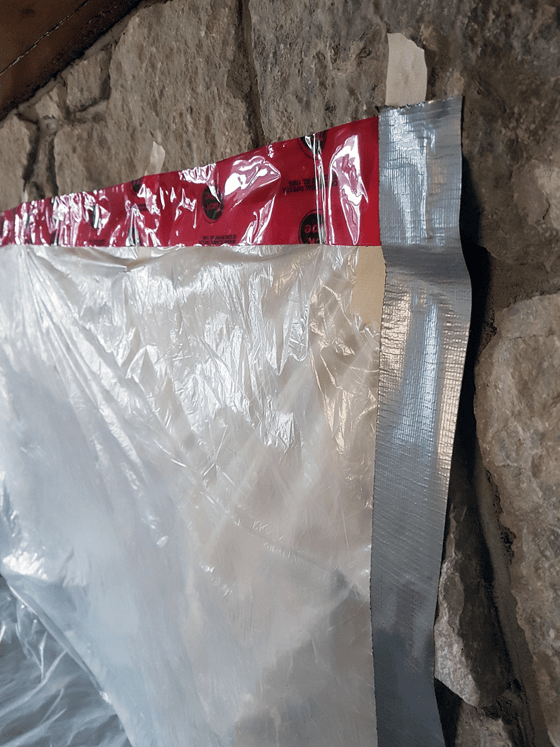
Once we had the equipment, we needed to prep the inside of the house. I cleaned out the hearth, opened the damper and then covered the mouth of the fireplace to prevent dust from coming into the house.

Covering the fireplace to prevent dust during chimney sweeping

Covering the fireplace to prevent dust during chimney sweeping

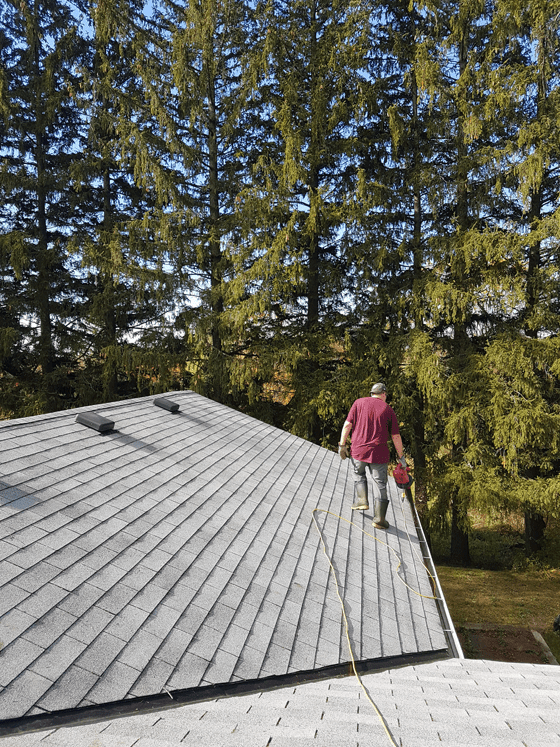
Then it was onto Dick Van Dyke Matt and his Dad. (I asked for a Mary Poppins rooftop routine, but they were not in the mood. Although Matt did give me a strong man demonstration.)

Matt goofing around while cleaning the chimney

They popped the cap off the chimney and took a look.

Taking the cap off the top of the chimney

The chimney wasn’t too dirty. You can see the flakes of soot on the flue.

Soot on the inside of the chimney flue

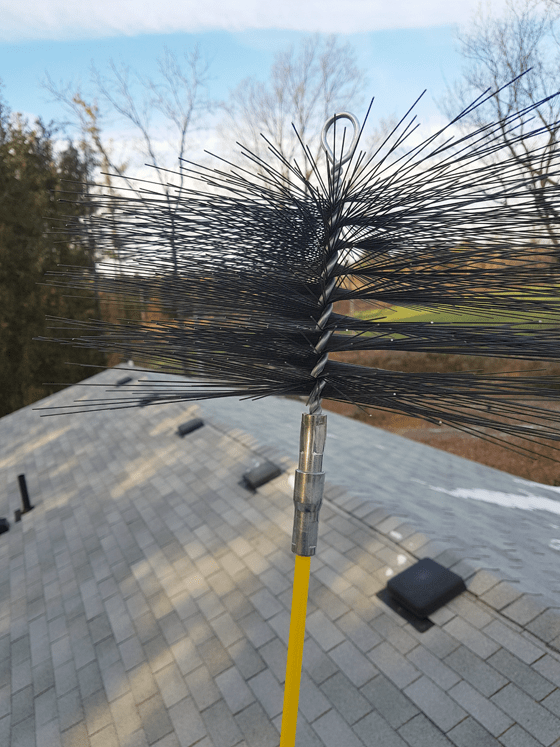
They screwed the brush onto the first pole and got ready to sweep.

Chimney cleaning brush

Then this is where the suffocation comes in. Before he stuck the brush down the chimney, Matt’s Dad stuck his head in a large plastic bag–probably one that has a suffocation warning printed on it.

Cleaning the chimney

When he cleans his own chimney, my FIL does it from a ladder, which doesn’t give him much maneuverability. Therefore, there have been times where the wind has blown soot back in his face. The plastic helps to protect him from getting entirely dirty. On our roof, they could move around to avoid the wind if necessary.

The next stage was–to quote Matt–“dunk and scrub.” (My husband loves his movie references… although the line is actually “plunge and scrub,” but my darling husband maintains that “dunk” sounds better than “plunge”… or at least it does in his version of an Irish accent.)

My FIL dunked plunged the brush up and down in the chimney until the soot was removed. As he reached the end of one pole, he and Matt screwed on another section.

Attaching chimney sweeping poles together

Once they’d done the full length of the chimney, that was all there was to it. They put the cap back on top, came inside and pulled the plastic off the opening, swept the wee bit of dust out of the hearth, and we were ready for a fire.

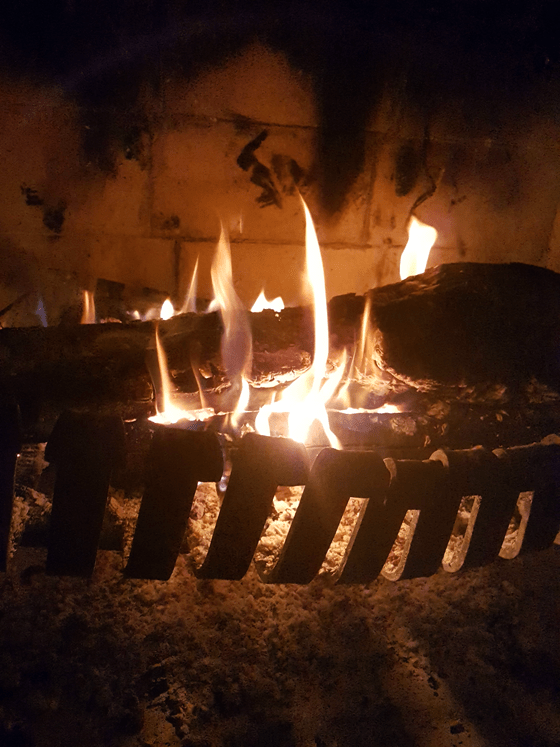
Logs burning in the fireplace

Cleaning the chimney turned out to be pretty easy (so says the woman on the ground… but seriously, I know I could do it and you can too). I’m very grateful to Matt and his Dad for their work.

Here are my tips to clean your chimney yourself.

  1. Find a brush that fits your chimney. Our chimney has a 12 inch square flue. Most of the brushes I found in different stores were smaller and round. That works for my FIL’s woodstove, but not for our masonry chimney. Eventually, I found a brush that was an 8-inch by 12-inch rectangle. Even though it wasn’t the 12 by 12 that I originally had in mind, Matt’s Dad said that it worked very well.
  2. Buy extra poles. It turns out that two poles and a long arm (to quote Matt’s Dad) are enough to do our whole chimney. I bought five because I did not want to come up short. I’ll be returning the other three.
  3. Lubricate your poles. The poles screw together so that the handle of your brush gets progressively longer as you proceed down the chimney. Before he went up on the roof, Matt’s Dad gave the threads a shot of WD40 to ensure they’d easily screw and unscrew this year and for the years to come.
  4. Cover up inside. Tape a sheet of plastic over your fireplace opening. If you have doors on your fireplace, this step may not be necessary. With our open hearth, there was a good chance that soot and dust dislodged during cleaning would float into the living room. Covering the opening with plywood or plastic helps to contain the mess in the fireplace, where you can sweep it up later.
  5. Dunk and scrub (or plunge). Jostle your brush up and down inside the chimney. Be relatively vigorous–you want to knock off all the soot–but a bit gentle–you don’t want to damage your chimney.
  6. Watch which way the wind blows. It’s probably not necessary to don a plastic hood and face shield à la Matt’s Dad. However, chimney cleaning is a dirty job (another Mary Poppins clip, anyone?), so wear old clothes or coveralls, gloves and try to choose an angle where you won’t have soot blowing in your face.
  7. Do this yourself. Chimney cleaning is an easy DIY. It took about a half hour start to finish and in total our investment in the brush and the poles is less than $100. We’ll have the equipment for years. We didn’t get a professional quote on cleaning the chimney, but I’m certain that we would have spent more than $100 if we’d hired this out.

Now we can enjoy the fireplace, confident that it’s safe and clean.

How we cleaned our chimney ourselves

First snow and first fire

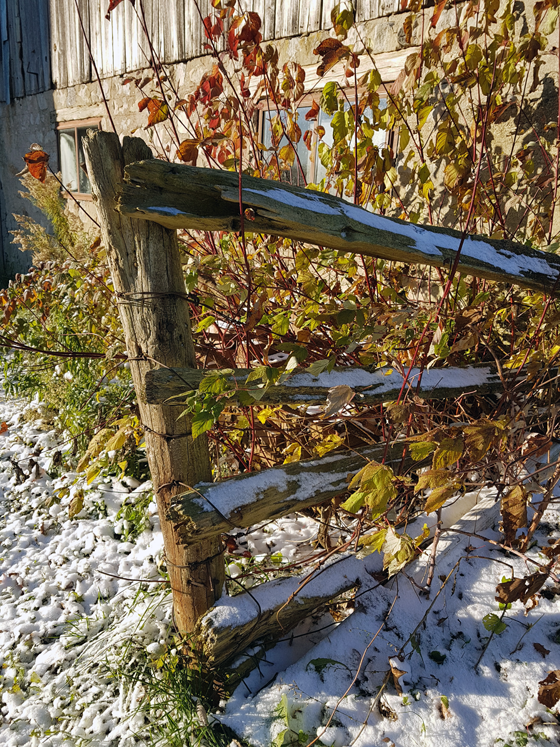
Snow dusting the split rail fence by the barn

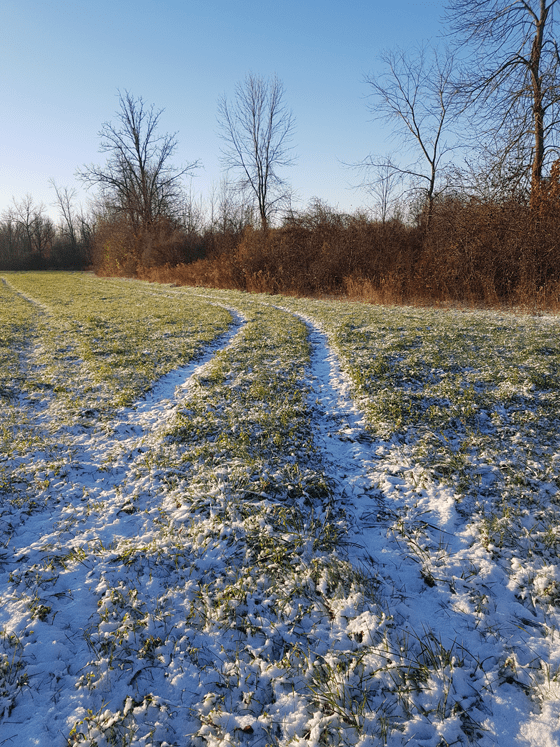
Thursday night the flurries started, and Friday morning we woke up to our first dusting of snow this season.

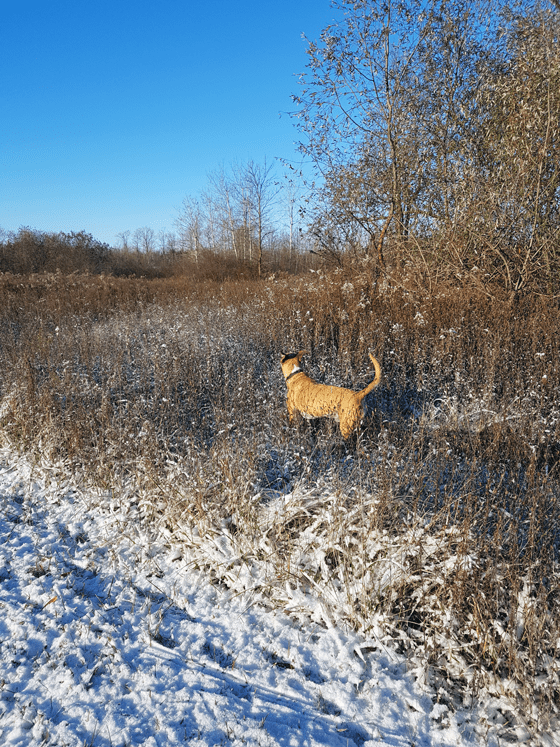
The puppy was entirely over-excited until his feet got too cold (temperatures also fell incredibly far overnight) and then he was excited run back to the warm house.

Baxter surveying the fields after the first snowfall

Tire tracks across the field after the first snowfall

Baxter surveying the fields after the first snowfall

Snow on the barn roof

After all of the cold and snow, I was very happy to also have our first fire of the season this weekend. (Yes, that means our chimney is clean. One more task crossed off our fall to-do list. How to post to come).

Logs burning in the fireplace

I’m writing this in front of our second fire of the season, enjoying a quiet, cozy wind down to our weekend.

I hope that you all had a good weekend as well. What was the highlight for you? Any weather changes where you are?

How to organize all those bags of spices

Spice organization? What blog are you reading?

Yeah. I know. Not my usual topic.

I wanted to add my 2 cents to the spice organization conundrum though. My solution is not particularly fancy or photogenic. However, it’s quick, practical, easy, useable and maintainable.

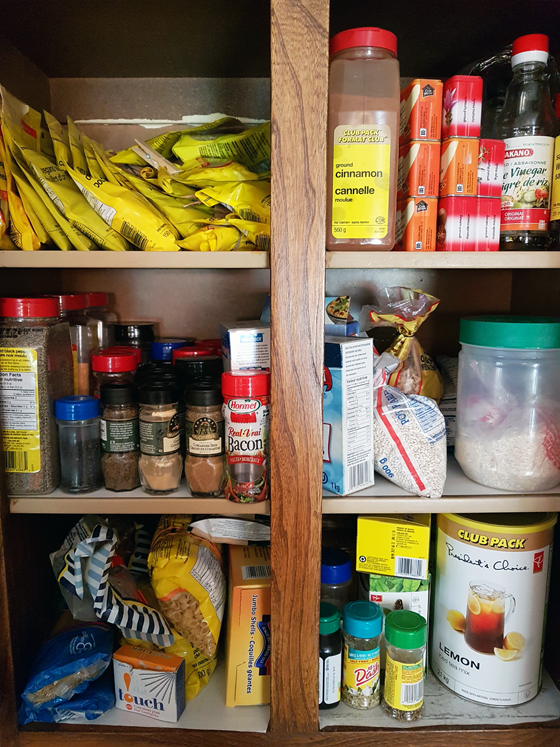
Matt and I both enjoy cooking, and my husband (who’s also chief grocery shopper) doesn’t hesitate to stock up when he’s buying a particular ingredient. That’s how we end up with a spice cabinet that looks like this. Particularly, all of those bags of spices crammed on the top shelf.

Disorganized spice cabinet

How to organize bags of spices

It was next to impossible to quickly put my hands on the spice that I needed, and as a shorter person I usually had to pull out a step stool to dig to the back of the cabinet and find what I was looking for.

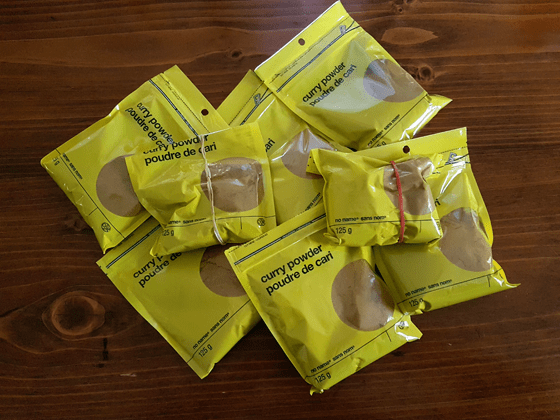
Also, because we didn’t know what we had, we often ended up buying more or opening another packet. That (along with Matt’s Indian kick) is how we end up with eight (!) bags of curry powder, four of which are open.

Bags of curry powder

The situation was all round annoying.

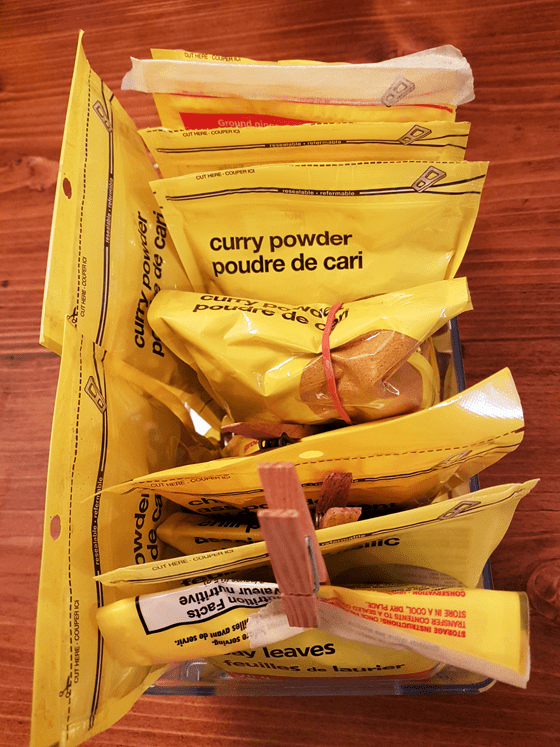
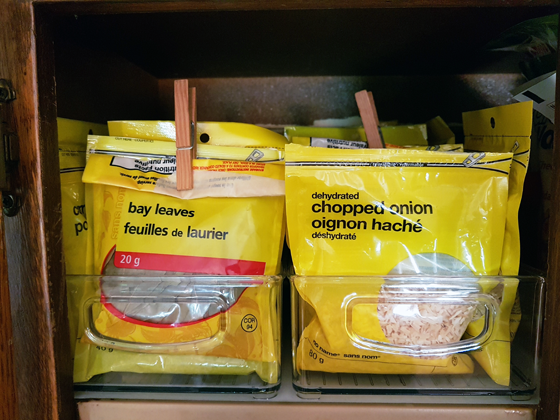
When I was organizing my office, I found some great bins at Solutions (the Canadian version of The Container Store). They have straight sides so they fit tightly into a drawer or cabinet and are clear so that the contents are easily visible. Plus they were the right size for the spices and the cupboard.

Bin to organize spices

I bought two and started sorting (and combining bags where I could).

My technique was alphabetical. First half of the alphabet in one bin, second half in another. I didn’t bother labeling the bins, because I think it’s pretty easy to figure out what bin you need based on the packet at the front.

Bags of spices organized in a bin

Two bins fit perfectly side by side in the cabinet.

How to organize bags of spices

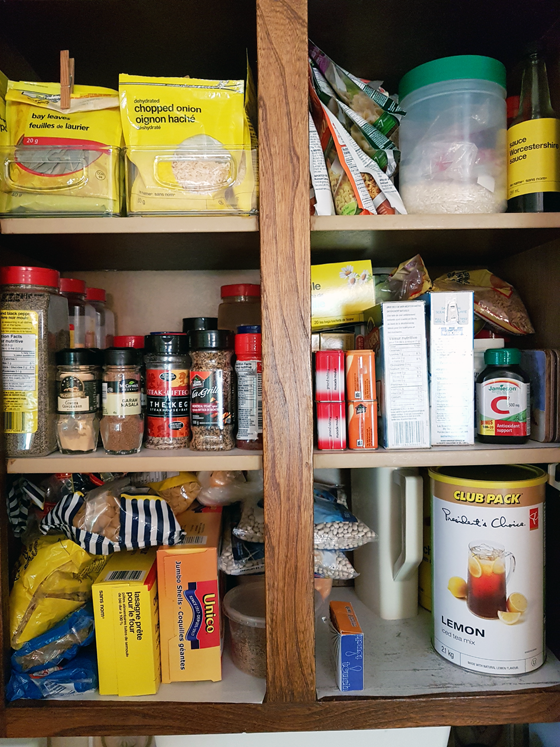
I did a quick pass through the rest of the cabinet too, putting all of our bottles and tins of spices together, and grouping like foods together. Thanks to the reorganization, I was able to move a couple of items off the counter and into the cabinet, which felt like a major win.

Better organized spice cabinet

Obviously, I’m not Martha Stewart, but while it may not look like much, this simple system makes a big difference in how easily we can find the ingredients we’re looking for.

What’s your organizing nemesis in your kitchen? Do you have any tips to share for organizing spices? Please tell me someone else out there also has multiples of a certain ingredient?

Fall to do list update

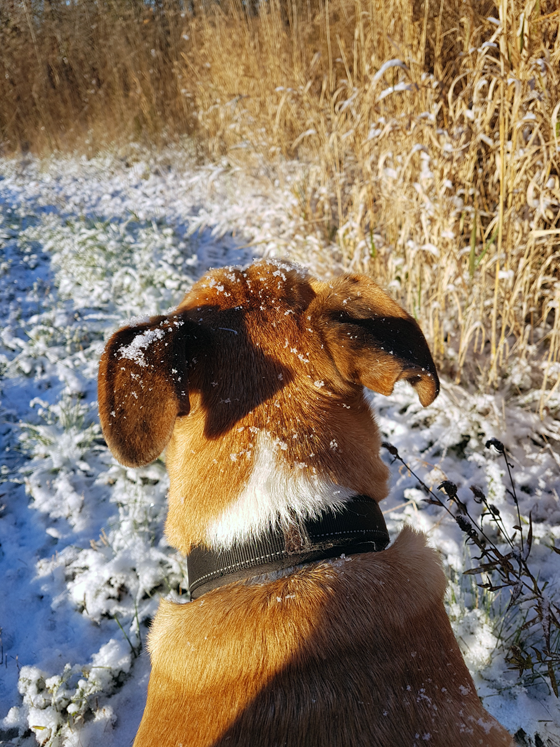
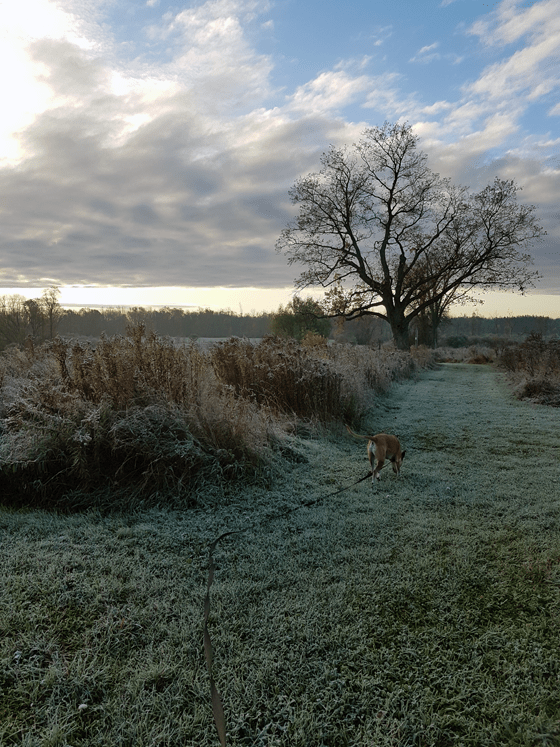
Baxter walking on a frosty morning

Back at the beginning of October, I posted my fall to-do list. I’ve had a month, and frosty mornings are coming more frequently. Have I made any progress to being ready for winter?

1. Clean out the vegetable garden

Pruning the raspberries was a big item I was thrilled to check off my list. The squash was our last crop to harvest. Now only clean up remains. A lot of clean up yet.

2. Remove window screens

Screens are off the dining room window. The rest will come down eventually.

3. Wash dining room and living room windows

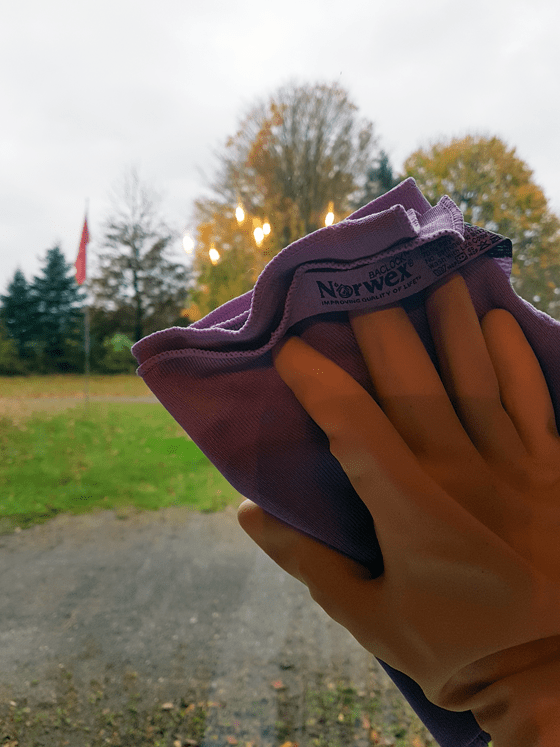
Done. We can now turn off the outside water any time. Inside, my Norwex glass cloth made quick work of years of grime (seriously, years) and layers of puppy nose smears.

(I’m not affiliated with Norwex. If you’re looking for a good glass cleaner, I can’t recommend Norwex glass cloths enough. As I’m trying to be conscious of what chemicals I use in my home, I love that this uses only water. Plus it works the best out of lots of products I’ve tried for windows.)

Norwex window cloth

4. Put away the birdbath and put out the feeder

Matt and Wiley worked late last night, and they got this done by headlight.

5. Bush hog the meadow, septic and pond shore one more time

My handy nephew is coming to visit this weekend, and he’s enthused about practicing his tractor driving again.

6. Clean gutters

Matt’s done this once. More leaves are coming down everyday though and those pine trees never stop shedding, so I expect there will be at least one more session before winter.

Matt cleaning the gutters with the leaf blower

7. Switch out the mudroom mats

Still to come.

8. Sweep the chimney

The hunt for a right-size chimney brush took a little while. I think I’ve found one that will work, and I’m aiming to grab poles from my parents today.

Chimney brush in front of the hearth

9. Vacuum my car

Still to come.

10. Service the tractor

Wiley did his last mowing two weeks ago–and he was more than ready to be done for the season. He got stuck and I had to tow him again, and he hit a stump and threw a blade. Also, Matt’s not happy with how our little tractor is running. So a pre-winter check up is definitely in order.

11. Build a new coffee table.

Still to come.

12. Pick up the lumber pile beside the silo

Still to come.

13. Regrade back and side of house

Still crossing my fingers that this will come too.

Roughly two months ’til winter. That’s still enough time, right? Now that the weather has gotten colder, I find I’m less motivated, especially when it comes to working outside. I keep reminding myself that everything I do now, I will be grateful for in the spring.

How are you doing on winter prep at your house?

What does it mean to be “off the grid”?

A bit more than a week ago, Matt and I watched the final episode of Sarah Richardson’s latest show, Sarah Off The Grid. For those that don’t know, Sarah Richardson is a popular Canadian TV personality and designer.

She does beautiful work, and I was excited to see a new show from her. I was particularly excited because this series was all about her and her family building an “off-grid” house. The shows were mostly focused on decorating–that’s what Sarah’s known for mostly and I of course enjoyed seeing the beautiful spaces she created.

I was a bit disappointed that they didn’t share a lot of details on the off grid portion. In fact, I couldn’t find any photos of the barn with its solar array to include in this post (all photos are from HGTV).

What they did feature made me think about what it means to be off the grid.

For Sarah and her family, they were focused on being off the hydro grid. A large array of solar panels provides all of the power needed. Woodstoves and fireplaces supplement a heating system that runs on propane. They installed a well and septic system (drilling the well took a few tries as they had trouble finding enough water, and there was discussion of adding a cistern, but I’m not clear if they had to do that as well).

For me, when I think of off the grid, I tend to go all the way to self-sufficiency. In particular, avoiding fossil fuels. So I was a bit disappointed to see Sarah’s crew installing a giant propane tank.

I love at our farm that we generate power through our solar panels, we have no need for propane or oil thanks to our geothermal system, and our well and septic handle all of our water needs. We could be self-sufficient.

We’re not self-sufficient because our solar panels are not off grid. They feed back into the grid, and we’re paid for the power we generate. We then draw the power we need for the house from the grid. Usage and production are completely separate. Batteries, and potentially more panels, would be needed if we wanted to disconnect from the provincial hydro system entirely (like Sarah was able to do).

I’m not sure why Sarah elected not to do geothermal. Perhaps the (small) amount of power required to run the system was too much for their solar panels, which also had to run the rest of the house. Perhaps it was a budget consideration. Perhaps the system required for her (giant) 5,000 square foot house would have been too difficult to set up.

They did take a number of steps to ensure their house is as energy efficient as possible from insulation to lighting to windows. Sarah’s husband Alex shares some of his tips in this video.

I was glad to see environmental impact considered throughout the build and the show. That’s a message I don’t often hear on other shows. I wish they had focused on it even more and explained more of their thought process about what off the grid means to them.

Tim at Design Maze posted recaps of each episode, including more beautiful photos.

What does off the grid mean to you? How are you minimizing your home’s impact on the environment? Did you watch Sarah Off The Grid? What did you think of the show?

Fall to do list

Spring and fall are important seasons on the farm. We’re either working to get things going or working to wrap things up. And all the time I feel like there’s a deadline.

In the fall the deadline is very real because we never know when the weather is going to turn and winter is going to be here. I realize we’re only in the first week of October, and it’s barely begun to feel like fall. It’s not really fair to start talking about winter already, but I already feel like I need to get moving. I have approximately three months until winter officially hits. And who knows how long until freezing temperatures and snow arrive.

Here’s what I’d like to accomplish this fall:

1. Clean out the vegetable garden

Pulling out the plants, a final weeding, lots of pruning, maybe some cover crops or mulch–there’s lots to do here.

2. Remove window screens

I didn’t get around to this last fall, and as a result our windows never got cleaned this spring, and they’re pretty dirty. Pulling the screens off will set me up for next spring.
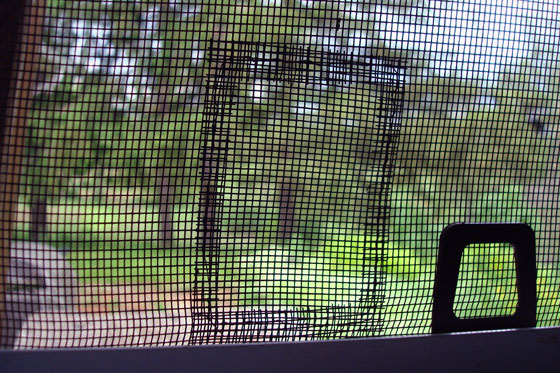
Patched window screen

3. Wash dining room and living room windows

See #2 above. I can’t wait til spring on these two big windows. While we still have running water outside, I will clean these two windows.

4. Put away the birdbath and put out the feeder

The bird feeder is easy now that I have a sleeve in the ground that the stake slips into. However, the bird bath is pretty heavy and needs assistance from both Matt and Wiley.
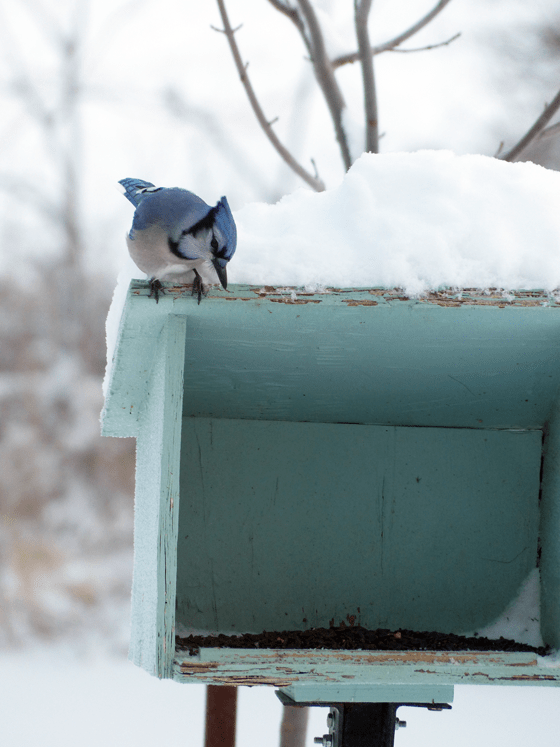
Blue jay at the birdfeeder

5. Bush hog the meadow, septic and pond shore one more time

I will also likely light the big pile of brush down at the pond on fire while I’m driving around on the tractor.

6. Clean gutters

Matt’s job. Will likely be done several times this fall.
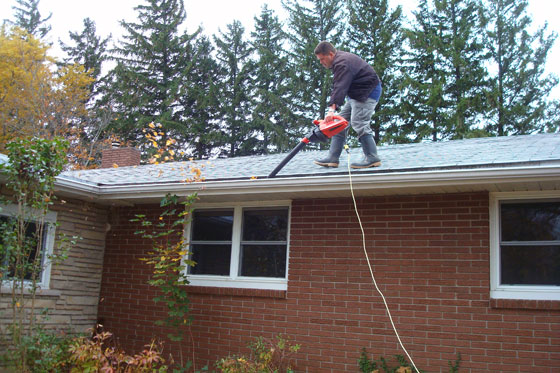
Cleaning gutters with a leaf blower

7. Switch out the mudroom mats

Covering our whole mudroom floor in my large DIY cocoa fibre mat helps to deal with the wet and snow that might come in on our boots.

8. Sweep the chimney

I’m ashamed to say that after three seasons of having a working fireplace, I have never cleaned the chimney. It’s passed time for this chore.
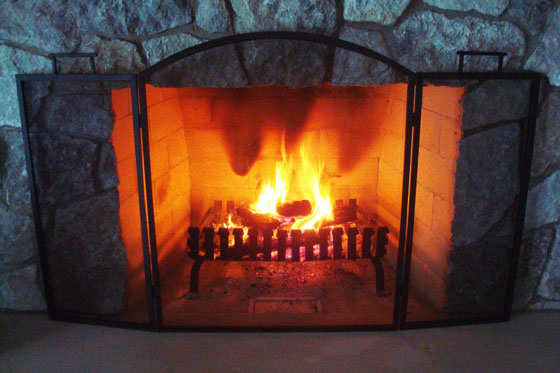
Fireplace screen

9. Vacuum my car

Between Baxter and the grit of a country property, my car desperately needs a cleaning. Winter will only make things worse, so if I can start off relatively clean, I’ll feel better about myself.

10. Service the tractor

Taking off the mower, greasing all the fittings, changing the oil will ensure that we’re all set for whatever comes this winter.
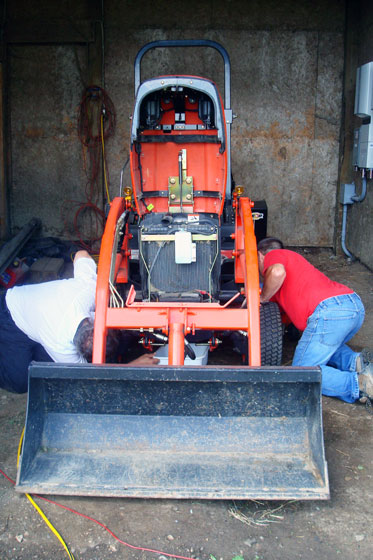
Changing the oiil on our tractor

11. Build a new coffee table.

This has been on my home goals list for awhile, and it’s time to do it. Ideally, the weather holds long enough that I can do some of the work outside.

12. Pick up the lumber pile beside the silo

Last year we went all summer with a big pile of lumber beside the silo. This year, we’ve done it again. Although not quite so big this time around. Hopefully we can move it into the barn without injury this year.

13. Regrade back and side of house

I didn’t get a load of topsoil for my birthday, but I’m not giving up on this one yet.
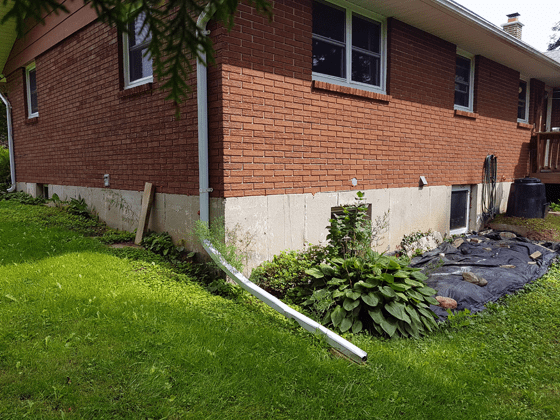
Back of the house

Oooh. Unlucky 13. I feel like I should find one more task to even it out. I’m a bit surprised there are only 13 things knocking around in my brain. Thinking about fall felt much more overwhelming than that. Sometimes that’s the beauty of writing down a to-do list. It makes the tasks seem more manageable.

Hopefully, that’s the case with this list.

What’s on your fall to-do list?
How to change a tractor tire on a Kioti CS2410

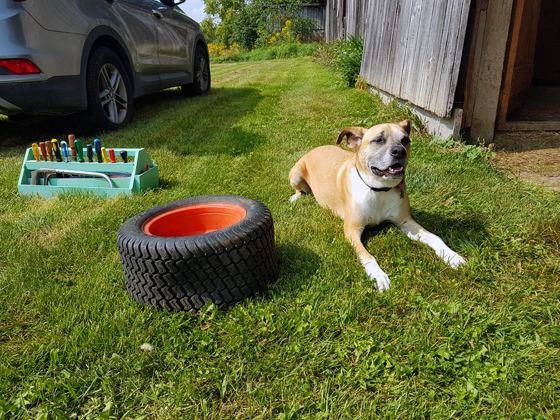
Baxter with the flat tractor tire

One of the issues we’ve run into with our little Kioti CS2410 tractor, Wiley, is his front tires not holding air.

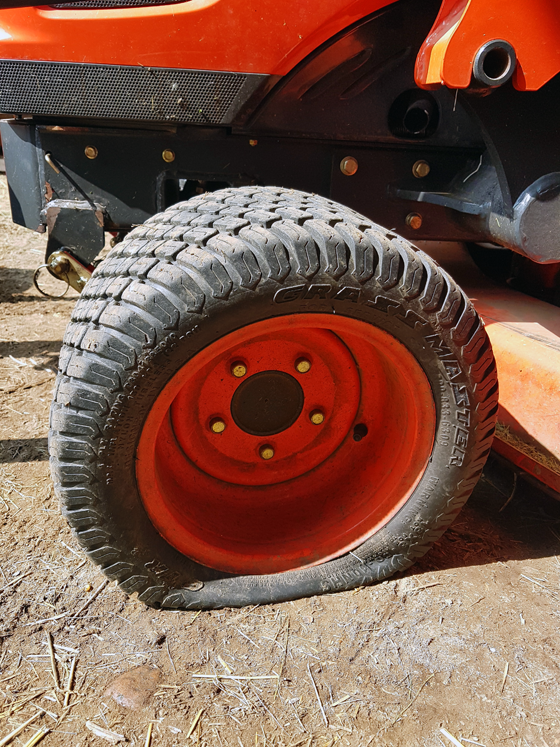
The tires are just rubber tires on metal rims. No tubes. So if they’re underinflated or hit something, we’ve found that the seal between the tire and the rim can start to leak.

We added a tube to the front right tire back in our first winter here. The left front tire we left mostly alone, just checking it and reinflating it regularly.

But after Wiley got stuck at the start of the month, the front left tire wouldn’t hold air at all.

Flat tire on a Kioti CS2410

So we popped it off the tractor, took it to the tractor dealership and asked them to put in a tube.

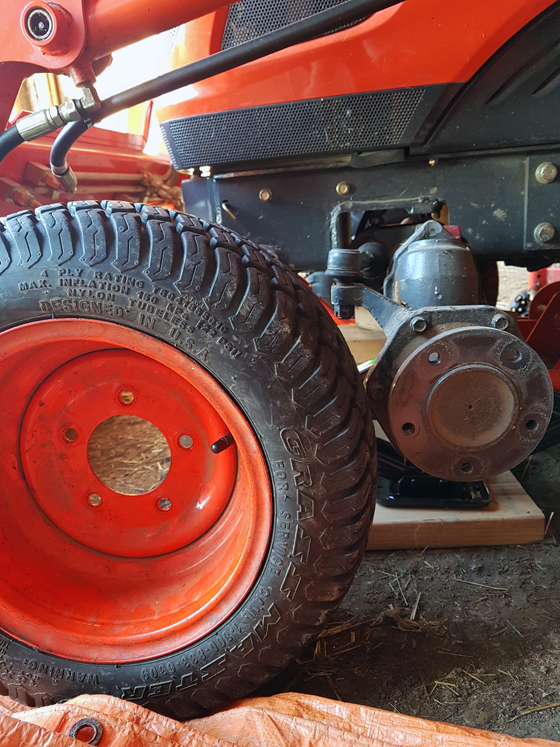
Removing a tire from a Kioti CS2410 is relatively straightforward.

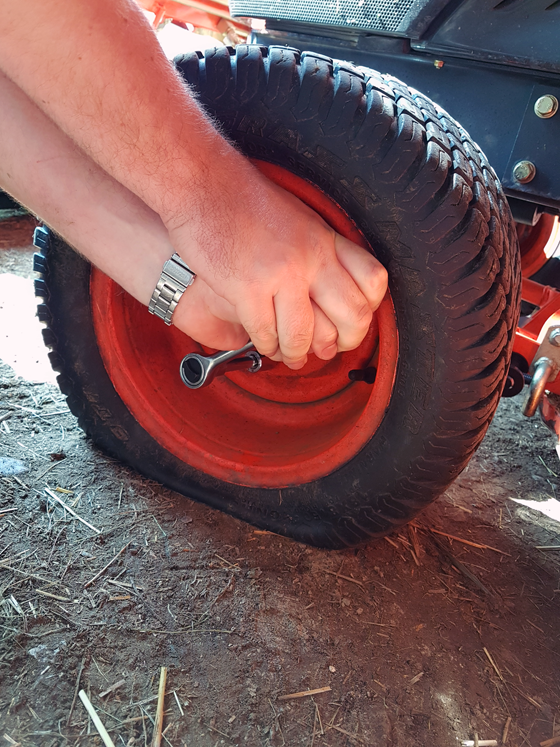
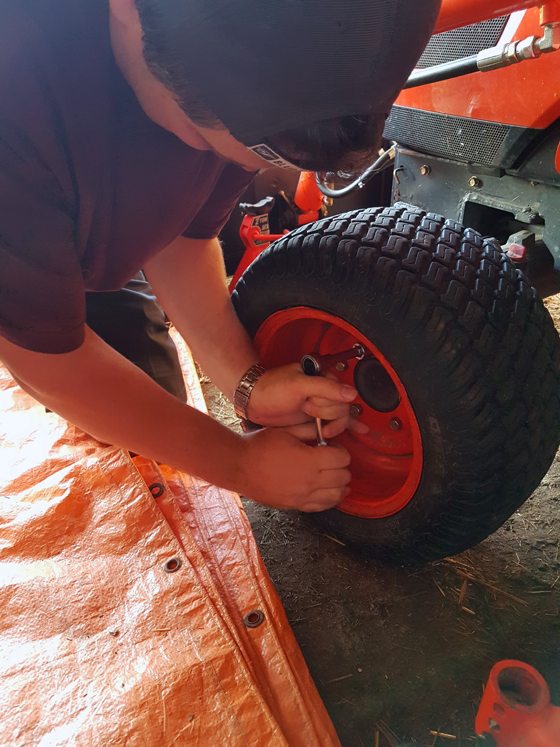
First, with the tire and the tractor still on the ground, we loosened the nuts. Keeping the tractor on the ground ensures that your tire won’t spin while you’re trying to undo the (often very tight) nuts.

How to change a tire on a Kioti CS2410

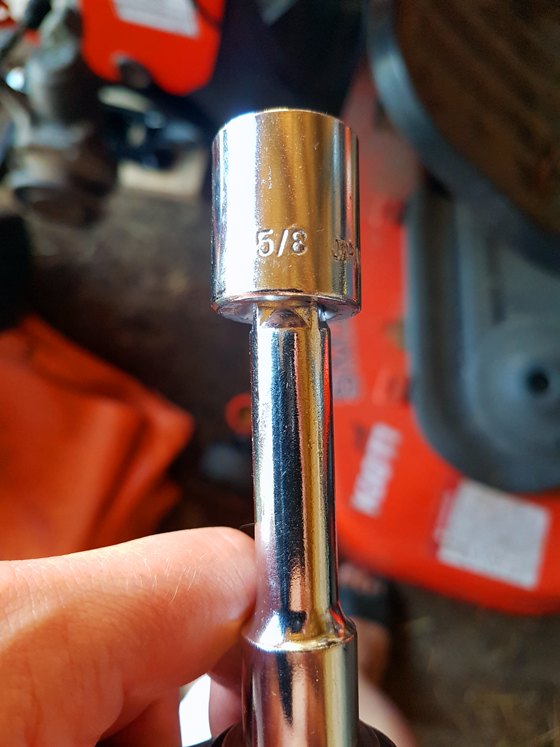
We found a normal tire iron was too big for the nuts. Instead, we used our socket wrench with a 5/8 socket.

5/8 socket

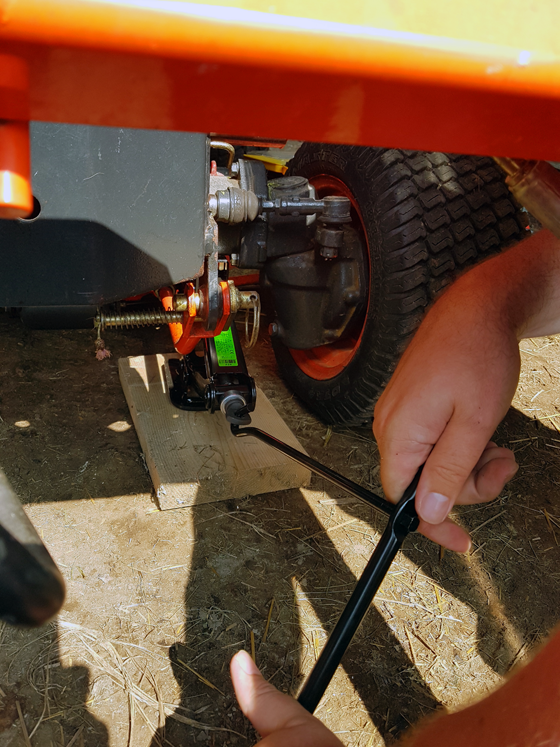
Once all five nuts were loose, we raised the tractor up with a jack under the front axle. (If you’re on uneven ground like we are, it’s smart to stabilize your jack by putting it on a board).

How to change a tire on a Kioti CS2410

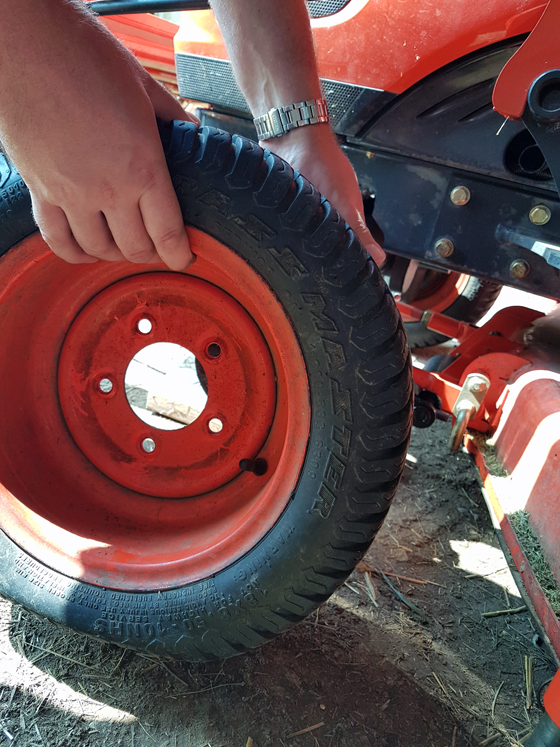
Then we unscrewed the nuts the rest of the way and lifted off the tire. Super easy.

How to change a tire on a Kioti CS2410

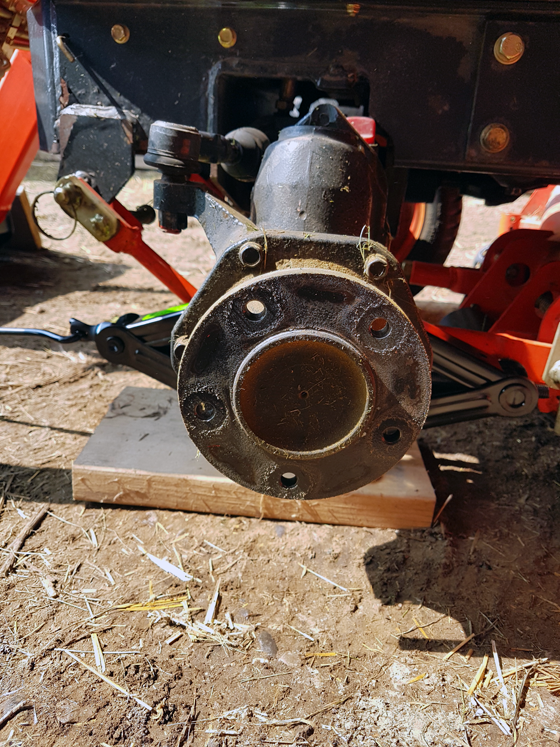
Wiley did a balancing act for a few days (we stuck some wood under the axle so we weren’t relying solely on the jack) while the tire was at the repair shop.

How to change a tire on a Kioti CS2410

Once we got our newly tubed tire back, attaching it to the tractor was pretty straightforward.

How to change a tire on a Kioti CS2410

The hardest part was getting the holes perfectly lined up so that the nuts would screw in straight. It was helpful to have two people, one to hold the tire and the other to handle the nuts.

Once we had the nuts finger tight, we lowered the tractor back down onto all four wheels and removed the jack. Then Matt tightened the nuts with the socket again. Like with any tire, follow a star pattern when you’re moving from nut to nut, rather than going around in a circle.

How to change a tire on a Kioti CS2410

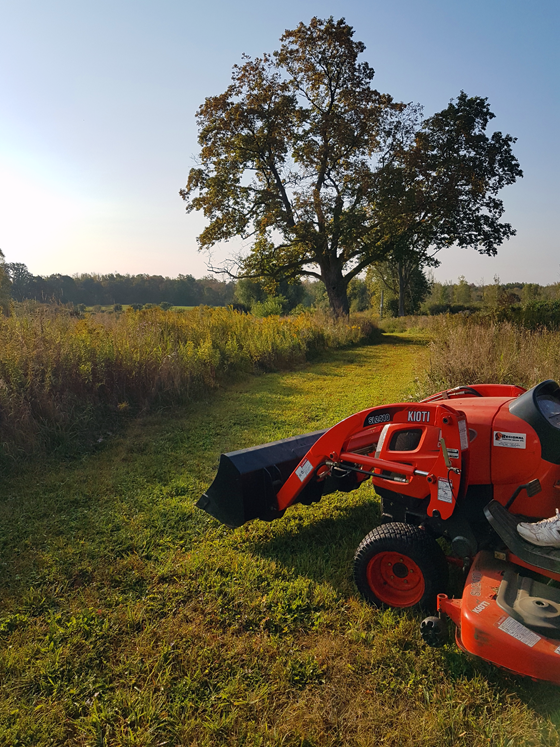
And that was it. Then Wiley got to go for a little run on his new wheels.

How to change a tire on a Kioti CS2410

I’ve learned that a tractor–even a small one like Wiley–is indispensable on a farm–even when we’re not farming. We’re very happy to have him back in working order and to not have to worry about flat tires any more.

Harvest report from Illinois

You saw on Monday that our last hay harvest of this year happened on the weekend. In Illinois, harvest is also underway, although there’s some variation in the crops. Sarah is here today to share a crop report.

Harvest 2017 is officially underway. I say “officially” but that just means that I saw my first combine this week.

If you remember back to some of my spring posts, we had an extremely wet season.

Of course it affected my planting but more importantly it affected the farmers’ planting. Most farmers either had to wait to plant, planted then had to re-plant, or some were just lucky enough that the first planting made it.

With these three scenarios, I find it fascinating that fields that are usually all ready to harvest about the same time are now looking completely different.

I took pictures on my way home one night of different fields of soybeans all in different stages of harvest.

Not at all ready to harvest:

Starting to show signs of the foliage dying:

And almost ready:

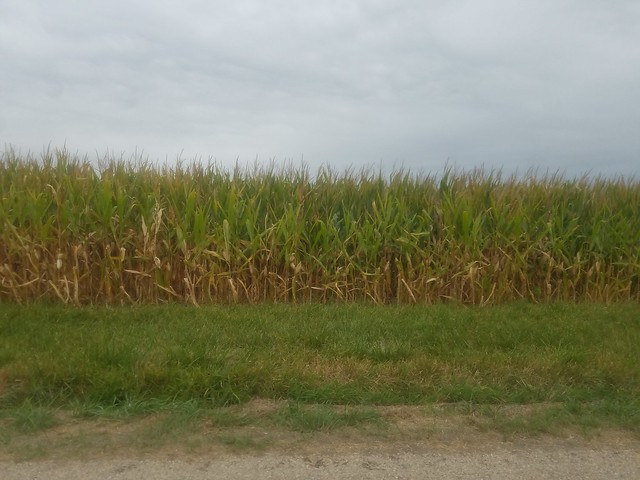
The corn is in similar stages:

None of these examples are from the fields that Steve farms. He says that he is about 2 weeks away from cutting his first beans. I think this is going to be a long drawn-out harvest season.

How are crops doing in your area? Have you seen any signs of harvest approaching?
It seems like this has been a good season for hay in our area. The wet weather has meant it just keeps on growing. The farm across the road had at least three cuts, I think. You have me curious about beans and corn, Sarah. I’m going to have to find a field and take a look.