Garden wrap-up from Illinois

Sarah in Illinois is doing better at her garden wrap-up than we are. In fact, she’s here today with her end of year recap of how her garden grew in 2017.

Last year I did an Olympic style recap of our garden in honor of the summer Olympics 2016. So I will continue that tradition this year.

Overall, I am very happy with how our garden did. We kept the weeds fairly under control, most plants were productive. I think my number one complaint is I wish I had planted more variety. So on to the winners.

Gold Medal recipients

Tomatoes

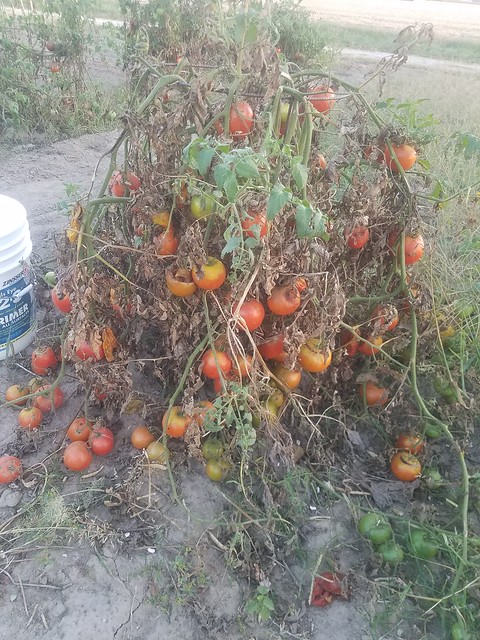
No question: tomatoes thrived in our garden. If you remember, I canned 45 quarts of tomato juice, 4 quarts of whole tomatoes and 4 quarts of salsa. We ate fresh tomatoes as much as we possibly could, gave many to my parents, and we still have tomatoes rotting on the vines because we couldn’t use them up.

The only thing I will change next year is that I wish I had planted Roma tomatoes. Also my cousin planted Amish Paste tomatoes that she said were excellent for juice and sauce so I may look in to planting some of those next year.

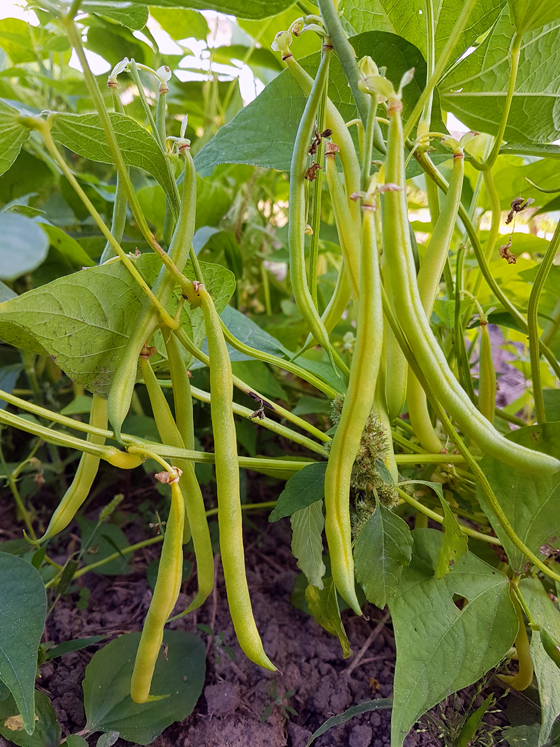
Green Beans

I canned 24 quarts of green beans, froze 4 gallons and ate some fresh, gave some to my mom and we still had beans that went to waste on the plant. I planted two separate times about 3 weeks apart. This worked really well. Next year I just need to plant less by about 75%.

Peppers

I’m going to toot my own horn here: my peppers were gorgeous this year! I had the best crop of peppers that I’ve ever had. My change for next year would be planting less hot peppers and more green peppers. I had about a 50/50 mix of sweet and hot. However, based on what we ate, I should plant 85/15.

Brussels Sprouts

Brussels Sprouts also got a gold medal. There is really nothing I’d change in variety or quantity.

Sugar Snap Peas

I had an abundant crop of sugar snap peas this year. I think shielding the strong sunlight by planting sunflowers in front of the row of peas helped to extend my harvest by not drying up the vines too early.

Silver Medal

Cucumbers

Cucumbers got a silver medal this year. The plants provided several cucumbers and bloomed until September. The only drawback is I only planted one variety and wish I had planted pickling cucumbers for their compact size and smaller seeds.

Sunflowers
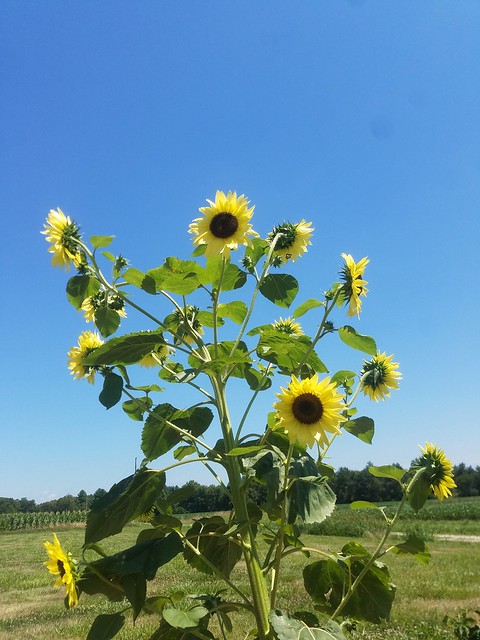
The sunflowers grew nice and tall with most 8-10 feet in height. Again, lack of variety was my only complaint.

Watermelon

We planted a small sweet variety called Sugar Baby. Steve and the kids are the watermelon eaters in our house. They said that the one they ate was good, but the vine only produced 3 total melons. I think lack of rain was a factor in the poor output.

Kale

After two failed plantings, I finally got two bunches of kale to grow. My step-daughter and I make some kale chips with what we could pick.

Radishes

I posted about radishes earlier in the year. I planted a lot more manageable amount. I think too much rain was kind of hard on them early, but they did okay.

Onions

Remember that we planted 150 red onions? Well as you can guess that was way more than we can use. They did really well. I think the rain compacted the ground to the point where they did not grow as big as I would have liked. Adding compost next year should help with the quality of the soil. I also would like to add a sweet onion to our mix.

Bronze Medal

Potatoes

I almost placed these in the “did not finish” column because the output was terrible. We did get one or two little messes of new potatoes but overall a terrible year for them. Next year I plan to try again and also add sweet potatoes back into rotation.

Pumpkins

I really expected some big beautiful carving size pumpkins to decorate my front steps this year, but instead I got about 6 pumpkins that were just a little bit bigger than a softball.

Spaghetti Squash

My vines only produced about 4 squash compared to about 20 last year. When I felt like they were ripe, they were actually soft inside. I did eat one, but threw the rest on the compost pile.

Carrots

Even with planting our carrots on mounds, the ground was really hard and compacted around the carrots and it was really hard to pull them up without a shovel. They also did not seem as sweet as they have in years past.

DNF “did not finish (produce)”

Tomatillo
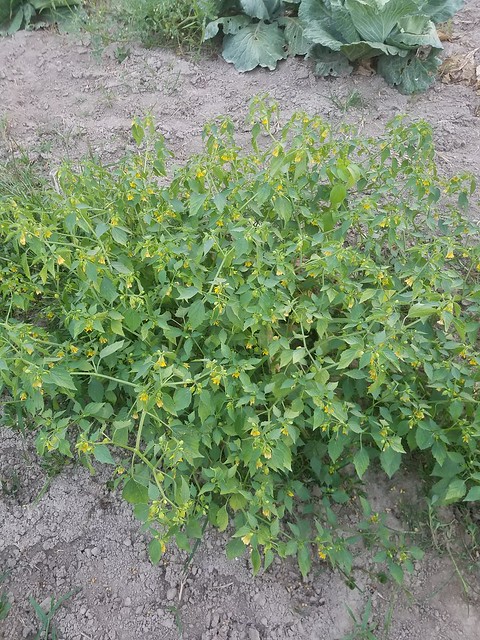
If you look back to August, I mentioned how beautiful my tomatillo plant looked, but that it had no fruit. I did a little research and found that I have to have more than one plant for pollination. So this wasn’t really as much a problem with the plant as my failed research.

Blueberries

I planted 3 varieties of blueberries this spring. However, not one of them survived. I think a combination of too much rain, then too little rain, then one incident with the weed trimmer getting too close was too much for my little plants.

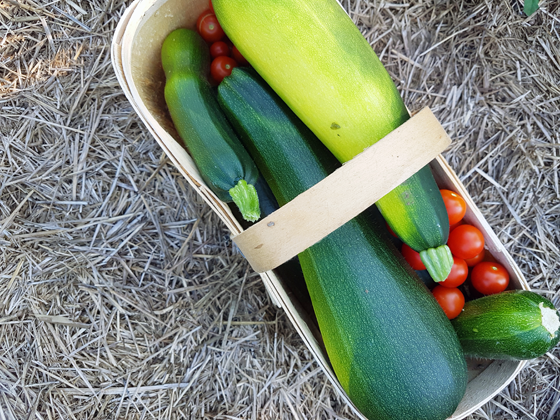
Zucchini

Most years I have to find people to give extra zucchini to. This year the plants grew about 3 inches tall and then died.

Honorable Mention goes to our new fruit trees and grape vines. None of them are mature enough to produce any fruit but they look nice and healthy and will be ready in the next few years.

Once again we are very happy with our garden. Growing a vegetable garden takes knowledge, patience, practice and a whole lot of luck.

There are some things to improve on like planting more variety and planting more according to what we use to reduce waste. But unfortunately, some of the factors in our poor or failed crops are out of our hands. If I ever find a way to change the weather to our advantage, I will sure let you know.

Keep us posted on that, would you please, Sarah? Congratulations on the productivity and also the lessons learned. So much of gardening is absolutely due to luck, but there’s a lot of hard work in there too, and the results of your efforts are impressive.

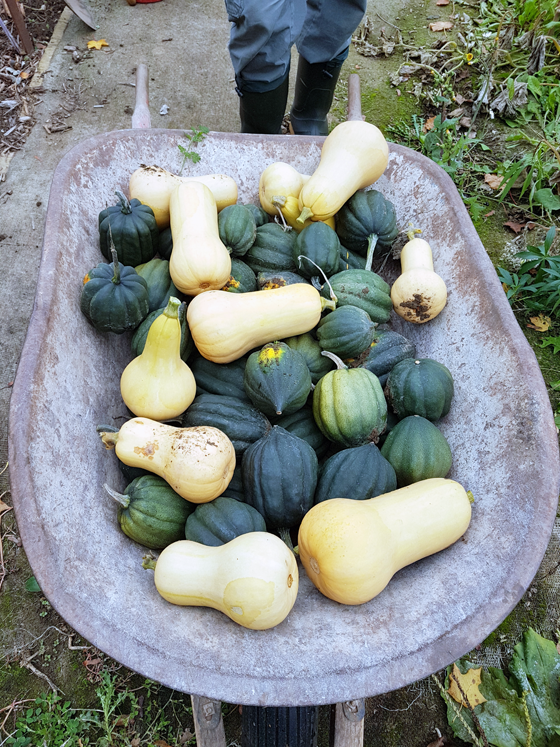
Squash harvest 2017

Wheelbarrow full of butternut and acorn squash

Squash seems to have become our signature crop.

The first year of the garden, we harvested 39 butternuts and about 70 acorns. Last year we intentionally planted fewer plants, but we still ended up with a tonne of squash (although I didn’t bother counting them… or at least didn’t record the count).

This year, we’re finally approaching a manageable number. This year’s squash harvest was 35 acorns and 11 butternuts.

Wheelbarrow full of butternut and acorn squash

Plenty for soups, side dishes and more. (Along with being our signature crop, they’re our signature food that we love to eat). I’m looking forward to trying this for my lunches.

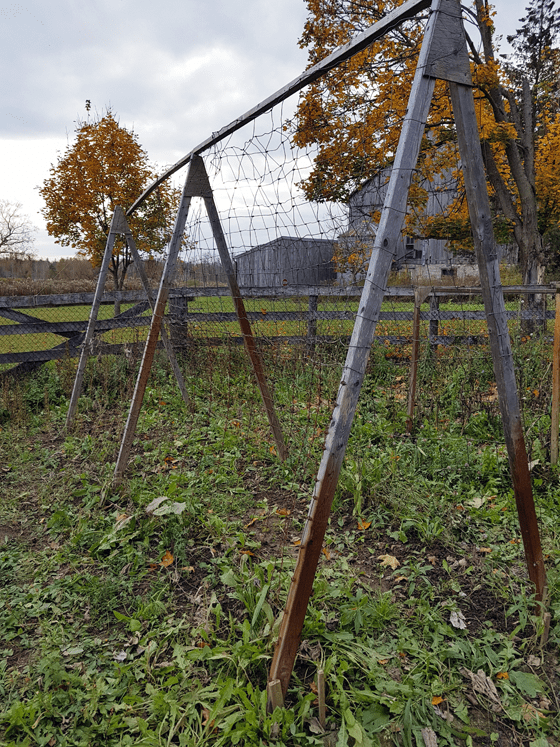
Garden clean out is happening slowly. I pulled all of the vines off of our A-frame trellis and sent them to the compost pile. (I did not do any weeding.)

Squash A-frame trellis

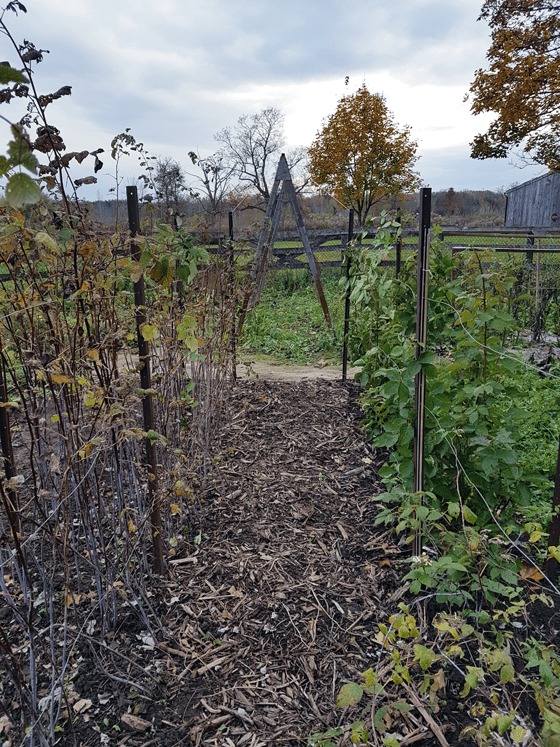
Weeds or not, I’m calling the centre axis of the garden done for the season (as good as it gets is how we’re rolling this year).

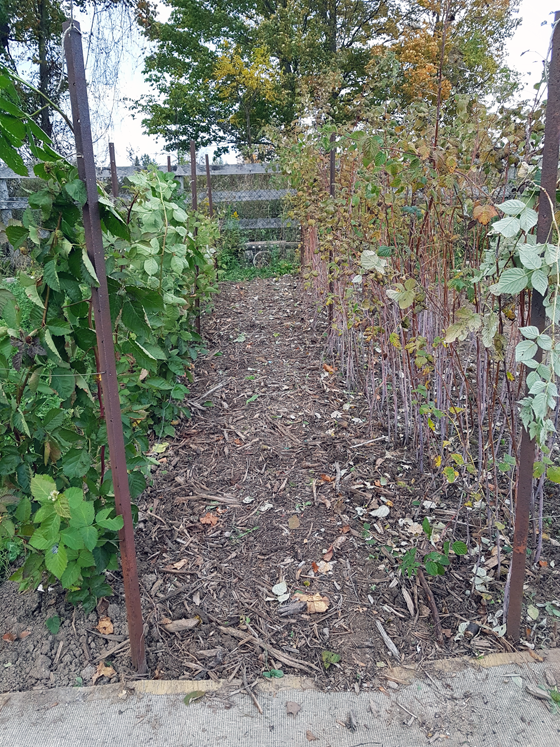
Looking across the garden from the raspberry row to the squash trellis

Four quadrants and the perimeter raised beds still to go.

Hopefully I wrap those up before the snow arrives.

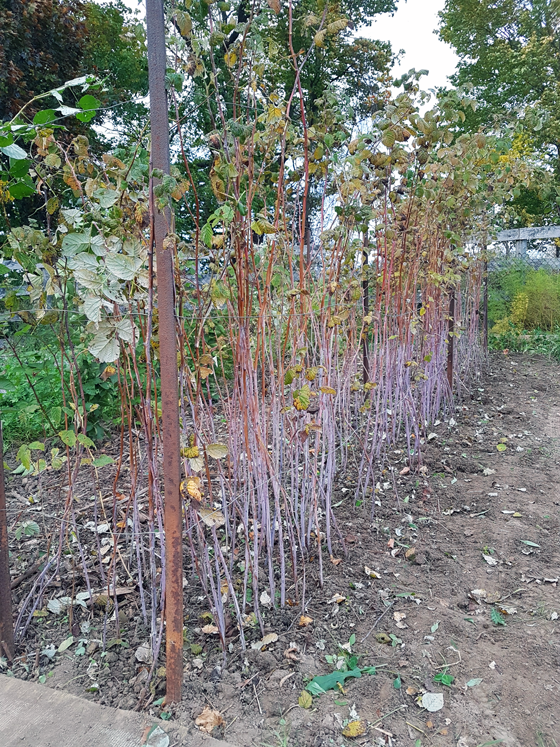
How to prune raspberries

How to prune raspberries

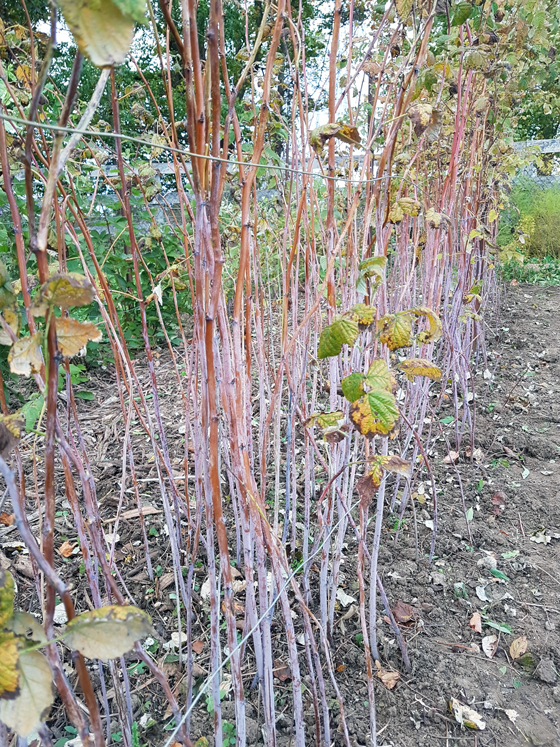
Pruning the raspberries was one of the items on my “putting the garden to bed” to-do list.

Pruning removes dead canes, opens the rest of the canes up to light and air and gives new canes room to grow.

The best time to prune is in the fall. The canes have finished fruiting. Leaves have died and fallen off. New growth won’t start until the spring.

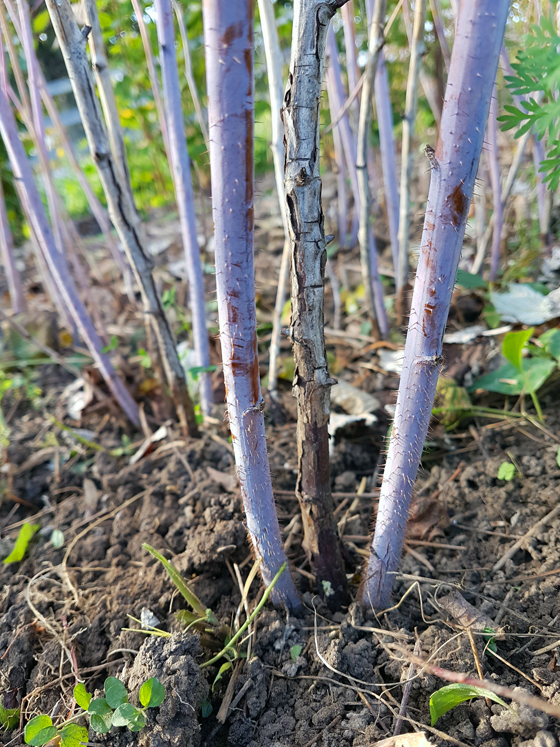
The first step is to identify which canes are dead. You want to look for the canes that are woody. For our berries, that means I can see actual bark and it looks like the outer shell of the cane is peeling a bit. The cane in the centre of the picture below needs to go. The two on either side can stay to bear berries next year.

How to prune raspberries

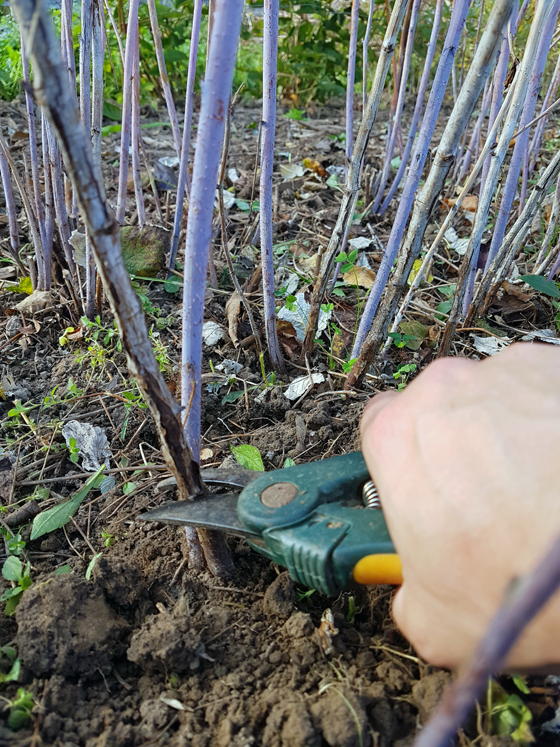
Using sturdy clippers, cut the dead cane a couple of inches above the ground. Pull the cut cane out of the row and throw it on your compost pile. If your canes are very thick or tangled, you may need to clip the dead cane in half so that you can extract it from the row.

How to prune raspberries

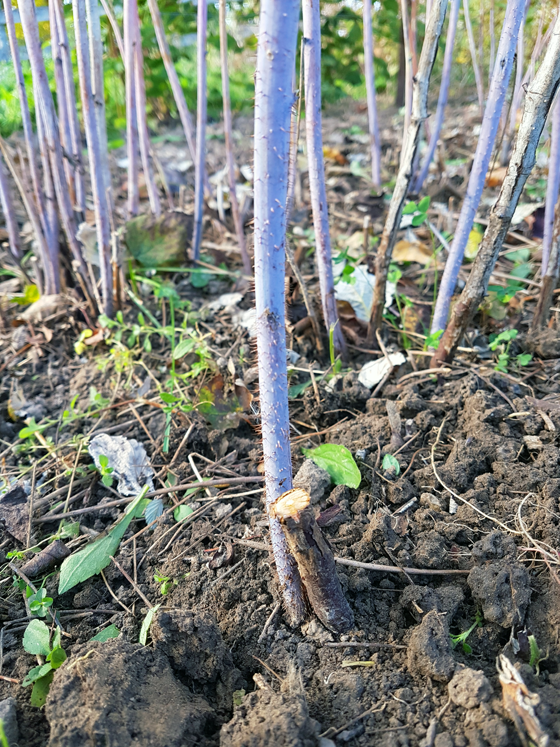
It’s okay to have a little stump left behind. In a year or two, this stump will rot away.

How to prune raspberries

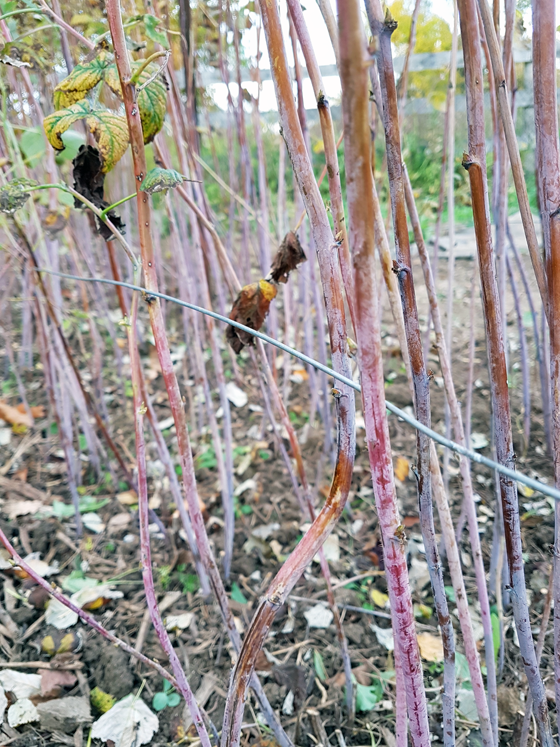
While you’re in your raspberry patch, now is also the time to weed (the last time this season). I also tuck the canes back under the wires of our trellis (here’s how we built our raspberry trellis). This contains the plants, helps them grow upright rather than flopping over and makes it easier for picking and care next year. You can see in the picture below one guy is on the wrong side of the wire (while his neighbour has bent over nearly backwards to grow within the row).

How to prune raspberries

At this time of year–especially while temperatures are still warm–the canes are pretty flexible, so it’s easy to bend and coax them under the wires. The result is a tidy row of plants with plenty of space to walk between the rows.

How to prune raspberries

How to prune raspberries

Has anyone else been pruning raspberries? Any tips to share? How are you doing on your garden clean up this fall?

Burning tree stumps

Let’s go back in time. Waaaaay back to my second month of blogging and my 20th post ever.

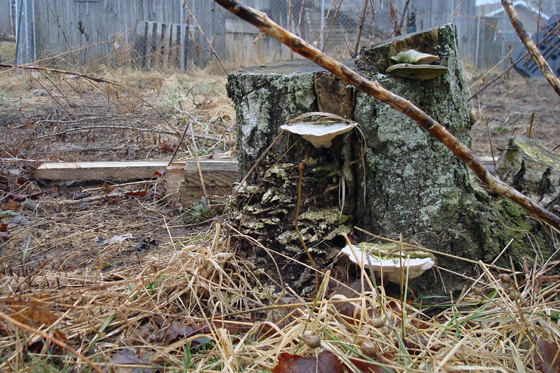
On a foggy spring morning, I snapped a photo of this old stump covered in moss and mushrooms.

Old stump

While I certainly appreciated the natural beauty of the stump, I didn’t appreciate its location in the middle of the “yard” (can’t really call it a lawn back then) between the driveshed and the garden.

My strategy was to make the stump into our firepit.

Burning a stump

That was in spring of 2013.

Burning a stump

Now, in the fall of 2017, I can finally stay the stump is officially gone. On the weekend, I shoveled up two years worth of ash (I’ve done this cleanout once before) and leveled the ground.

Surprisingly, remnants of the stump were still there. It was very squishy and rotten, so I easily hacked it down with my shovel (here’s how I keep my shovels sharp). Then I raked everything level.

Burning a stump

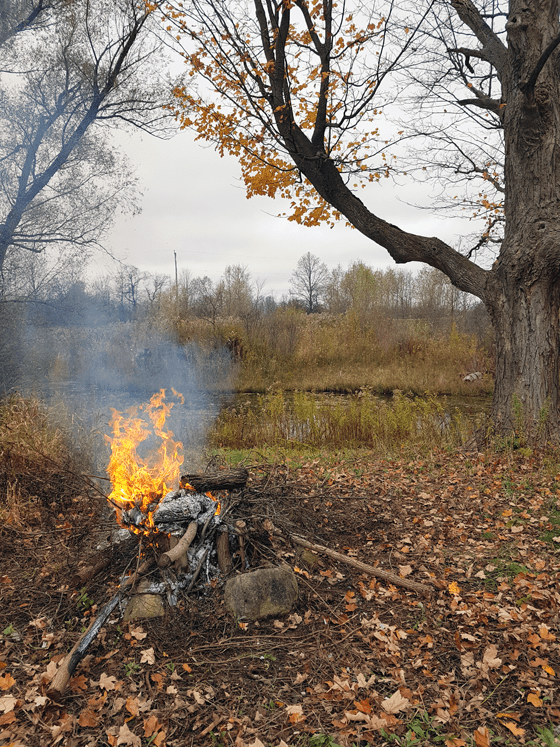
After Matt hit another stump with the mower over the weekend, we have a new candidate for the next firepit. We also happen to have no shortage of brush and deadfall, so stump removal 2.0 is now underway.

Stumps to be burnt

Burning brush at the farm

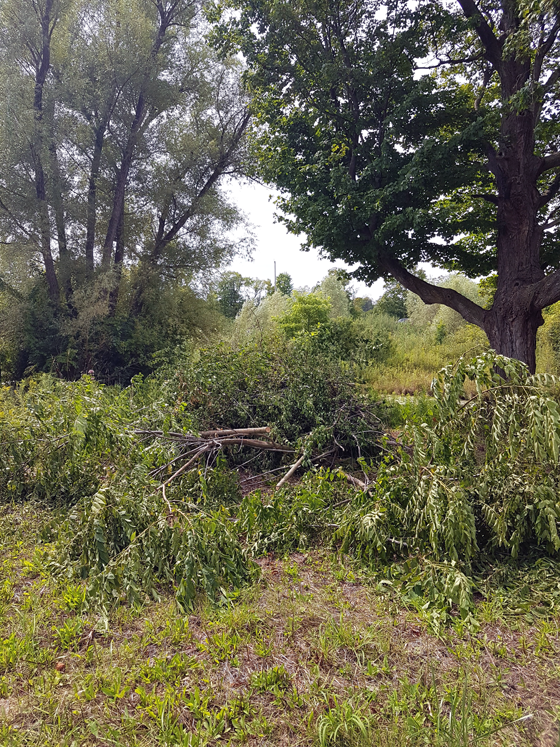
Tree maintenance is ongoing at the farm.

Do you have a firepit at your house? Have you ever burnt a stump? Any techniques or advice for removing stumps?

If a tree grows at the farm…

Maple sapling alongside the driveway

Three and a half years ago, we got four maple saplings from Lowes. They were free and part of a giveaway in response to the ice storm we’d been through the previous Christmas. Three of the trees have survived, but interestingly they’re growing very differently.

We planted most of the trees alongside the driveway to further my ambition of having beautiful big branches arching over the driveway some day. One of these trees is the one that died. We planted the final tree on the turnaround. We already have a huge old maple that I love on the turnaround. But I’m worried that some day it may come to the end of its life, and I’d like to have a new tree established at that time.

The trees were all very, very small when we got them from Lowes, but they were all roughly the same size.

No longer.

For some reason, the tree on the turnaround is growing big and fat, while the two on the driveway are still fairly spindly.

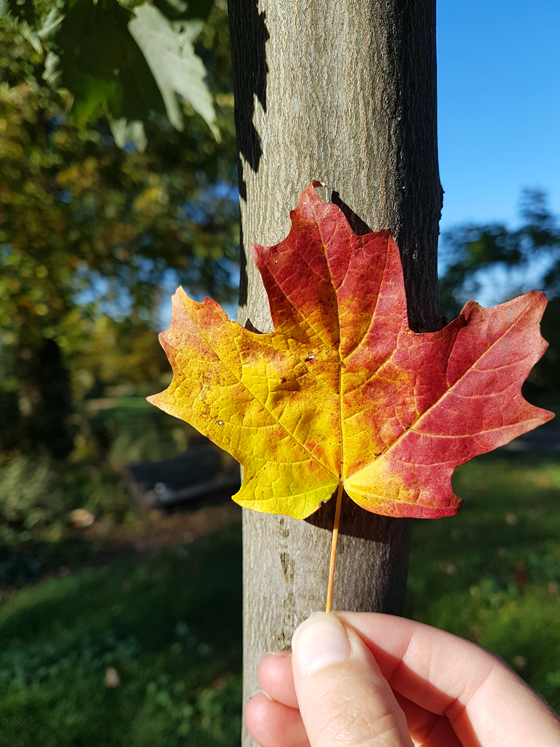
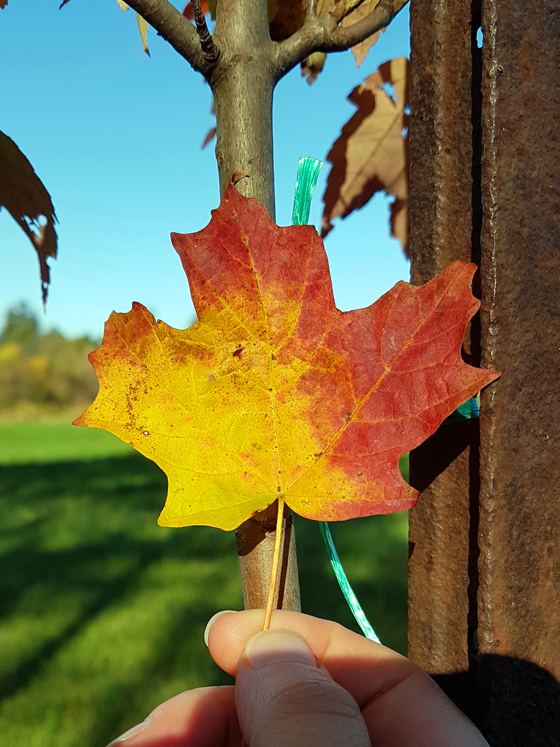
Observe the one on the turnaround–with a handy maple leaf for scale.

Maple tree trunk

And now let’s walk down the driveway with our same measuring leaf.

Maple tree trunk

Does it seem weird to anyone else that these trees are so different? They’re supposed to be the same type of trees (red maples), planted at the same time on the same property and cared for neglected in the same way.

As I’m writing this, I’m looking out the window at the turnaround, and I’m wondering if this tree is different from the others. You can see in the photo at the start of this post that the driveway tree sports a crown of beautiful red leaves. The turnaround tree–which has many, many more leaves and branches–is still completely green. Hmmm. That would certainly explain why it’s growing differently.

Any other ideas? Any tips for tree care? I admit, my usual approach is to do nothing.

Long term tomato storage

It’s finally starting to feel like fall here in Southern Ontario. We had an unexpected frost on the weekend that made me fear for our still growing garden, but we made it through fairly well. Sarah in Illinois is feeling the coming fall and looking to prolong her garden too. She’s here today to talk about how she’s trying to store that favourite garden fruit, tomatoes, for as long as possible.

Fall-like temperatures have finally hit Illinois and the cooler weather is a sure sign that the days for getting fresh vegetables from the garden are numbered. I posted earlier that I am learning the ropes of canning, but there are other methods for storing vegetables well after the frost arrives.

When I was choosing the tomatoes that I wanted to plant this year, I had on my list “Long Keeper.” Long Keeper is a variety of tomato by Burpee that is supposed to be great for winter storage. I tried to plant some from seed, but I am still struggling with the hardening off process.

A friend provided me with several varieties of tomatoes that she grew from seed, I was excited to discover that one plant was a “Red October” which is another variety of storage tomato.

Thankfully, this plant did very well and had an abundant supply of fruit.

So now that I have all of these tomatoes, what is the best way to store them?

The info I have gathered from several sources has a few things in common.

  1. Store tomatoes so they are not touching.
  2. Store in a cool (but not cold), dry spot.
  3. Check often for spoilage, since one bad tomato can cause the others to spoil quickly.

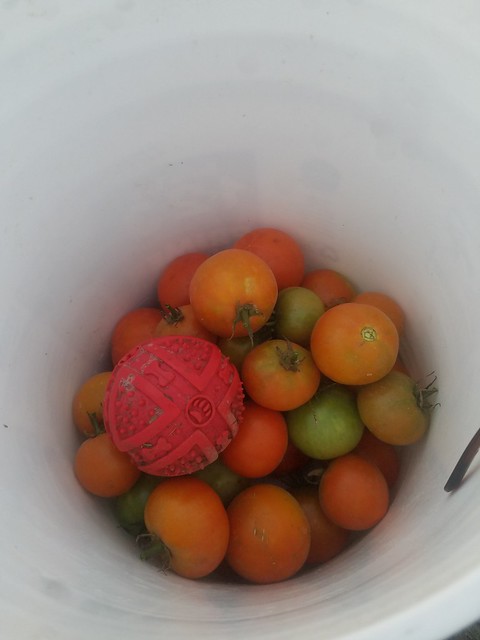
When I picked the tomatoes to store, I made sure to pick only the healthiest, firmest tomatoes. I figured that if they are already showing signs of over-ripening there was no reason to attempt to store them. I also picked them in varying degrees of ripeness. I am not sure if they will ripen well in the box or not.

Blitz quickly figured out what I was doing and added his red tomato-colored ball to my bucket. Man, it amazes me how smart he is!

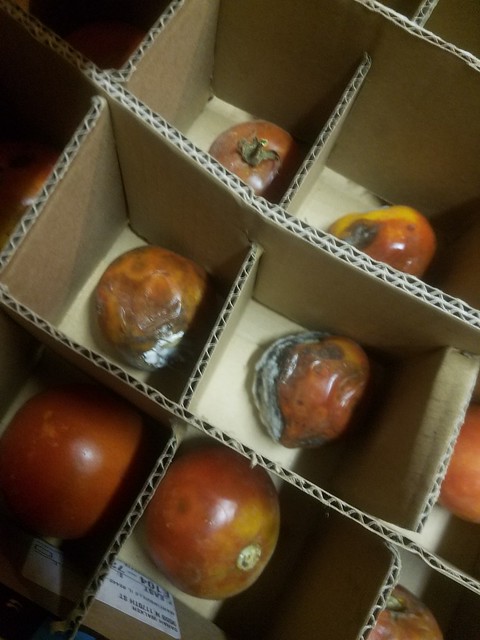
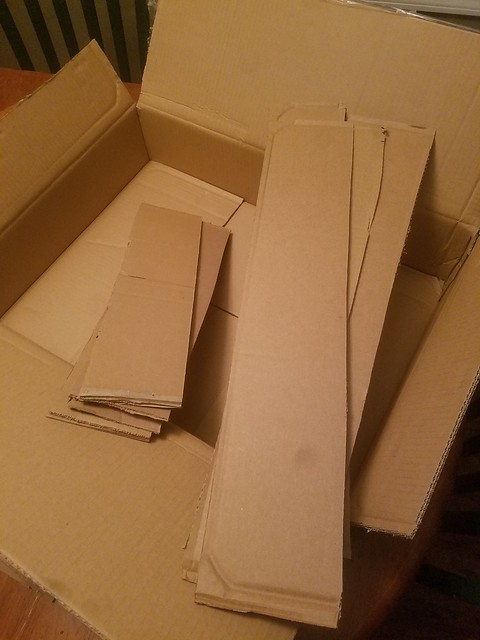
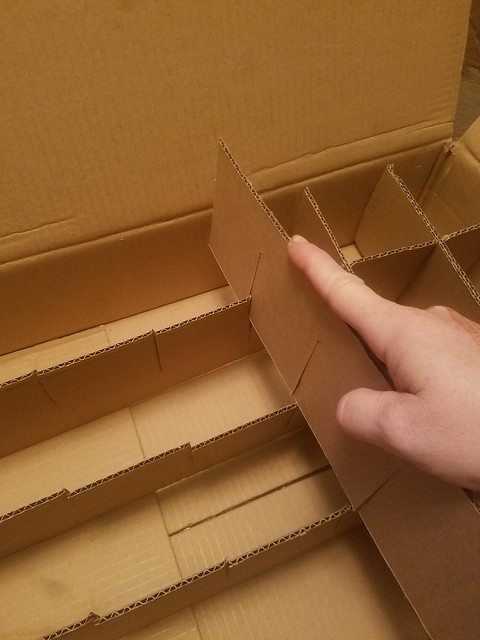
I have a seemingly endless supply of cardboard boxes at work so I picked a shallow box and made a cardboard grid to keep the tomatoes from touching.

To make the grid I cut pieces of cardboard the height of the box (4 inches in this case) and then I cut them the length of the box. Some I cut the length of the short side of the box, and some the longer length. I ended up with 4 longer pieces and 6 shorter pieces. Each box of course will be different and you can adapt it to your needs, but in this case my box was 15 inches by 21 inches. So when I evenly spaced the slats I had 3 inch squares for the tomatoes to sit in.

To get the slats to fit together in a grid I cut slits evenly across each piece. I made sure to cut each slit more than halfway so that the grid fit together nicely.

I was able to fit my slats together fairly easily. None of my measurements were exact so thankfully cardboard is forgiving and I could work everything into place.

Once my grid was in place I was able to fill it with tomatoes.

I have chosen to store the box in the garage attached to our house. This way I can keep a close eye on them to check for spoilage and I know that it will be a while before it freezes out there.

This really is an experiment. I have no idea if I will have garden tomatoes in January, or if they only last into October. So I plan to report back on how it is going and anything I learn along the way.

Have you ever stored tomatoes long term? Any advice for me? Have you ever grown Red October tomatoes?

I feel like this is as good a technique as any, Sarah. I’m curious to see how it works for you.

I received an interesting preserving cookbook last Christmas called Batch, and it talked about how there are so many more preserving techniques than just canning. Cellaring (like what you’re doing) and freezing were two additional techniques along with several others (and yes, there’s a whole section on tomatoes).

I slow roasted a batch of cherry tomatoes on the weekend. They’re super simple to toss in the freezer and then toss onto pizza in the middle of winter. Unfortunately, I got distracted and didn’t check them soon enough and they were beyond roasted by the time I pulled them out. I’m still mourning them a bit. But they’re in the composter now, so I may have some volunteer tomato plants next year.

September summer keeps the vegetables coming

The first weekend of fall was not at all fall-ish. Temperatures were over 30 degrees (85F), and it felt like 40 degrees (100F+) with the humidity. Matt and I both agreed that it felt like the hottest weekend we’ve had all year.

The good news about summer continuing into fall is that our garden is continuing to grow.

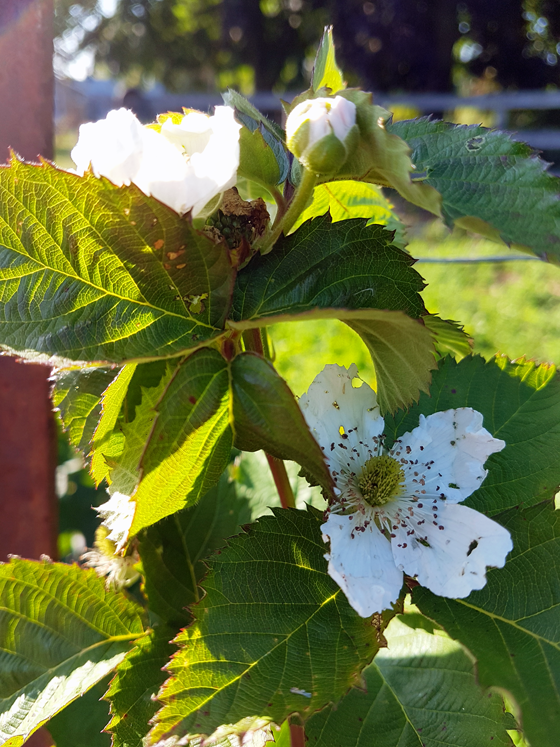
In fact, our blackberries have started blooming.

Blackberry blooms

I don’t think we’re going to get to the berry stage before the weather officially turns–it’s going to happen eventually–but we’ve managed to successfully get to the bean stage with our yellow bush beans.

Matt and I braved the heat on Sunday afternoon to pick our first couple of quarts of the year.

Yellow bush beans

Like our berries, the other crop I’m extremely skeptical about is our first try at eggplant. We were so, so late getting these plants in the ground. We have some beautiful purple little babies finally, but I’m not sure they’ll have time to grow up. (Isn’t the colour amazing?)

Baby eggplant

We picked and froze 35 jalapeno peppers over the weekend and have a whole lot more coming. I’m watching our bell peppers closely hoping they turn red soon.

Our tomatoes are still battling, and I managed to salvage a few dozen cherry tomatoes. I’ll be roasting these off tomorrow.

Zucchini are slowly persisting, although a few got away from me and grew a little too large for my liking. Zucchini bread coming up.

Basket of zucchini

We got such a late start on planting the garden this spring. I’m grateful that the weather has held, so that we actually are able to have a decent growing season. Summer’s my favourite season, so garden or not, I’m really hoping that the hot weather hangs around a little bit longer.

What’s the weather like where you are? What do you think my chances are of harvesting eggplant this year?

Not so rosy results from this year’s tomatoes

Unfortunately we’re ending garden week on a low note. I was very optimistic about our tomatoes this year. We had beautiful big green tomatoes. I was just waiting for them to turn red and then I would be devouring my favourite tomato sandwiches.

Green tomatoes growing in the garden

From what I’ve heard from other gardeners in our area, tomato blight is pretty prolific this year. Many people have lost their crops.

I thought we were going to squeak through, but the blight has now hit us as well. It started with our Black Krim tomatoes–this year’s new variety. The plants died first. The stalks developed brown patches, then the leaves withered. And now the fruits themselves have started to shrivel, darken and fall off the plant–even as a few of them have tried to turn red.

Tomatoes afflicted by blight

Tomatoes afflicted by blight

I thought the blight might be limited to the Krims, but it’s now spreading to the Mountain Merit beefstakes and even our usually resilient cherry tomatoes.

Tomatoes afflicted by blight

To try and curb the blight for next year, I will be ripping out our plants and throwing them on the burn pile rather than composting as we usually do. And rotation is a must to ensure that next year’s tomatoes are away from the blight.

I did stock up for my tomato sandwiches, but I did it at the grocery store, rather than the garden. 😦

Have you had any blight issues this year? How have your tomatoes grown? What’s your favourite way to enjoy tomatoes?

Potato harvest 2017

Garden week is continuing here on 129 acres. This post is all about the high point of the whole gardening season so far–the potato harvest.

Picking potatoes

You may recall that we decided to devote a whole quadrant of our 2,500 square foot garden to potatoes this year. We had a whole bunch of seed potatoes–all from our own pantry–and I ended up putting in about eight rows.

The results were pretty much as expected. A whoooooole lotta potatoes.

Potato harvest 2017

We grew four varieties: Kennebec, Russian Blue, Basin Gold and red. The Kennebecs are by far our favourite. They fry up nice and crisp for hashbrowns, but stay soft and potatoey inside. Their flavour is also wonderful. It’s a good thing we like them because we had so many we ended up picking them into the wheelbarrow.

A wheelbarrow full of Kennebec potatoes

The Kennebecs also grew big. One potato will make more than enough hashbrowns for breakfast for both of us. For comparison, Matt wears a size 13 boot.

Giant potato

The Russian Blues are fun purple potatoes. We got a decent crop of them. The reds are the first potatoes we ever tried growing. I think some of the plants were choked by weeds this year because the number of reds that we got this year was not great.

However, the greatest disappointment ended up being the Basin Golds. These were an experiment. When Matt is looking for giant baking potatoes to go with our steak dinners, he picks up Basin Golds.

We had a couple of potatoes that sprouted by the time spring arrived, so we stuck them in the garden. They definitely did not live up to our expectations of giant baking potatoes. First, we only got six potatoes. And second they’re small. Here are our measly six taters with their size 13 Kennebec relative.
Different size potatoes

The potatoes are all different shapes and sizes.

There was a Russian Blue that Matt enjoyed particularly. Ahem.

Mishapen potato

And the much more G-rated Mini Mouse potato.

Mini Mouse potato

We dried the potatoes for a little while on a tarp on the driveway–supervised by that omnipresent puppy–and then loaded them into sacks and put them in the cold cellar. Last year, we followed a pretty similar process, except we put them in cardboard boxes, and they lasted fairly well.

Potato harvest 2017

Hopefully we will be enjoying homegrown potatoes for many months to come. I’m expecting breakfast for dinner–complete with hashbrowns–will be on the menu one evening this week.
Do you grow your own potatoes? Do you have a favourite kind of potato? How do you like to eat potatoes? Any tips on storing potatoes? I’m really hoping that our sacks work well.

Battling Japanese beetles in the vegetable garden

Thanks everyone for the well wishes on my last post. Freelancing is an exciting venture for me, and I’m very grateful that I’m able to take this step.

This week is garden week on 129 acres. I’ve shared some of our highs and lows already. As the season is progressing, we have more news to share. Harvest is still coming on very (very) slowly.

Matt was looking for squash this weekend. We’re easily at least a month away from those, I would guess.

I did reap a bumper crop recently, but not a food I was looking for. I finally picked our Japanese beetles. Definitely won’t be eating these.

Our raspberries have been the worst victims, although the grapes have also hosted a few of these munching monsters. I’ve even found a few on my laundry after it’s been hung outside. Not impressed.

Japanese beetles on the raspberry bushes

It’s extra insulting when they’re procreating right in front of me. But the reward is killing two or three at once.

Japanese beetles on the raspberries

I had read that the most effective technique was to handpick them off the plants and drop them in a bucket of soapy water. I think a couple of years ago I was squeamish to touch these guys. Not anymore. I walked up and down the rows and didn’t hesitate to flick the beetles I saw into my bucket.

The film of soap on the water kept them in the bucket–aside from when I tripped over a rogue weed and sloshed water and beetles over the soil.

I picked for a couple of days in a row and eventually noticed a decrease in the number of beetles I found. The result was a small bucket of grossness–which I did not count.

Bucket of dead Japanese beetles

I think in future years I need to be motivated to pick these guys as soon as I spot them. It would likely decrease the chances of progressing to a full infestation.

Do you have Japanese beetles at your house? Or another pest that you’ve been battling? Any tips for dealing with beetles?