Odds and sods


Preserves and homegrown apples

It’s been a busy week–really a busy month (or months)–so I’m taking it easy today with a quick list of the odds and sods that have been happening recently:

  • One of my very best friends left a whole package of homemade preserves, muffins and fresh apples on our driveway gate this week. We’ve been friends for more than 30 years and still live less than 10 minutes from each other. Life gets busy and we don’t see each other as often as we’d like, but we’re still connected. Little moments like this are what friendship is all about for me.
  • The 30th anniversary issue of House and Home was full of great rooms. A lot of the old favourites were some of my memorable spaces too. Kim Cattrall’s ocean front home (seriously, she stood in the ocean and then sat on driftwood for two pictures) is pretty special.
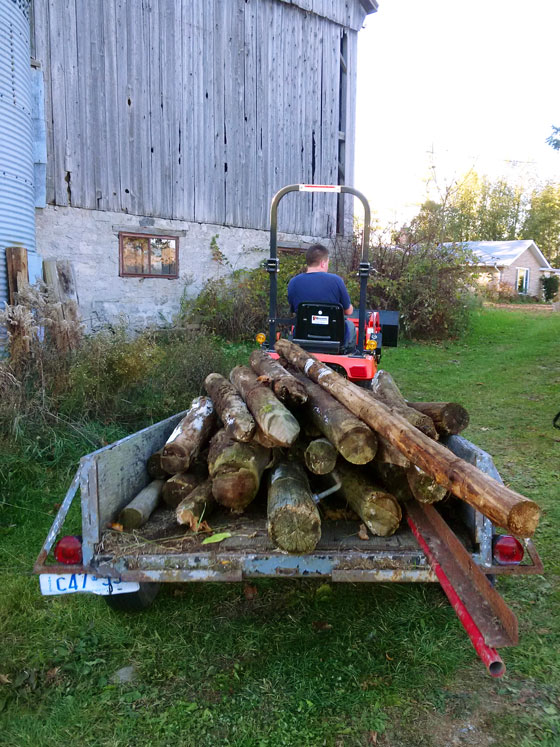
  • Our warm fall lulled me into a false sense of security. We’ve had windchills, negative temperatures and even snow over the past week. I need to get cracking on the annual seasonal shutdown. This weekend’s to-dos are remove the tractor mower deck and turn off the outside water.
  • Speaking of cold weather, I’ve started knitting again–and am teaching a whole bunch of people at my day job how to knit too. Yet another pair of my favourite slippers from French Press Knits are on my needles right now.

Is anyone else feeling like there aren’t enough hours in the day right now? Or the things I want to/need to do are too many for the time I have available? Obviously, my friend (who is also mom to two little boys) has found some deeper level of productivity than I have yet uncovered.

First fire of the season

Saturday, I was outside in a chilly wind all afternoon. Unfortunately, I wasn’t at the farm, so I didn’t have physical labour to keep me warm.

Saturday evening, home at the farm, was all about big bowl of soup on the couch in front of the first fire of the season.


Sunday, Matt and I rearranged the woodpiles and took delivery of another load of firewood from his Dad.

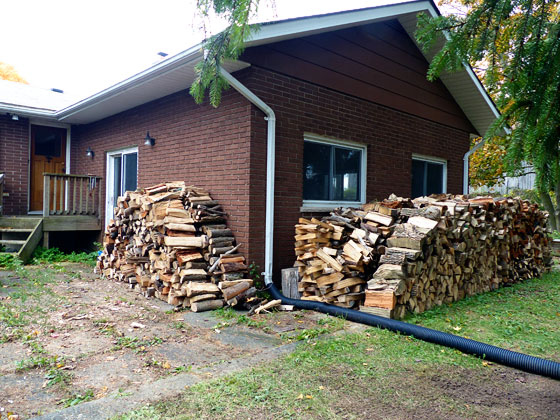
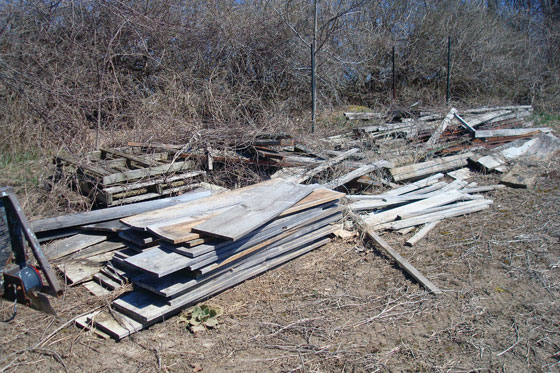
We have a serious stockpile of firewood this year. It wraps around all three sides of the pool room.

Woodpile

We’ve gotten so much new wood this year that things have gotten a bit jumbled.

The rearrangement on Sunday was about putting the oldest wood in the most accessible spot: stacked on the side patio closest to the kitchen door. Then there is the original woodpile behind the pool room now expanded to four rows–we’ve never had four rows.

Woodpile

The newest wood is on the other side patio where it can dry for awhile–years given the amount of wood we have to burn through before then.

Woodpile

The fireplace is my thing, but the firewood is Matt’s. I gripe a bit about firewood taking over our house, but I appreciate all of the effort he puts into making sure I’m set for a cozy night after a chilly day.

How are you getting ready for winter at your house?

Vegetable garden highs and lows

I’m going to go a bit corporate today. Have you heard of a SOAR analysis? It’s a business planning exercise where you look at the strengths, opportunities, aspirations and results for a particular project. It’s a bit friendlier than the old-school SWOT (strengths, weaknesses, opportunities, threats).

Today’s project is the vegetable garden.
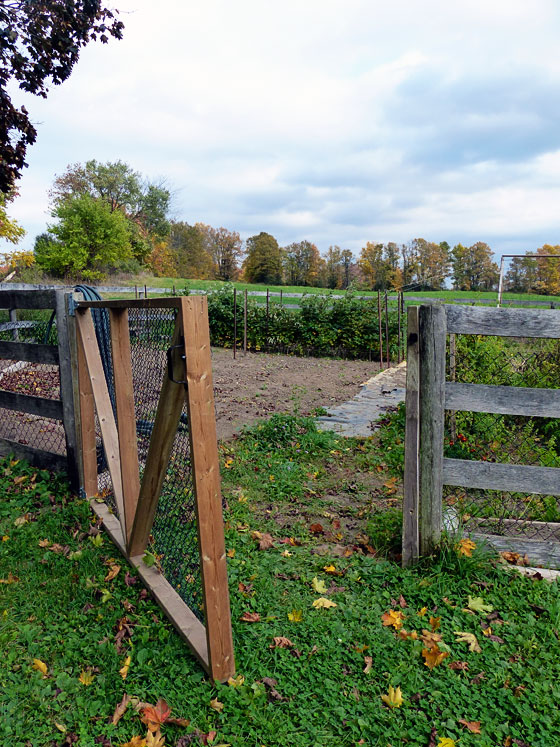
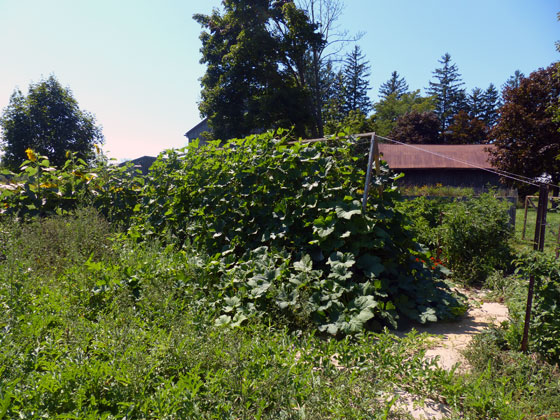
Vegetable garden in October 2016

Matt and I officially harvested everything last weekend. We have more clean-up yet to do, but I feel like I’m ready to look at what worked and what didn’t… or, more positively, what opportunities there are for next year.

Strengths

Soil – We have a great garden, and I can’t really take a lot of credit for it. Our soil is fabulous, and I’m doing everything I can to keep it healthy (see opportunities below).

Trellises – I’ve written about growing our raspberries, tomatoes and squash vertically. It totally worked. We got great yields in much less space than we would have without the trellises.

How to grow squash vertically

Watering – This was a very, very, very dry summer. I was very thankful for our well, so that we didn’t have to pay municipal water fees. We watered every other day–more than is recommended by most gardening how-tos–but I think it made the difference between losing most of our plants (which didn’t happen) and harvesting a very impressive crop (which did).

Crops – In terms of impressive, the key successes this year were peppers and beans, which last year did next to nothing. Two new crops–sunflowers and watermelon–were also great successes. The watermelon took forever to ripen, but finally made it thanks to the hot summer weather continuing well into fall.
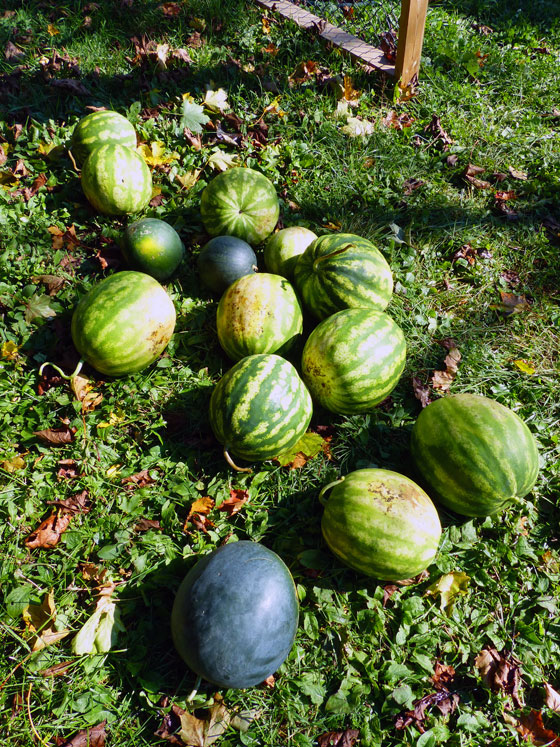
Watermelon harvest fall 2016

Our potatoes, tomatoes and zucchini were crazy prolific as usual, and the new versions we tried–ridiculously giant Sicilian Saucer tomatoes and Russian Blue potatoes–were fun additions.
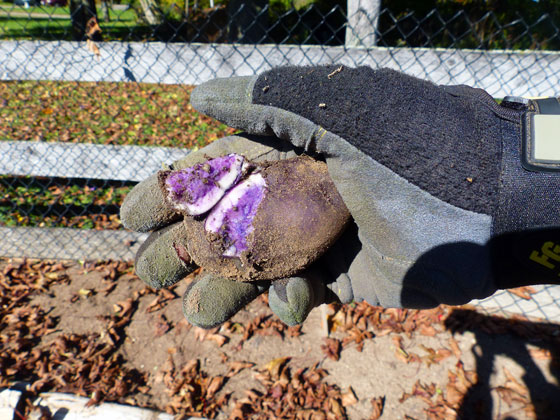
Russian blue potato

Opportunities

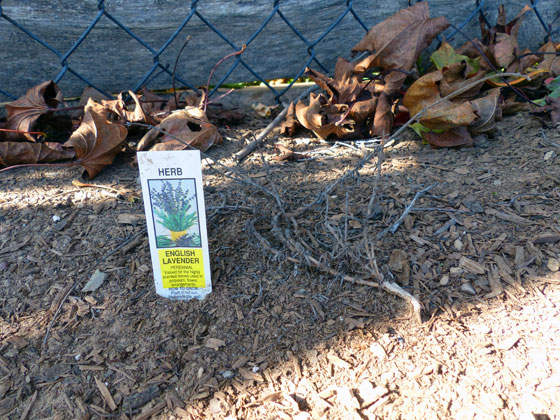
Raised beds – Argh the raised beds. I love having the perimeter beds in the garden, but the soil we bought for them was not good at all. Weeds didn’t even grow. The asparagus, hollyhocks and some of the herbs eventually got some traction, but it took all season. The carrots, beets and onions were nearly complete failures. Some of the herbs just shriveled up and died.
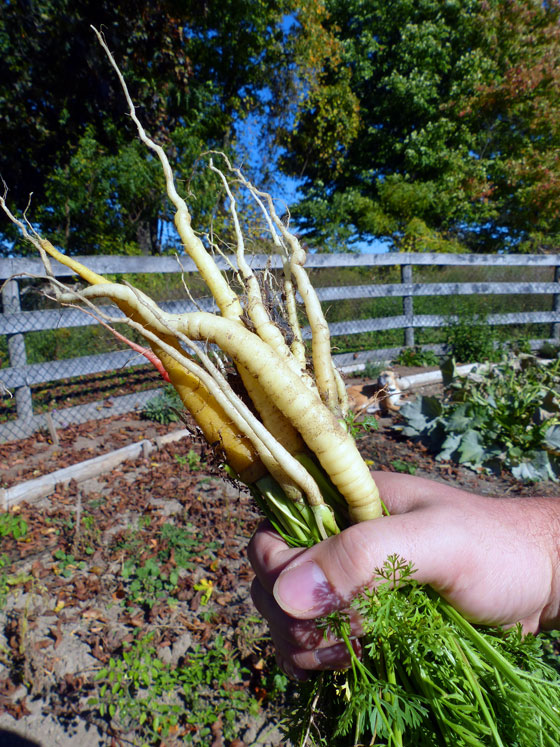
Pathetic carrots

Dead lavender plant

I’m not sure what we need to do to remedy this next year. The soil was triple mix which is supposed to include compost, peat moss and top soil. However, our triple mix is very sandy and seems to be deficient in nutrients. I’m thinking all kinds of compost and manure might revitalize it.

Black raspberries – My attempts to domesticate the wild black raspberries that grow elsewhere on the farm was also a big fat fail. These plants can only be described as brambles. They’re thorny and floppy–and when they flop over, they root themselves into the ground making a big tangled mess. I channeled Sleeping Beauty’s Prince Phillip and dug them all out last weekend. I’m looking forward to finding a new kind of berry to plant in their place next spring.

Weeds – One of the things I wanted to try this year was using a deep layer of straw as a mulch over the garden to smother the weeds. Matt and I brought an old abandoned bale of straw up to the garden, but I never got around to spreading it over the garden. We didn’t keep up with weeding by hand, so the garden was very, very weedy. The deep mulch method is still on my list for next year.

Weedy garden

Plant the whole garden – Our garden is big. Last year we planted just half, but this year we made it up to three quarters . I ended up mowing the weeds in the empty quadrant all summer. Not the best use of space. I’m hoping that we can use the whole garden next year.

Aspirations

Maintain the soil – I’m learning that gardening is about growing soil, more than growing plants. Last fall I added ash and manure to the whole garden. This year, I’m aiming for more manure and some compost–especially in the raised beds. I’m also trying a cover crop for the first time, seeding one quadrant with winter rye. Crop rotation is another consideration that I’m realizing takes lots of advance thought–as in years in advance.

Slow-growing crops – Asparagus and grapes were two additions to the garden this spring. Both are going to be long-term commitments, and I’m hoping that they make it through the winter and thrive next year.
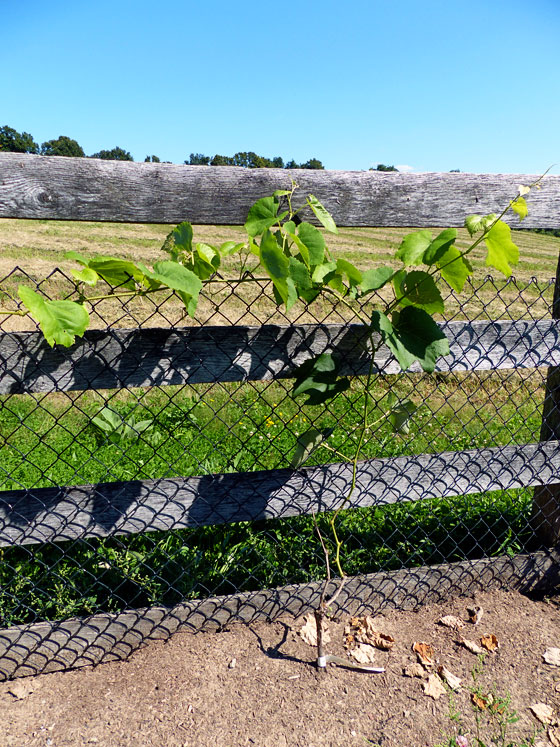
First year grape vines

New additions – I’m looking forward to adding more herbs to the raised beds and putting more thought into how they’re clumped around the perimeter of the garden. Another consideration is maybe a cutting garden, or at least dressing up the vegetables–and filling some of the vacant spaces–with a selection of flowers.

Results

Infrastructure – There’s another corporate, distinctly non-garden word for you. But I don’t know how else to describe the base structures that form the garden–and that as of this year are all done. Last year our big accomplishment was the fence. This year, we added the curbs, raised beds, trellises, gate and waterline. I’m looking forward to not “building” the garden next year and just planting it.

#Harvest16 – Once again, the garden was super, duper productive. We had more zucchini, tomatoes and watermelon than we could use–to the benefit of our families and co-workers. We’re hoping that our squash and potatoes last well into the winter. Any storage tips?
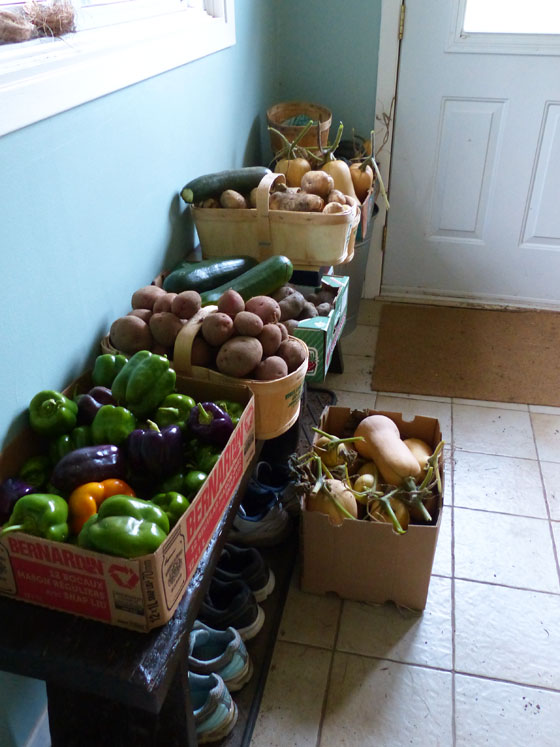
Garden harvest fall 2016

Preserving – I feel like growing your own garden soon leads to preserving your own food, and this year Matt and I dove in to canning. We pickled about 10 pounds of beans–I was skeptical, but they’re so good I can eat a jar on my own–and made nearly 12 litres of our own ketchup–Matt is a big user of ketchup and is very particular about his preferred brand… although he has now switched allegiances to our homemade version. We’ve also loaded up the freezer with beans, roasted tomatoes, grated zucchini and plan to add peppers.

I’m not quite ready to call this year’s garden completely done, but I am ready to call it a success. In fact, we have also fulfilled every single goal I had for the garden in my original Home Goals 2016 post. That’s an achievement.

How did your garden grow this year? Any tips for storing potatoes and squash? Or favourite recipes to share? Anyone have ideas for the soil in our raised beds?
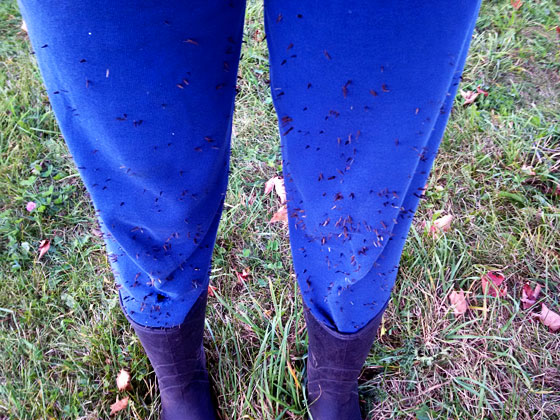
Prickly pants

Pants covered in prickles

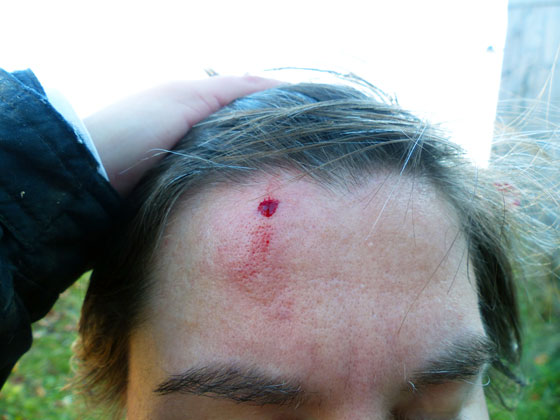
Our trails are a wee bit overgrown. After an evening hike with Baxter, I returned to the house and spent half an hour picking prickles off of my pants.

To be fair, I had ventured off trail for awhile when Baxter decided to choose his own adventure. (Did anyone read those books as a kid? I usually cheated and looked ahead to find what chapter I had to choose to get the good ending). However, half the prickles had already attached themselves to me before I left the path.

I asked Matt whether he thought a big strong man with a chainsaw might find his way out to the back woods. (Some trees are down too). He suggested a little strong woman could do it herself.

So much glamour and gallantry here on the farm.

Growing sunflower seeds

It’s been neat to watch the sunflowers go through their various stages of growth.

More than a month ago you saw the cheery blossoms.

A couple of weeks ago, the seeds started to come in. The spiky flowers in the centre of the blossom dropped off to reveal the tightly packed seeds.

Sunflower seeds

Sunflower seeds

It was about this time that the local wildlife seemed to discover the sunflowers.

I had hoped to get another photo this week, but the flowers have been nearly picked clean. Most of the seeds have been consumed.

The biggest culprits are the blue jays. Any time I walk past the garden, at least six jays erupt from the sunflower patch. We’ve also spotted chipmunks and squirrels.

So it appears that we may be buying bird seed again this year.


Happy fall from Illinois

Lots is happening in Illinois this fall. Sarah is here today with a whole bunch of updates–and some very exciting news.

Happy fall! I thought this week I would give you a review of what has been going on around here and a little sneak peek of what we are preparing for.

Harvest is in full swing here. Steve has been working long hours every day in the combine. It seems like every field on my drive to and from work is either already harvested or has farmers in it working hard.

The view from our house is opening up since we have fields on all four sides. But I have to admit; with or without crops our view isn’t too bad.

The chickens are doing great. They have become very comfortable here.

Maybe just a little too comfortable.

I can pretty much count on getting two eggs a day from them.

From everything I have read, four chickens should average about three eggs a day. So I think they still have some room from improvement. We have been catching grasshoppers from the fields for them and they have learned who brings them the treats. They follow us around the yard all of the time.

One project that we are currently working on is building a garage inside of our pole barn. I have decided to do one large recap of that when we finish, but here is a hint of what we have been working on including pouring a concrete slab for the floor.

And finally, if you follow me on Instagram you already know the most exciting news: we are adding four legs to our family. I will give him a formal introduction once he joins us, but here is my first picture with him on the day I picked him from the litter.

Our house is about to get a whole lot busier.

What does fall look like at your house? What crops grow in your area? Any suggestions on introducing the new puppy to the chickens?

Aaah! That is very exciting, Sarah. New chickens and new puppy all in one year. You’re more ambitious than me. As cute as that fluff ball is, I think I’m most jealous of your fresh eggs and your new garage.

How to grow squash vertically

Last year, our squash took over the garden. Fully half of our nearly 2,500 square foot garden was completely covered in squash vines.

We loved the squash that we harvested, and we knew we were definitely growing squash again. However, we knew that we weren’t willing to give up that much of the garden this year.

My plan to corral the squash was first to plant less. No matter how much we like squash, we cannot eat nearly 40 butternuts and about 70 acorns (last year’s harvest).

Wheelbarrow full of acorn squash, butternut squash and pumpkins

The second part of the plan was to coax it up, rather than across. Up was a theme of our garden all this season. I’ve already shared how our raspberries and tomatoes are growing vertically. Now it’s time for the report on our final vertical experiment.

And this truly was an experiment. We were growing acorn and butternut squash. They weren’t small and lightweight. I wasn’t sure whether the vines would be strong enough to support the hanging fruit.

Back in the spring, I built a large A-frame. It was about 8 feet tall and 16 feet long.

A-frame squash trellis

We used 2x3s for the As with plywood at the peaks for extra stability. The top ridge is two 2x2s. Each A is screwed into stakes that are hammered into the ground. We spread wire fencing across each side and attached it to the wood with big staples. Just for extra stability, we tied each end of the trellis to the fence so that it couldn’t fall over.

How to grow squash vertically

With the A frame in place, I planted (half) our squash seeds under the trellis.

Squash seedlings

As the plants grew, I tucked the vines into the mesh. The vines were a bit fragile and bruised or even snapped easily. I learned it was important to not let the plants get away from me. I had to be diligent about training them up the trellis before they grew too big. Fortunately, the squash seemed to recover quickly from any of the damage I inflicted.

Squash growing up an A-frame trellis

Just like last year, though, the squash took over. Thankfully, this year it took over in the right direction–up. Soon, the whole A frame was completely covered.

squashtrellis7

The plants blossomed and set fruit. And I crossed my fingers that the fruit would stay on the vines long enough to ripen.

We’re nearing the end of the season now, and I’m happy to report that things are looking really good. The leaves are starting to die off, so you can see just how good for yourself. Behold, the squash.

How to grow squash vertically

Yup. Once again, we have a whole lotta squash. And they’re big ‘uns. Oy vey.

How to grow squash vertically

The butternuts are phenomenal. The acorns are more iffy. But I’m not sure that I can blame the trellis.

First, we don’t have quite as many acorns as I was expecting. The butternuts definitely have them beat for quantity.

Second, the acorns aren’t exactly all acorns. They come in a few different shapes. Any ideas what would make them grow so differently?

Elongated acorn squash

Mishapen acron squash

Despite some mutants, I’m calling the vertical squash growing experiment a success. It’s definitely a method we’ll be using again.

Have you done any experiments in your garden this year? Have you tried vertical gardening? What’s your favourite type of squash? Any tips for storing the squash or recipes to share?

Save

Save

Save

Save

Save

Making more ‘mums

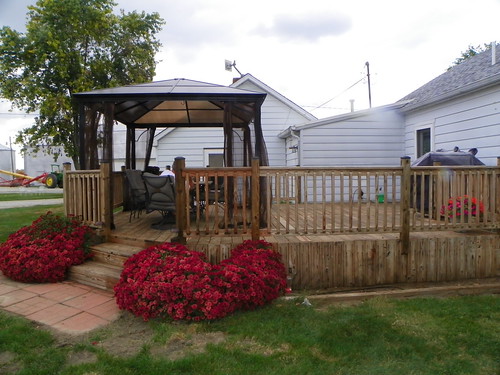
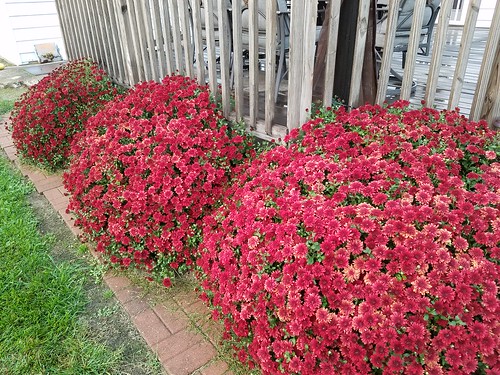
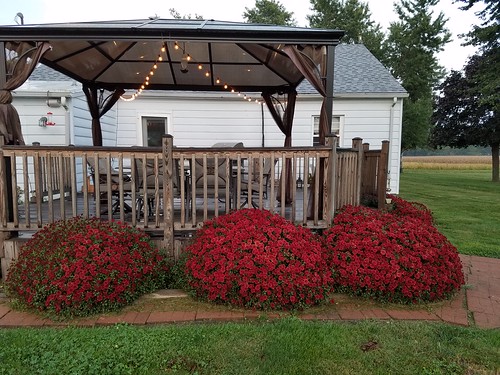
Almost exactly a year ago Sarah in Illinois wrote a post about sealing her deck, and she included a photo of the very impressive chrysanthemums that were growing on either side of the deck stairs. A year later, they’re even more impressive–and they’ve multiplied. Read on to learn about how Sarah successfully split her mums.

Last fall I shared a picture of my mums. I was really proud of them. They were so full and added so much color to our deck.

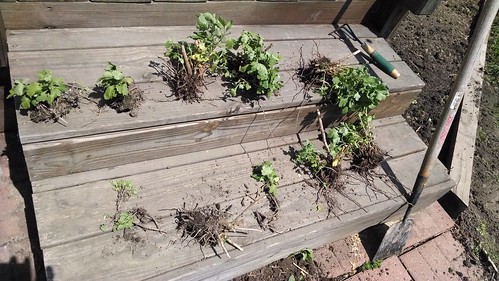
Then this spring Julia and I had a garden challenge. One of the projects I checked off my list was to divide my mums.

I simply dug them up out of the ground, divided them into a few same-sized clumps and planted them back into the ground around our deck.

That is it. That is all I did.

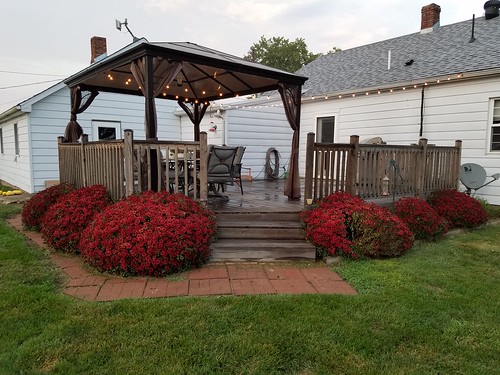
Then this is what happened.

I know. I am as impressed as you are.

I have had neighbors stop and ask me what my secret is. But all I can say is, I watered them for the first week or two after I transplanted them. That’s it. No fertilizer. No secret concoction. I didn’t trim them back or even sing to them! I just sat back and let them go.

That’s my kind of gardening.

Holy chrysanthemums, Sarah! Those are gorgeous. I’ve heard that some plants do better after splitting, and this seems to definitely be the case for your mums. My frugal heart also loves that you now have six huge plants and didn’t have to spend any extra money.

Done and done – Fall to-do list final report

The date on the calendar says Dec. 21–also known as the first day of winter.

And the photo below says that Matt and I have crossed off the last item on my fall to-do list–replacing the filters in our water system.

Reverse osmosis system filters

Our first year at the farm, we had our water contractor do the annual service for us. We’ve since learned that this is a job we can easily tackle ourselves.

As we were changing the filters, we talked about adding a task to the get-it-done-before-winter to-do list: putting the snowblower on the tractor.

Temperatures are still super mild here, so we could avoid freezing our fingers as we connect the blower. But temperatures are still super mild. Will we even need the snowblower? (Ha-ha. I think that’s a bit optimistic for winter in southern Ontario).

Final determination? We’re going to risk it and stay blower-less for now.

Matt has plans to clear some of the deadfall in the back forest before the end of the year, so being able to put the trailer on the back of the tractor would be very helpful.

It may be winter, the fall to-do list may be done, but work at the farm continues.

How did you do getting ready for winter? Do you have a job that you learned isn’t as difficult as you thought at first? What’s still on your to-do list between now and the end of the year?

Waiting for ice to arrive

We’re two weeks away from New Year’s Day. Every year that we’ve been at the farm, I’ve been able to go skating on the pond on New Year’s.

Unless we get a serious cold snap for Christmas, I don’t think skating’s going to be on the activity list.

The surface of the pond is more about reflections these days than it is about ice.

Pond on a foggy fall afternoon

The water is trickling in the creek.

Creek running over mossy stones

The deer paths around the shore are very, very squishy–not even close to frozen–mud.

Muddy deer trail

The reeds are still green.

Green reeds in the pond

A thirsty puppy even has a place to get a drink.

Baxter drinking from the creek

2016 is coming no matter what. Skating? I’m not so sure.

What’s the weather like where you are? How are you planning to celebrate New Year’s? Do you have any traditions you’re looking forward to?