Gotcha Day 4

Baxter hiking on a boardwalk through the marsh

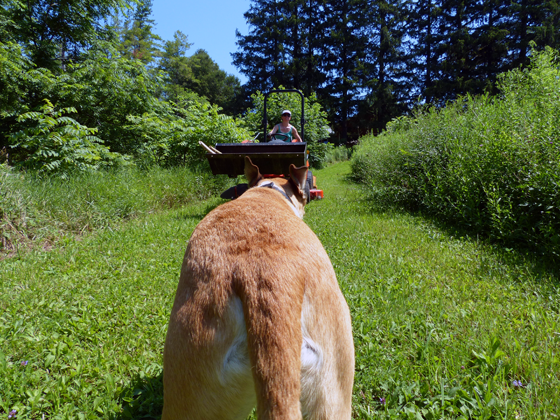
I haven’t written as much about Baxter on this blog since I started writing for ThatMutt.com. But Mr. B is still our favourite dude and a huge part of life at the farm.

I love that he’s by my side as I work on projects or walk over the property. And I love that he’s opened up other opportunities for me, like writing for ThatMutt.com, or connecting with our off leash hiking group.

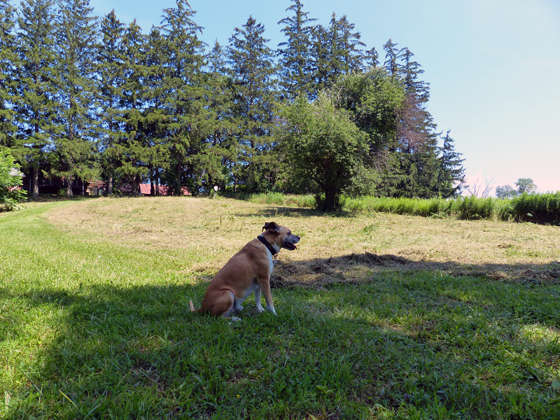
Baxter came to live with us July 7, 2013, so last week was his fourth gotcha anniversary.

I’m keeping up my annual tradition of writing a letter to Baxter (inspired by Tracey at love lives on). It’s posted at ThatMutt.com.

Here are my letters from year 1, year 2 , year 3 and Baxter’s adoption story.

Home Goals 2017 mid-year report

Hello July. Holy moly we’re already halfway through the year.

Halfway through the year means it’s time to take a look at how we’re doing on Home Goals 2017.

July also means summer vacation. I’m going to be taking a brief blogging break this week in favour of spending some time working on more of these Home Goals.

Office

The first room makeover of the year and the last bedroom to be redone. In case it’s not clear from all of the posts I’ve done about this room–including last week’s video tour–I’m loving this room.

China cabinet storage in the office

Pond shore

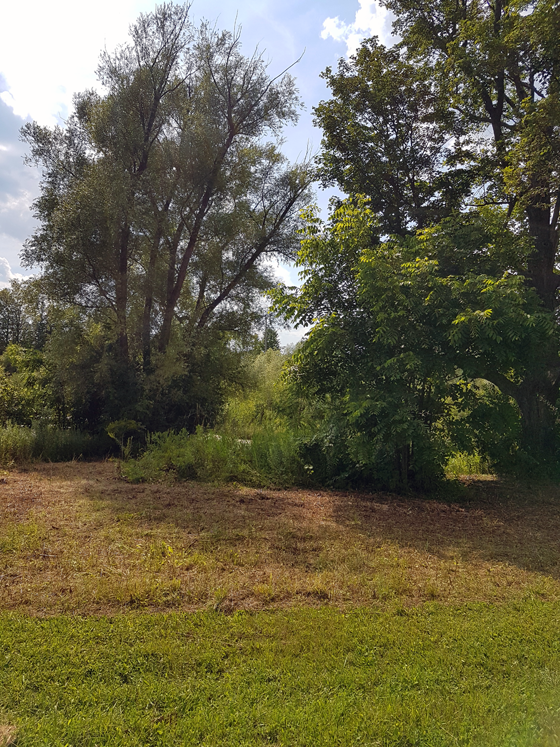
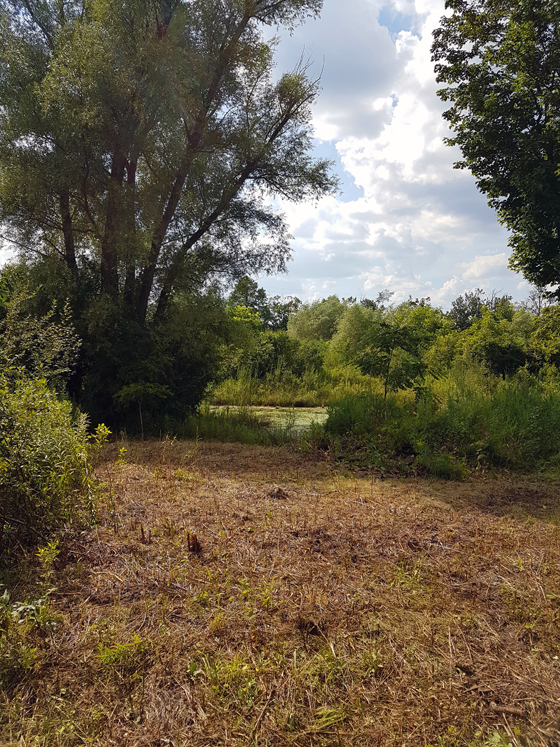
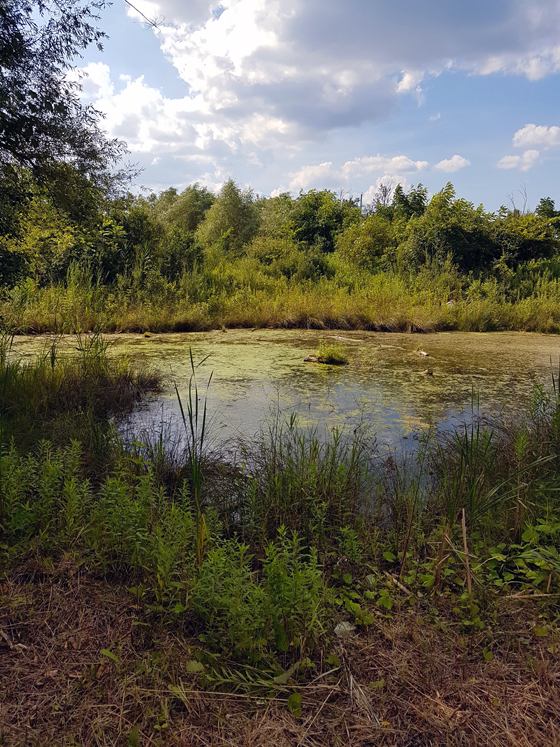
The pond shore was my one and only property clean-up goal this spring. However, between time, weather and then a broken arm, it didn’t happen. Argh. Expect to see this on the 2018 home goals list.

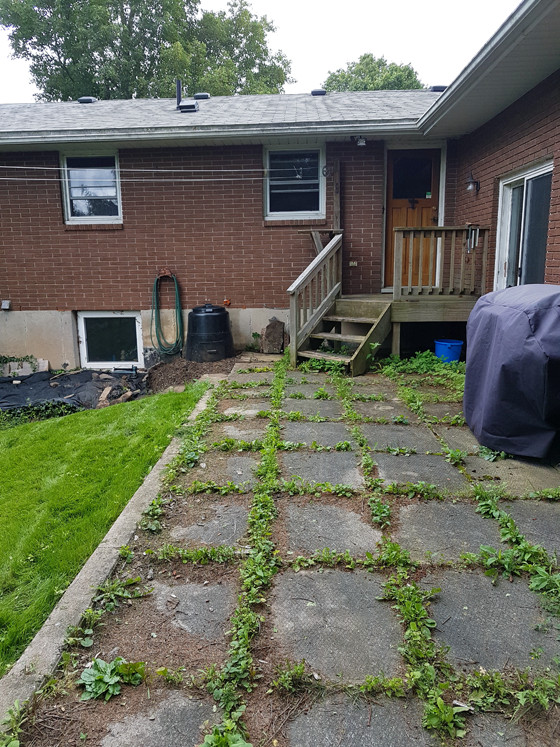
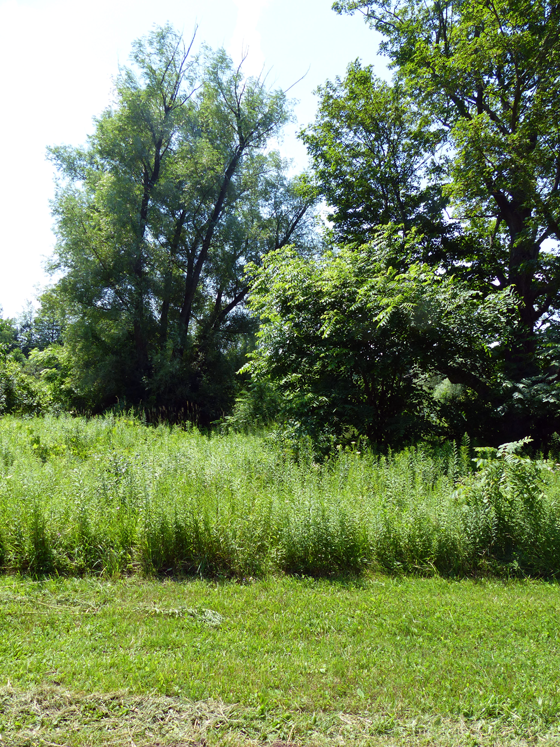
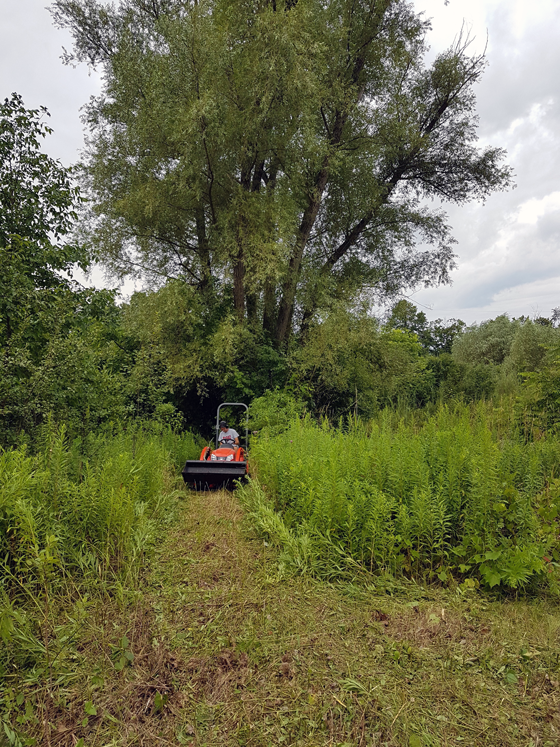
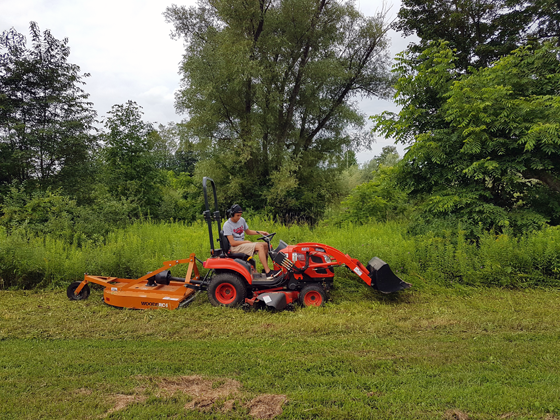
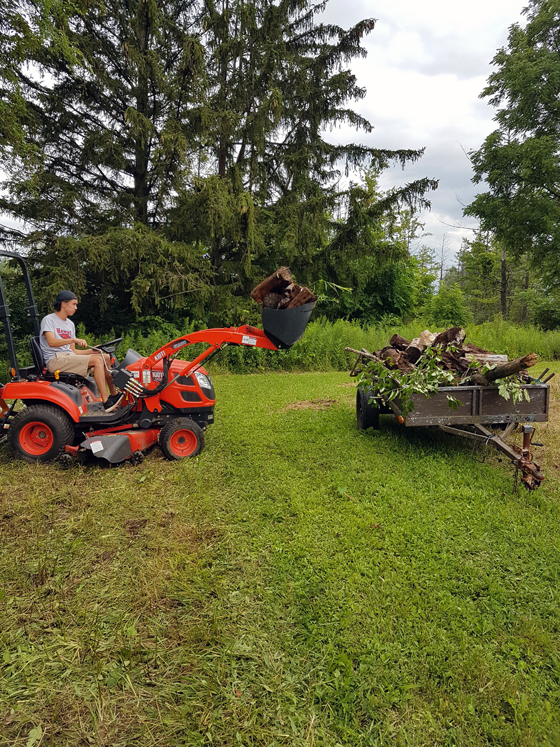
Instead of the pond shore, we tackled some other property clean-up. Matt and I burned an overgrown area behind the driveshed–but then I never cleared the rocks that we uncovered, so we haven’t been able to mow it, and it’s almost as overgrown as usual now. I’ve ever so slowly been tackling the jungle behind the house. So property clean-up hasn’t been a total skip this year. It just hasn’t been focused in the area I had hoped.

Cleaning up brush with fire

Vegetable Garden

The vegetable garden is off to a slow start, but a good one. The new blueberries, blackberries and grapes that I added are all doing well. The year-old grapes even seem to have recovered from their infestation.

I’m later than I would like on planting, so everything is pretty small still. Plus, so far I haven’t had any luck finding straw for our deep mulch experiment, so the battle against the weeds is being waged by hand. But between me and weeds, we’re even. I can’t say they’re winning yet, so I’m counting that as a win for me.

Weedy potatoes

Flower gardens

The flower gardens have been getting a bit more attention this year than they did last year. As a result, they’re–surprise, surprise–looking better than they did last year. The peonies were stunning, and we’re moving on to lily season.

I’ve added a couple of new plants–an astilbe and a white lilac–which will bring more blooms to our very green beds. Everything needs a good haircut–deadheading the spent blossoms and shaping up some of the very bushy bushes–so that’s the next to-do on the list.

Pink peony

Basement

I was really excited to share the basement TV area a little while ago. There are two more spaces in the basement that I’m hoping to show to you before the year’s out. They just need some art, some styling and a major tidy. Organizing the basement is tops on Matt’s list for the summer, so between the two of us, we may finish the rest of this space yet.

Basement TV area

New barn cat

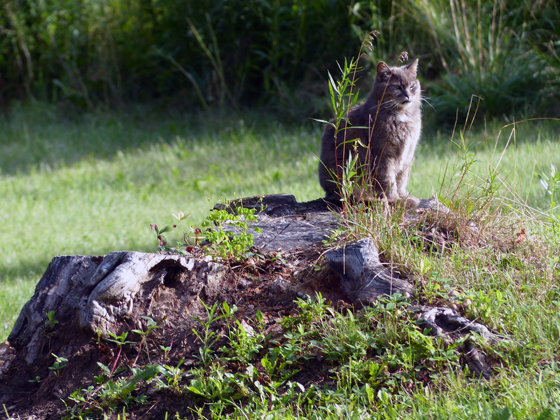
We’ve decided that the best thing for Ralph for now is for her to continue to enjoy her days in peace and relative solitude. Our best girl is queen of the farm and doesn’t need a sidekick. So we will continue to be a one barncat farm for the foreseeable future.

Our barncat Ralph

Coop

This final task is a new addition for this year’s Home Goals courtesy of Matt. He is determined to have some hens to eat ticks next year, so that means we’re taking down the old coop and building a new one. I have lots of ideas about how to build the coop, but I haven’t entirely worked out all of the details of this project. I expect this one will take a little while. I guess I know what we’re doing this summer.

Old chicken coop

In fact, we’re getting a little start on the coop this week. With my few days off work, and Matt now on summer holidays, there will be gardening, weeding, organizing, cooping and cat scratching. Somewhere in there, there may be some relaxing too.

As part of my holiday, I’m taking the rest of the week off the blog too. I’ll be back next week with more news from the farm.

How are you doing on your projects so far this year?

Canada 150 years and more

Canada 150 flag

This year is a special one for Canada. Tomorrow, the country officially turns 150 years old.
Canada Day is always a special occasion, and I enjoy celebrating it every year. This year, I’ve been thinking about it a little differently.

Over the past year, I’ve had opportunity to hear presentations by two Indigenous leaders, Senator Murray Sinclair, Chair of the Truth and Reconciliation Commission, and Roberta Jamieson, the first woman elected Chief of the Six Nations of the Grand River Territory. I’ve listened to a thanksgiving blessing and watched an honour song performance.

As I listened to these two impressive people and experienced these other special moments, I’ve learned and I’ve been thinking about Canada’s history. I am starting to understand more of the experiences of First Nations’ peoples and I have begun to think about my role in reconciliation with Indigenous people.

Roberta Jamieson highlighted that while the Dominion of Canada is 150 years old, our country has a long history that pre-dates 1867. As we celebrate 150 years, we can also remember and acknowledge this history.

I know very little about the history of the farm or the Indigenous history of this area, but there obviously is a history that extends beyond Confederation and much, much earlier.

Four years ago, we planted this little maple tree on the turnaround. My hope is that it stands for many years and one day grows as big as the large maple behind it.

Canada 150 flag

Roberta Jamieson said that the Six Nations’ philosophy is to take responsibility for their great-grandchildren’s great-grandchildren–seven generations into the future.

We are just a small moment in the life of this farm, this small part of Canada. I hope that we can do right by the generations–seven and more–that come after us.

Happy Canada Day to my fellow Canadians. And to my American readers who are celebrating next week, Happy Independence Day.

How to feed hummingbirds

Hummingbirds are magical little birds. We see them occasionally around the farm, and the farm came with several hummingbird feeders that are tucked away in the driveshed, but we’ve never filled them. I feel like it may be time to change that given Sarah’s experience with her hummingbirds in Illinois.

Like Julia, I like to take care of the birds that stop by in our yard. However, I tend to cater to the hummingbirds. I am guessing I got my love of hummingbirds from my Grandma. She loves all kinds of birds especially hummingbirds and has all kinds of bird feeders in her yard.

She has always told me little facts about hummingbirds, such as did you know when a hummingbird travels south for the winter it flies across the Gulf of Mexico? That’s over 500 miles non-stop. It is also thought that a hummingbird may travel the same route each year. So the hummingbirds you see in your yard could very well be the same ones that visited last year.

The most common hummingbird I see at our house is the Ruby-Throated Hummingbird.

The females are light greenish/grayish and white.

And the males are green with a bright red throat.

You can buy pre-made hummingbird nectar but I much rather make my own. It is easy to make and I know there are no chemicals in it.

Hummingbird Nectar

4 parts water
1 part white sugar

Boil water and sugar until just dissolved then let cool.

That it. It’s so simple. I usually make about two quarts (8 cups water and 2 cups sugar) at a time and put the extra in the refrigerator. Having it ready to go makes it really easy to refill when needed (which right now is daily).

It has been tradition for a long time to add red food colouring to the syrup. This is not needed and usually not recommended because there is some concern that the food colouring is unsafe for the hummingbirds. Most hummingbird feeders have red on them anyway, and I never have any problem with my hummingbirds finding my feeders with clear syrup.

I try to put my feeder out around the middle of April. I have kept track the past two years of when I spot my first hummingbird of the season. In 2016 it was April 25 and this year it was May 3. So I try to make sure I have food ready for them when they get here.

I leave the feeders out until the first chance of the syrup freezing. I have read that occasionally a bird will be injured or sick and stay behind a little longer than the others so it is a good idea to leave some food out for them.

That is all it takes to just sit back and enjoy them. They are really active around 7am at my house but by far the best time to watch them is from 7-8pm. They put on quite a show fighting over the feeder. Then just about dark they quiet down and head, I assume, back to their nests.

What type of birds do you feed? Do you have any hummingbirds at your house? Have you seen any other hummingbirds than the Ruby-Throated?

Those are amazing pictures, Sarah. We used to have a huge Rose of Sharon that attracted all kinds of hummingbirds. I think they were mostly Ruby-Throated, if I’m remembering accurately. It died a few winters ago, and we haven’t seen as many hummingbirds since. I feel like I should put up a few feeders, and they might come back.

Office befores and afters, plus a video tour

I’m loving my newly decorated office so much. There has been sewing, crafting and working–it’s such a fun inspiring space. Even better, everything is still tidy and organized. I’ve been wanting to do a video tour for a little while, so I thought the office would be a good place to start.

Usually in my room makeovers I post a before and after. However, the office was such a blank slate that the before is pretty basic and blah. As well, I didn’t make any major changes so the layout–the window, the doors, the closet–are all the same. Comparing a before and after doesn’t seem very dramatic in my opinion.

Office before

Office after

However, there were befores and afters for some of the elements in the room, so I thought today I’d share some of those as well as the video.

The nook

The video tour gives you a good look at the weird little nook just inside the office doorway. This spot’s makeover started a few years ago when I removed the weirdly high shelving, built a little dresser and hung a bulletin board. What could have been a really awkward part of the office has become a really functional command centre.

Nook before

Office command centre

Little dresser

The search for furniture that fit the little nook was long and challenging. I wanted something tall, but it had to be narrow and not too deep. Plus, as usual, it had to be cheap. I ended up finding a pair of nightstands that fit the space perfectly. And when stacked on top of each other, they made a tall narrow dresser that holds everything from tools to notepads.

Two vintage night stands

Tall narrow dresser

Desk

I’m going waaaaay back in the archives for this before picture. This was what the office looked like when we first bought the farm. The green desk (along with a lot of trash) was left by the previous owners, and I drafted it into serving as my sewing desk. When it came time to makeover the office, it was more than time to makeover the desk too. With fresh white paint, rich dark stain on the top and sparkly hardware on the drawers, it’s become a bright, feminine piece of furniture.

Messy office with green desk

Sewing desk

China cabinet

The hardest working piece of furniture in the office is the china cabinet. It holds so much stuff while keeping it all nicely organized and allowing space for display.

Vintage china cabinet

China cabinet makeover

Slipper chair

The slipper chair was the most complex reupholstery project I’ve tackled. I love that I’ve been able to give this family heirloom a new life in our home.

Reupholstering a slipper chair

Slipper chair upholstered in Brissac Jewel by P Kaufmann Fabric

The office ended up taking awhile–five years since we moved to the farm. I tackled little projects here and there before finally diving into the big makeover at the start of this year. I’m so happy that everything has finally come together in one finished, functional and pretty space.

Maintaining not building

Matt and I tilling the garden

Spring is a mad dash around the farm. There’s winter clean up, like picking up branches, and there’s summer prep, like putting the mower on the tractor. And before we know it, we’re weeding gardens, cutting grass and deep in the routine of outside work. I have this feeling that if I don’t get the gardens, lawn, trees, flowers, patio, barn, tractor, equipment, what-have-you set up right now, I’ll be behind all year.

However, this year it’s been feeling a wee bit different. It’s almost calmer. Almost.

For the first time, I feel a bit like we’re maintaining, rather than building.

Our first five years at the farm have been about so much work–reclaiming the overgrown property, establishing flowerbeds, making the vegetable garden. There are still pieces of that, but I feel a bit like the main parts are in place, and the way we work on the property is a bit more normal.

Overgrown flower garden

Cleared garden

Garden in bloom in June

I do have one big “building” project on my Home Goals list: clear the pond shore. When Matt broke his arm last month, we had to re-evaluate what we were going to be able to do this year. So the pond shore has been deferred. As the brush is already quite overgrown, I’m thinking it may be easiest to wait until next spring when it’s all died off again.

But good news, Matt gets his cast off today. And ready or not, summer has arrived.

It’s an ongoing battle to keep the farm somewhat civilized, but through a lot of work we’re in decent shape this year.

How’s spring going for you? How do you handle property maintenance at your house?

Baby robins spreading their wings

Baby robins in a nest

A few weeks ago, a mama robin moved into one of the old nests on the driveshed. Last week, I noticed a few tiny mouths stretching up over the edge of the nest.

On Sunday, Mama and Daddy were trying to convince the babies it was time to leave the nest. One tried to tempt them with some food.

Robin with a worm in its mouth

But the babies did not agree it was time to fly on their own.

Baby robins

Every so often, the parents would discuss their problem children.

Pair of robins

One flew down to the ground to try a different angle. Of course, Ralph noticed. That led to a discussion between Ralph and me.

The babies stayed high on the rail at the driveshed–even though I convinced Ralph to move on.

Baby robins

I didn’t see the babies finally take flight. I hope that they found their way safely. I enjoy all of the different animals who call the farm home. New babies are extra special.

What’s eating all my grapes?

Grape leaves eaten by bugs

In case it’s not clear, I’m pretty much winging it when it comes to our grapevines. So I was thrilled to have the opportunity to talk with Brian Schmidt of Vineland Estates. Brian and the Vineland team have 118 acres of vineyards in Niagara.

Way more than our dozen vines.

Brian was extremely generous in answering my questions and talking me through how to care for our vines. He gave me a great confidence boost.

My main question was whether to pinch off any fruit this year so that the vines can focus on growing big and strong. Brian’s advice was that the key to long-term success is to not overburden the vines in their youth. So these baby grapes will be picked this weekend.


Baby grapes

Brian also gave me advice on pruning, trellising and pest control.

Pests are the one issue that’s arisen with our vines this spring. Some little worms are eating the leaves on our second year vines (the ones we planted last spring). The Lakemonts, which are brand new as of a few weeks ago, have too few leaves to be a target yet.

Little worms eating grape leaves

Our leafiest vines have been very hard hit.

Grape leaves eaten by bugs

Brian’s advice was to give our vines a case of dandruff. Not really. He was much more professional than that. He suggested diatomaceous earth. I’ve heard of DE before, but didn’t know much about it. DE is a powder made from “the fossilized remains of marine phytoplankton.” Brian described it as “eating glass” for bugs. Lovely image, but sorry bugs.

The nice thing about DE is that it’s safe for humans to eat, unlike many chemical pesticides.

I sprinkled it all over the vines last weekend.

Diatomaceous Earth on grape leaves

So far, the DE doesn’t seem to be doing the trick. In fact, there are more worms than ever. From the little bit of research I’ve done on DE, it sounds like it might be more for bugs with hard outer shells and more of a topical than an ingestible. The worms are pretty soft-shelled. They’re very easily crushed when I pinch them–which may be the solution I resort to.

I’ve given the vines a second dusting of DE, and I’m hoping that this might be enough to stop the infestation. I’d really appreciate any ideas you have. Anyone know what these pests are and how to get rid of them? Should I just be patient with the DE?

Connecting with like-minded folk in Illinois

Since starting our own journey in country living, I’ve realized that there are lots of people following a similar path, but each of us are doing it in our own way. Gardening, animals, permaculture, homesteading–everybody tackles things slightly differently.

There is a lot of information online or in books to help you learn how to do things and what works for you. However, sometimes it’s really nice to talk to people in person and learn from their experience first hand. Sarah in Illinois has found a group of like-minded family and friends who are doing just that.

Last fall a few family members and friends decided to start a small group with the common interest in gardening and homesteading. We had a very informal “meeting” where a few people shared areas that they had interest and knowledge in.

We discussed that when selecting a seed you may see words like open-pollinated, heirloom, hybrid, organic or non-GMO and what those words mean. We learned that if you plan to save some seeds from the crop that you plant this year, you must select an heirloom variety. A couple people brought extra seed catalogs that they had, and we talked about the suppliers that we have had good luck from in the past.

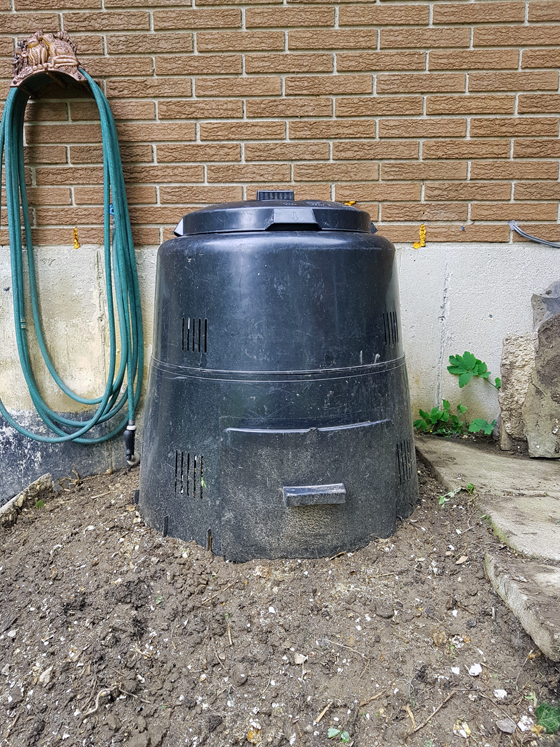
We talked about composting and that it is important to get a good mix of “green” and “brown” ingredients. We also looked over a list of things that you should never add to a compost pile such as meat, bones, pet waste, fats and dairy.

Another cousin brought up the topic of what you should plant and how much. She suggested making a list of, on average, what your family actually eats in a year. Then you can use this list to decide what you will use and also not overplant so that you don’t waste food.

She also gave us a list of books that she has used that she thought may be of interest (not affiliate links):

We ended the evening with a short demonstration on how to make your own yogurt, and a friend brought some for us to sample.

We joke that we are kind of nerdy, but when it is a topic that you are truly interested in, I don’t think you can get too much information.

Then we created a private Facebook group where we could share tips, pictures, successes and failures.

This week someone took a video tour of their garden, and we were all so excited to see it that several of us made tours of our own gardens. We all live in about a 30 mile radius, but this allowed everyone to view the gardens when they had time and it was very convenient.

It was so interesting to see the different crops, different sizes of gardens, different methods for weed control and really just about every aspect of gardening and small farm animal production. (My cousin has 11 goats!)

My tour ended up being 21 minutes long. I toured the fruit trees, the garden, the grape vines, my chickens, my compost pile and my herb garden. And I also rambled quite a bit.

I am going to put a few short clips on my Instagram so that you can view them.

As much as I have learned from my parents and in-laws on gardening, I feel like I have so much more to learn. But each year I have a better understanding, better results and a deeper love of growing my own.

Do you belong to a formal or informal gardening group? What areas of gardening do you want to learn about? Have you ever made a garden tour video?

If you’re nerdy, Sarah, I’m right there with you. This sounds like a really inspiring group to be part of. Country living is a constant learning experience, in my opinion. It’s great that your family and friends have come together in this was to share their experiences.